
What is Systems Art?
- Show All
- Established
- Discoveries
- Show All
Artworks Related to Systems Art

Sol LeWitt
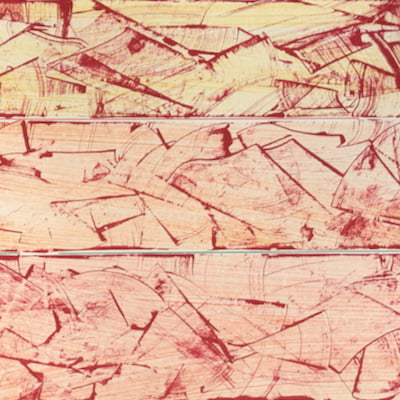
Untitled (From The Edge of Awareness), 1998
Limited Edition Print
Screen-print
USD 2,000

Frank Stella
Had Gadya: Front Cover, from Illustrations after El Lissitzky's Had Gadya, 1984
Limited Edition Print
Collage
USD 19,850

Sol LeWitt
Cubes in Color on Color (Yellow/Purple), 2003
Limited Edition Print
Linocut
Currently Not Available

Donald Judd
A Group of 4 Aquatints 1, 1978-79
Limited Edition Print
Aquatint
Currently Not Available
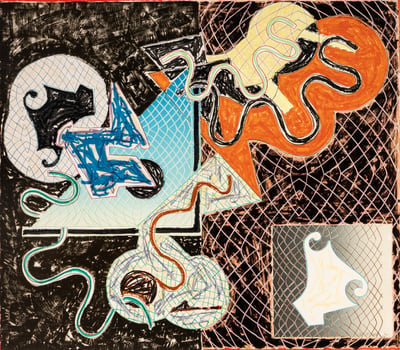
Frank Stella
Shards Variant IVa, 1982
Limited Edition Print
Mixed Media
Inquire For Price
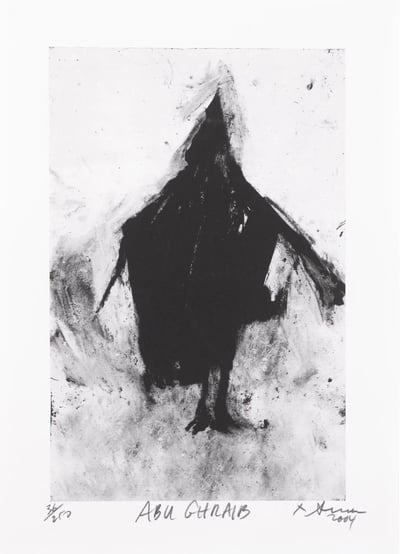
Richard Serra
Abu Ghraib, 2004
Limited Edition Print
Lithograph
Inquire For Price
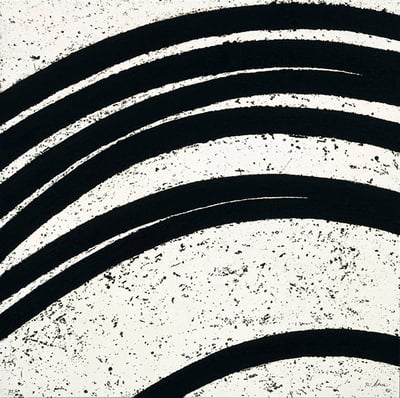
Richard Serra
Between the Torus and the Sphere III, 2006
Limited Edition Print
Etching
EUR 20,000 - 30,000

Richard Serra
Between the Torus and the Sphere IV, 2006
Limited Edition Print
Etching
EUR 20,000 - 30,000
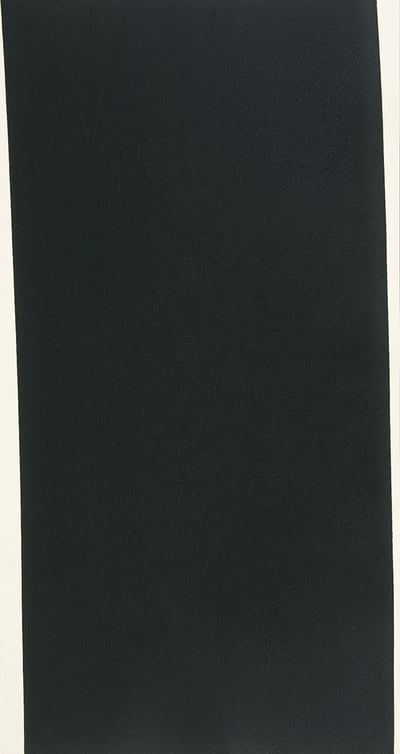
Richard Serra
Transversal #4, 2004
Limited Edition Print
Etching
EUR 35,000 - 50,000

Frank Stella
Gran Cairo (from multicolored squares), 1970
Limited Edition Print
Lithograph
Currently Not Available

Frank Stella
Moultonville, 1974
Limited Edition Print
Mixed Media
USD 7,625
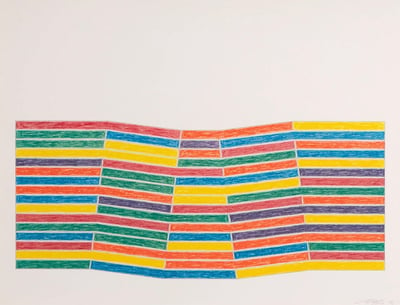
Frank Stella
Furg, 1975
Limited Edition Print
Mixed Media
Currently Not Available

Frank Stella
Noguchi's Okinawa Woodpecker, 1977
Limited Edition Print
Mixed Media
Inquire For Price
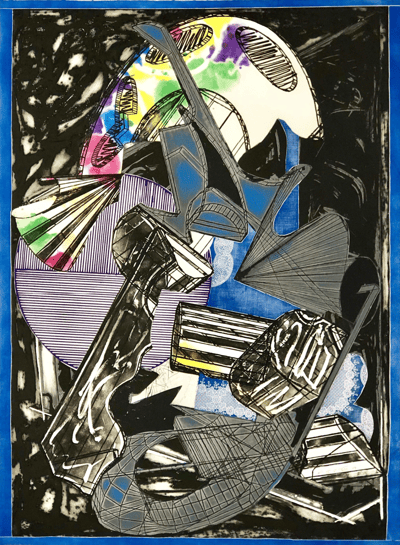
Frank Stella
Giuf à e la berretta rossa, 1989
Limited Edition Print
Mixed Media
USD 28,750

Frank Stella
Pergusa Three Double, 1984
Limited Edition Print
Mixed Media
USD 50,000 - 60,000
Frank Stella
Private Listing
Drawing / Watercolor
Related Articles
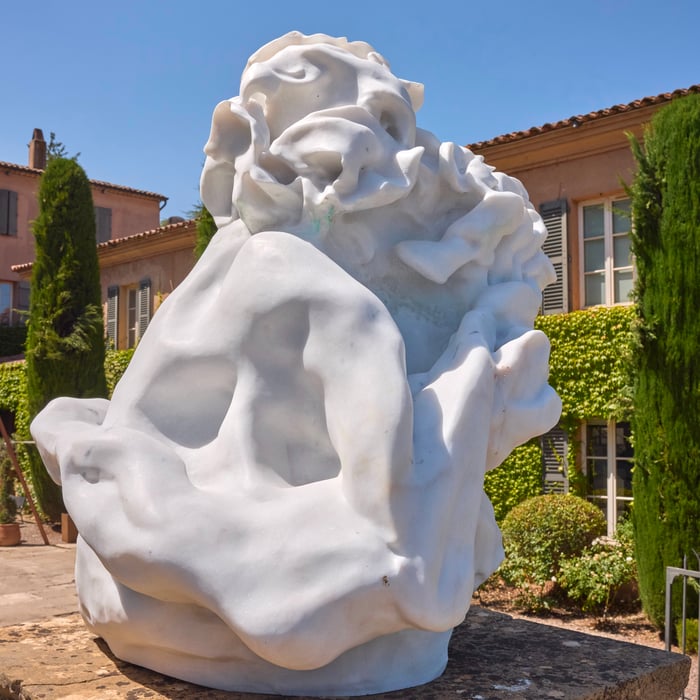

Acrylic on canvas is a technique where acrylic paint is applied to a canvas surface using tools like brushes and palette knives. Acrylic paint is a synthetic medium made from liquid plastic, which can be thinned with water and dries quickly when exposed to air. This fast-drying quality makes it versatile for layering and various painting techniques.

Geometric abstraction is a form of abstract art that uses geometric shapes arranged in a non-illusionistic space (though not always) and combined into non-representational (non-objective) compositions. Based on years of artistic research, some artists have proposed that geometric abstraction offers a solution to modern challenges by rejecting traditional illusionistic practices in favor of clarity and simplicity.

Embossing is a technique used to create raised designs or images on a surface, typically paper. Artists achieve this effect by altering the shape of the paper, often by pressing it from the reverse side using a template and a tool like a sanded dowel. The result is a design with multiple levels of depth, giving a three-dimensional appearance.
Can't find your Answer?
Thank you! Your question has been sent — we'll get back to you shortly.
