
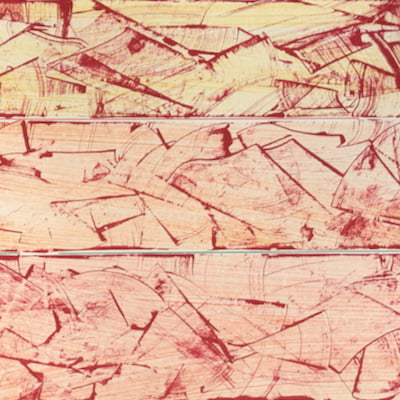
What is Systems Art?
- Show All
- Established
- Discoveries
- Show All
Artworks Related to Systems Art

Jean Tinguely
Fontaine Joe Syffert from Eight by Eight, 1984
Limited Edition Print
Screen-print
USD 1,300

Bruce Nauman
Life fly Lifes Flies from the portfolio of Leo Castelli's 90th Birthday, 1997
Limited Edition Print
Etching
USD 3,750
Frank Stella
Private Listing
Sculpture / Object

Frank Stella
Union (from Eccentric Polygons), 1974
Limited Edition Print
Mixed Media
USD 9,500

Frank Stella
Sanbornville, 1974
Limited Edition Print
Mixed Media
USD 9,500

Frank Stella
Quathlamba I, 1968
Limited Edition Print
Lithograph
USD 11,900
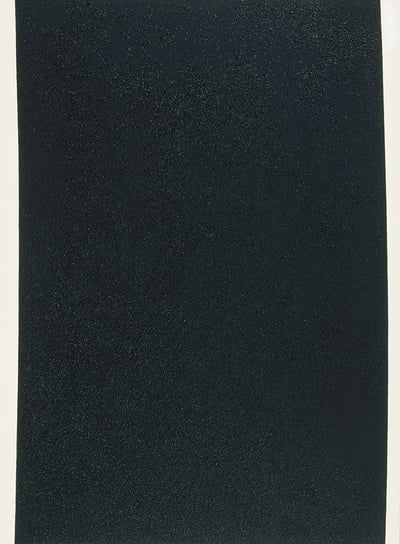
Richard Serra
Extensión # 3, 2004
Limited Edition Print
Etching
EUR 24,800

Frank Stella
Bene Come il Sale, 1989
Limited Edition Print
Etching and Aquatint
USD 34,900
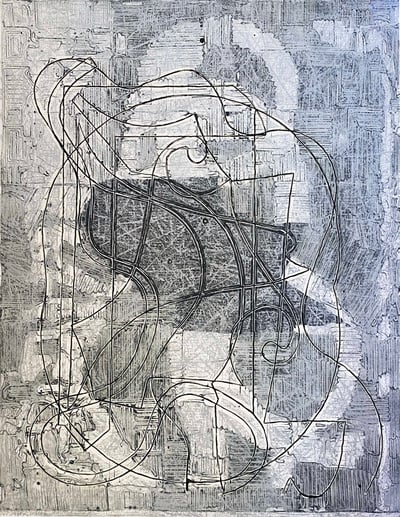
Frank Stella
Imola Three, I (from the Circuits Series), 1982
Limited Edition Print
Mixed Media
USD 43,000 - 50,000
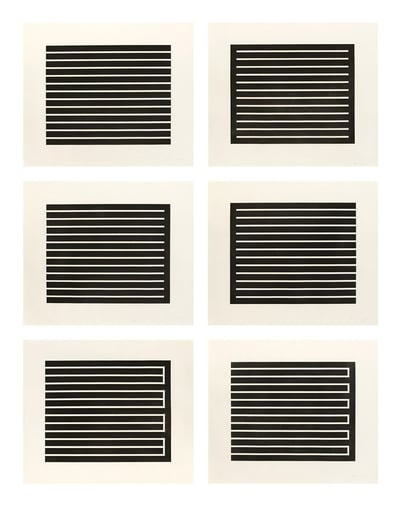
Donald Judd
Untitled (set of 6), 1980
Limited Edition Print
Aquatint
Currently Not Available

Frank Stella
Sinjerli Variation I, 1977
Limited Edition Print
Mixed Media
Currently Not Available

Frank Stella
Effingham, 1974
Limited Edition Print
Mixed Media
Inquire For Price

Kenneth Noland
Untitled (Target), 2004
Limited Edition Print
Lithograph
Currently Not Available
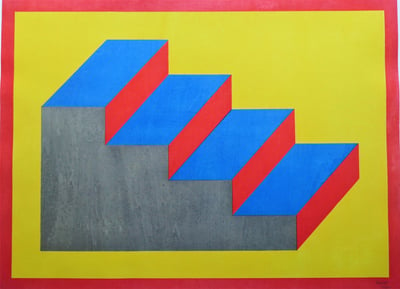
Sol LeWitt
Steps (Form Derived from a Cubic Rectangle), 1992
Limited Edition Print
Woodcut
EUR 5,900
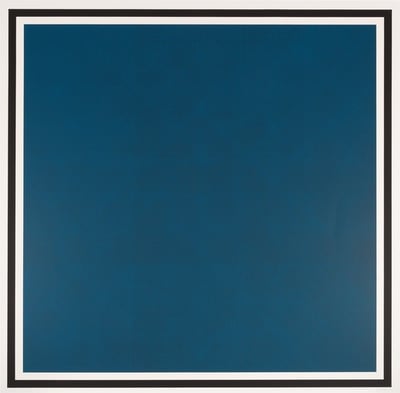
Sol LeWitt
Ohne Titel (Blue Square), 1990
Limited Edition Print
Serigraph
USD 5,250

Sol LeWitt
Tondo 1 (3 point star), 2002
Limited Edition Print
Linocut
Currently Not Available
Related Articles
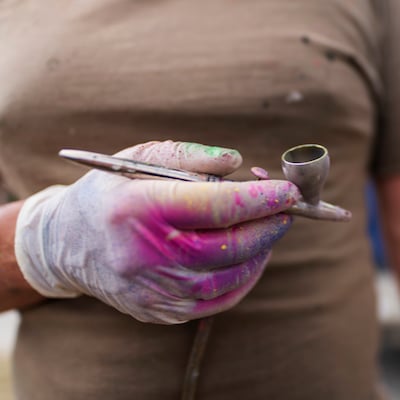
An airbrush is a device that sprays various media, including paint and ink, using compressed air. Artists use airbrushes to create a smooth, even application of color, often achieving effects that are not possible with traditional brushes. James Rosenquist, an American Pop artist, regularly used an airbrush in his work. Before gaining fame with pieces like the iconic F-111 (1965), he worked as a commercial and industrial painter, where he honed his airbrush skills.

Bricolage is the creation or construction of a piece of art using materials that are readily available to the artist. The term is French and roughly translates to do-it-yourself. This approach became popular when materials were scarce, encouraging artists to improvise and repurpose everyday objects. Bricolage emphasizes creativity and resourcefulness, often resulting in artworks that reflect the unique character of the materials used.

The New Leipzig School is a movement in modern German painting that represents the third generation of artists associated with the Hochschule für Grafik und Buchkunst Leipzig. This movement reflects the post-reunification landscape of Germany. Unlike the first generation of Leipzig painters, the third generation does not have clear, defined characteristics or messages. Instead, their work blends figurative and abstract elements, placing a strong emphasis on creativity and experimentation.
Can't find your Answer?
Thank you! Your question has been sent — we'll get back to you shortly.
