

What is Tachisme?
- Show All
- Established
- Discoveries
- Show All
Artworks Related to Tachisme

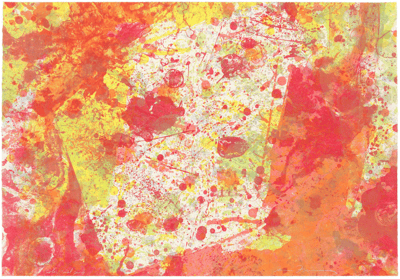
Sam Francis
Untitled Red (American Foundation), 1992
Limited Edition Print
Etching
USD 11,600
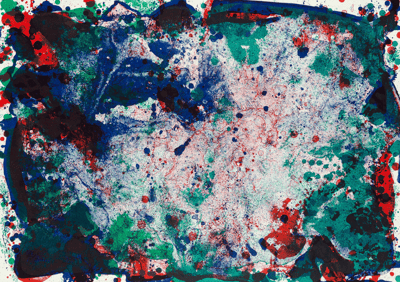
Sam Francis
And Pink (SF-143), 1973
Limited Edition Print
Lithograph
USD 11,600
Sam Francis
Another Footprint, 1971
Limited Edition Print
Lithograph
USD 11,600

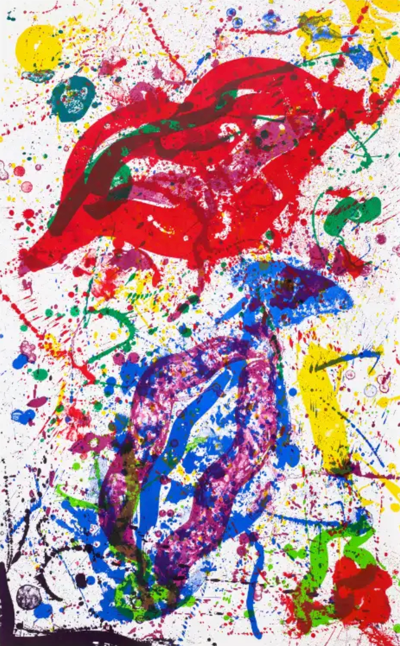
Zao Wou-Ki
Untitled (A. 246A), 1974
Limited Edition Print
Etching and Aquatint
EUR 4,500 - 6,000
Sam Francis
Untitled (SF-329) (L. L278), 1988
Limited Edition Print
Lithograph
EUR 7,500 - 10,000

Sam Francis
Untitled (from the Fresh Air School portfolio), 1972
Limited Edition Print
Lithograph
EUR 1,850

Karel Appel
Untitled (Colorful Figure), 1998
Drawing / Watercolor
Pastel
EUR 7,500

Antoni Tapies
Untitled (Calligraphic Loop Form), 1992
Drawing / Watercolor
Graphite
EUR 4,950

Zao Wou-Ki
sonnets de Shakespeare II, 1994
Limited Edition Print
Etching
EUR 2,800

Zao Wou-Ki
Sonnets de Shakespeare I, 1994
Limited Edition Print
Etching
EUR 2,800
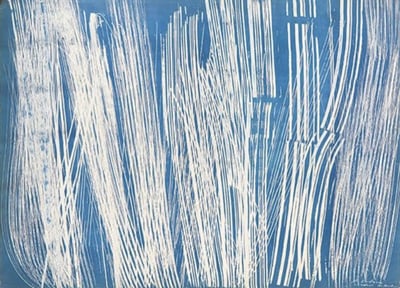
Hans Hartung
G 1970-21, 1970
Limited Edition Print
Etching
EUR 6,500

Asger Jorn
Sans titre, 1967
Limited Edition Print
Lithograph
EUR 2,550
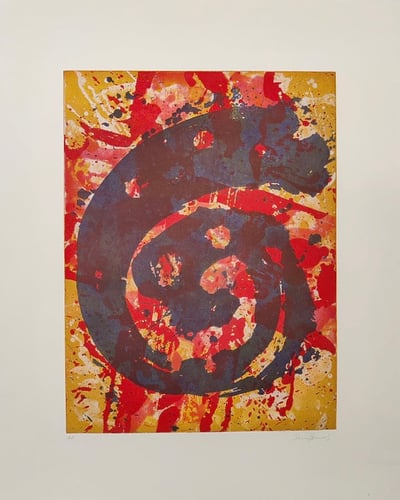
Sam Francis
Mehrfarbige Spirale, 1970
Limited Edition Print
Etching and Aquatint
USD 5,250
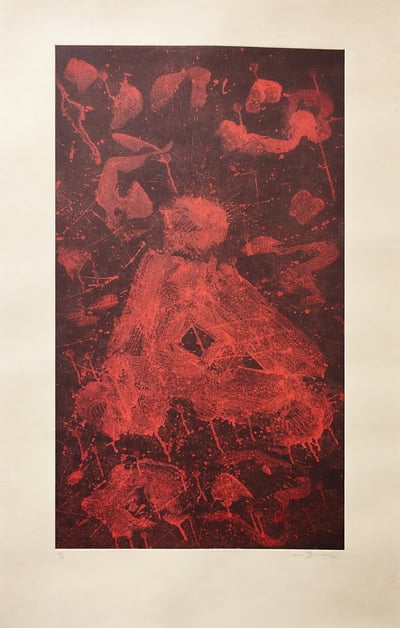
Sam Francis
Untitled (SFE-021), 1984
Limited Edition Print
Aquatint
USD 5,250
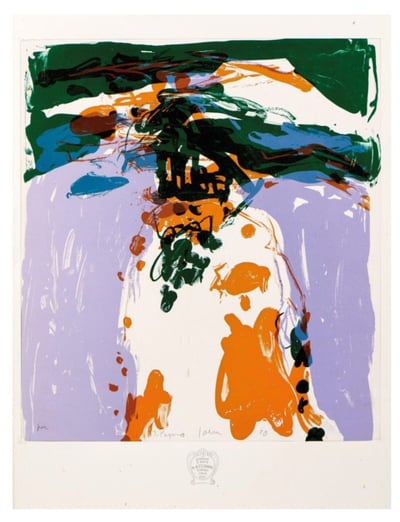
Asger Jorn
Lithographie couleur, 1970
Limited Edition Print
Lithograph
EUR 1,200

Lucio Fontana
Untitled from The International Avant-Garde (volume I), 1962
Limited Edition Print
Mixed Media
USD 8,150
Related Articles
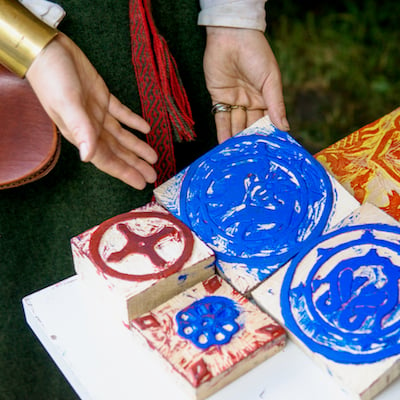
Woodblock printing is a technique that uses a carved wooden surface to create an image on materials such as paper or cloth. Ink or paint is applied thinly to the carved surface, which is then pressed against the material to transfer the image. This method has been historically significant in various cultures for producing prints and textiles.

Massurrealism is a portmanteau word coined by American artist James Seehafer in 1992. He observed a trend among postmodern artists who blended themes and aesthetic styles with mass media, including elements of pop art. Massurrealism is a development of surrealism that emphasizes the technological effects on the imagery of contemporary surrealism. The key difference between massurrealism and surrealism is that the latter was founded in Europe at the beginning of the 20th century, while massurrealism is rooted in the influence of modern technology and media.
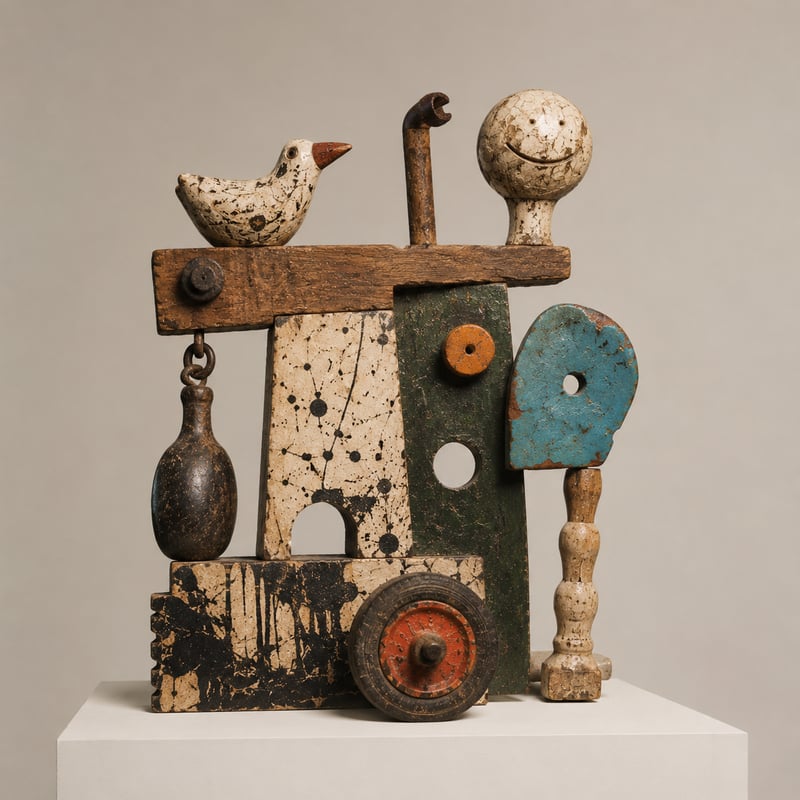
In the 1960s, Funk Art emerged as a reactive movement against Abstract Expressionism. It was widely known as an anti-establishment movement, with the name derived from the jazz term funky. This term carried both positive and negative connotations: in the jazz world, it described passion, quirkiness, and sensuality, but it could also refer to a foul odor. Funk Art was particularly popular in the California Bay Area. While the artists of the Funk Art era shared similar attitudes and styles, they did not see themselves as part of a formal group or movement.
Can't find your Answer?
Thank you! Your question has been sent — we'll get back to you shortly.
