

What is tapestry?
Tapestry is a woven form of textile. It is generally heavy, and the completed work has a decorative pattern, design or realistic depiction of a portrait or real life activities. Tapestries were hung on castle walls and behind thrones as symbols of royal authority.
Show All
- Show All
- Established
- Discoveries
Show All
- Show All
Artworks Related to Tapestry

Gunther Forg
Teppich I, 2006
Tapestry
Tapestry
EUR 7,500
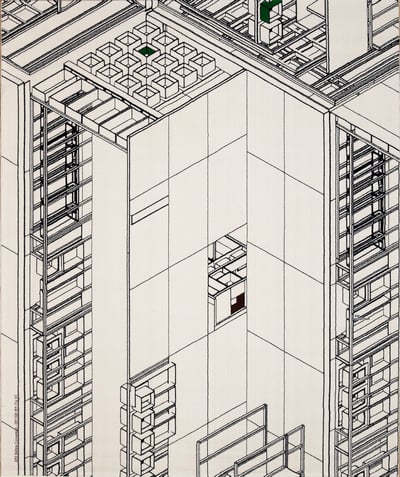
Jan De Cock
D53 Before Conversation Fig.154, 2006
Tapestry
Tapestry
EUR 11,000

Jan De Cock
D53 Before Converdation Fig.271, 2006
Tapestry
Tapestry
EUR 7,500

Jan De Cock
D53 Before Conversation Fig.267, 2006
Tapestry
Tapestry
EUR 7,500

Jan De Cock
D53 Before Conversation - fig323, 2006
Tapestry
Tapestry
EUR 6,500

Jan De Cock
D53 Before Conversation - Fig275, 2006
Tapestry
Tapestry
EUR 6,500

Jan De Cock
D53 Before Conversation - Fig252, 2006
Tapestry
Tapestry
EUR 6,500

Tony Cragg
Form Code (III), 2006
Tapestry
Tapestry
EUR 4,800
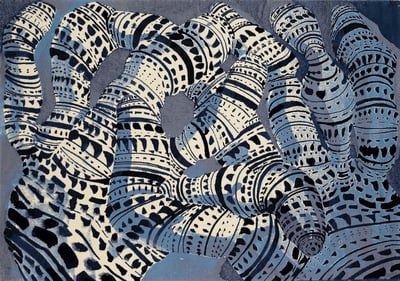
Tony Cragg
Form Code (Blue), 2006
Tapestry
Tapestry
EUR 10,000

Tony Cragg
From Code (Red), 2006
Tapestry
Tapestry
EUR 7,500
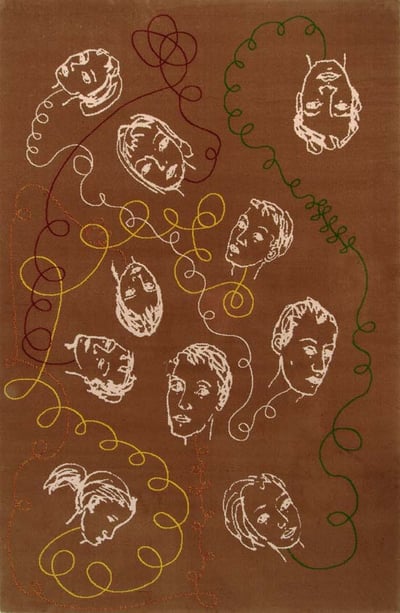
Stephan Balkenhol
Köpfe (B-large), 2006
Tapestry
Tapestry
EUR 12,000
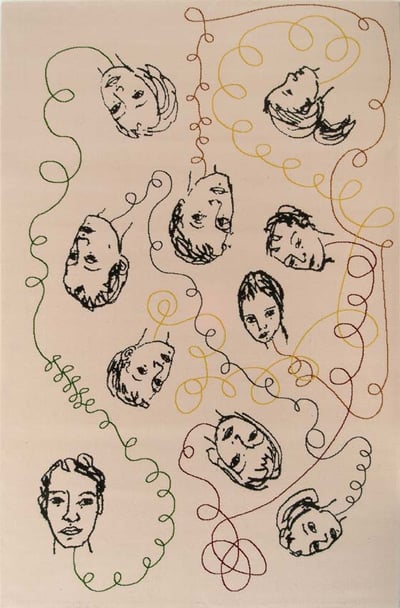
Stephan Balkenhol
Köpfe (W-large), 2006
Tapestry
Tapestry
EUR 12,000

Stephan Balkenhol
Köpfe (B), 2006
Tapestry
Tapestry
EUR 6,500

Stephan Balkenhol
Köpfe (G), 2006
Tapestry
Tapestry
EUR 6,500

Stephan Balkenhol
Köpfe (W), 2006
Tapestry
Tapestry
EUR 6,500

Jan Fabre
Flies, 2002
Tapestry
Tapestry
EUR 4,800
Related Articles
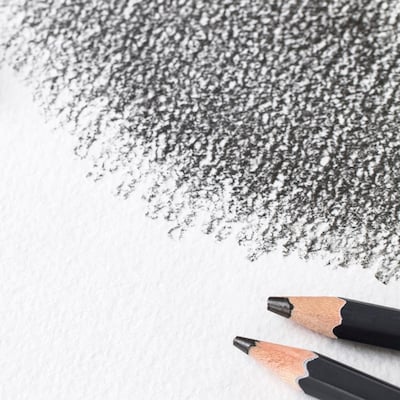
A pencil is a writing and drawing tool with a core of solid pigment, typically graphite or colored, encased in a protective layer of wood or composite material. Pencils make marks on paper by transferring part of the core pigment onto the surface.

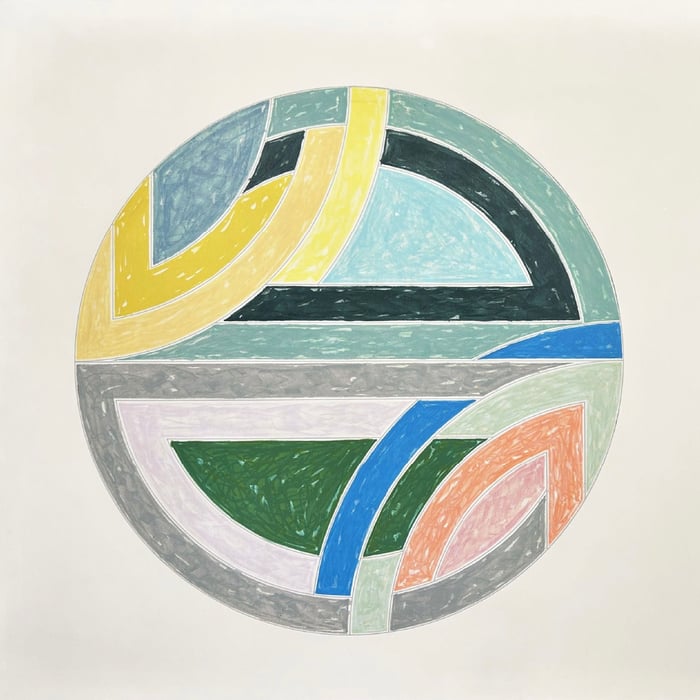
Systems Art refers to a group of artists who, during the late 1960s and early 1970s, used the frameworks of conceptualism and minimalism to create art that was responsive to its environment. Rejecting traditional art themes, they embraced aesthetic systems and experimented with diverse media. Systems Art often connected with contemporary political movements of the time, emphasizing the interrelationship between the artwork, its context, and the broader social and political environment.

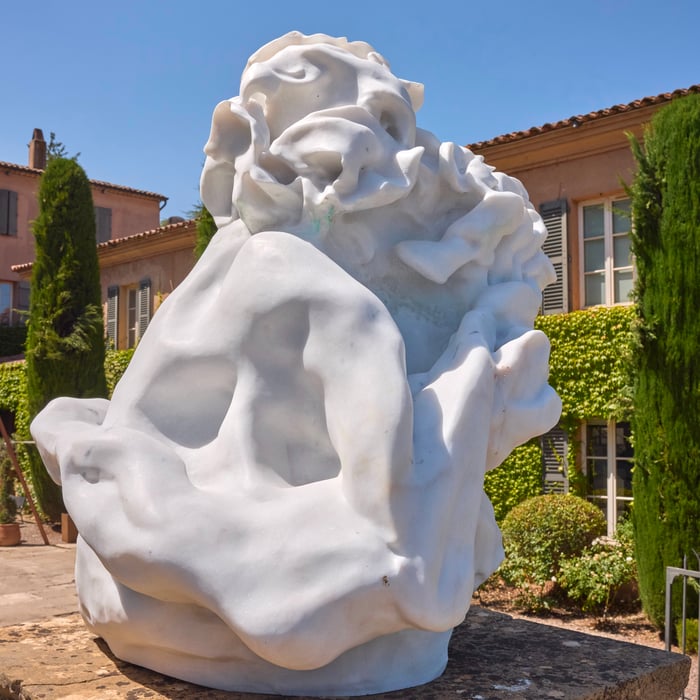
Nouveau Réalisme is an artistic movement founded in 1960 by art critic Pierre Restany and painter Yves Klein during a collective exhibition at a gallery in Milan. Restany wrote the original manifesto in April 1960, proclaiming the movement. In October of that year, nine artists, including Martial Raysse, Yves Klein, Daniel Spoerri, Jean Tinguely, Arman, Pierre Restany, and three Ultra-Lettrists—Jacques de la Villeglé, François Dufrêne, and Raymond Hains—signed the declaration. In 1961, the movement expanded to include Mimmo Rotella, Niki de Saint Phalle, Gérard Deschamps, and César. The movement emphasized a return to reality in art, often incorporating everyday objects and exploring the boundaries between art and life.
Can't find your Answer?
Thank you! Your question has been sent — we'll get back to you shortly.
