

What is the CoBrA movement?
- Show All
- Established
- Discoveries
- Show All
Artworks Related to CoBrA

Guillaume Corneille
Esmeralda, 2002
Limited Edition Print
Etching
EUR 1,400

Guillaume Corneille
Liegender Akt, 1991
Limited Edition Print
Lithograph
EUR 3,800

Guillaume Corneille
Demi-Lune dans ciel Catalan, 1990
Limited Edition Print
Lithograph
EUR 1,200

Karel Appel
Como el Viento, 1988
Limited Edition Print
Etching and Aquatint
EUR 1,700

Asger Jorn
Dans le Sillage d’if-Aube, 1971
Limited Edition Print
Woodcut
Currently Not Available

Asger Jorn
L’oubli, 1960/61
Limited Edition Print
Lithograph
USD 3,000

Bengt Lindstrom
Komposition, 1976
Limited Edition Print
Lithograph
USD 750

Walasse Ting
Blue horse, 1991
Limited Edition Print
Screen-print
Currently Not Available

Bengt Lindstrom
L'Attente
Painting
Acrylic on paper
EUR 9,500
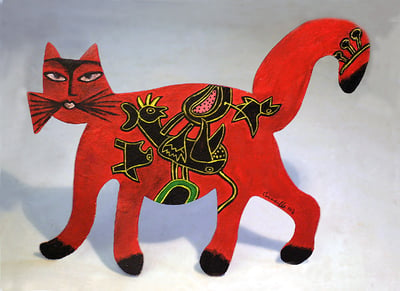
Guillaume Corneille
Chat Exotique des Iles du sud
Sculpture / Object
Metal
EUR 600

Guillaume Corneille
Woman and Bird
Sculpture / Object
Wood
EUR 1,400

Guillaume Corneille
Rêve d’été, 2004
Sculpture / Object
Wood
EUR 1,400

Walasse Ting
Untitled WT EP 17, 1985
Limited Edition Print
Lithograph
EUR 1,450
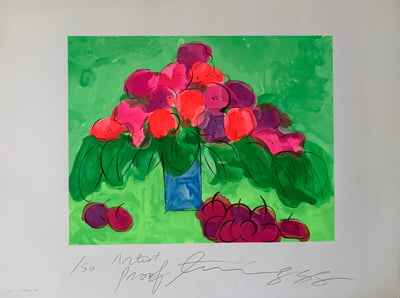
Walasse Ting
I Love Cherries and Flowers, 1980
Limited Edition Print
Lithograph
Currently Not Available
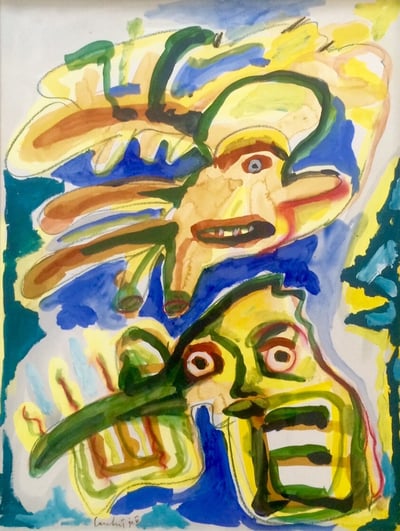
Lucebert
Untitled (Expressive Figures), 1990
Drawing / Watercolor
Mixed Media
EUR 4,850
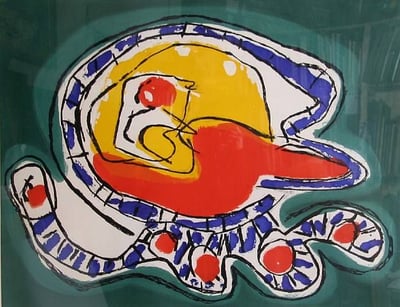
Karel Appel
Tete montagne I, 1976
Limited Edition Print
Aquatint
EUR 2,350
Related Articles
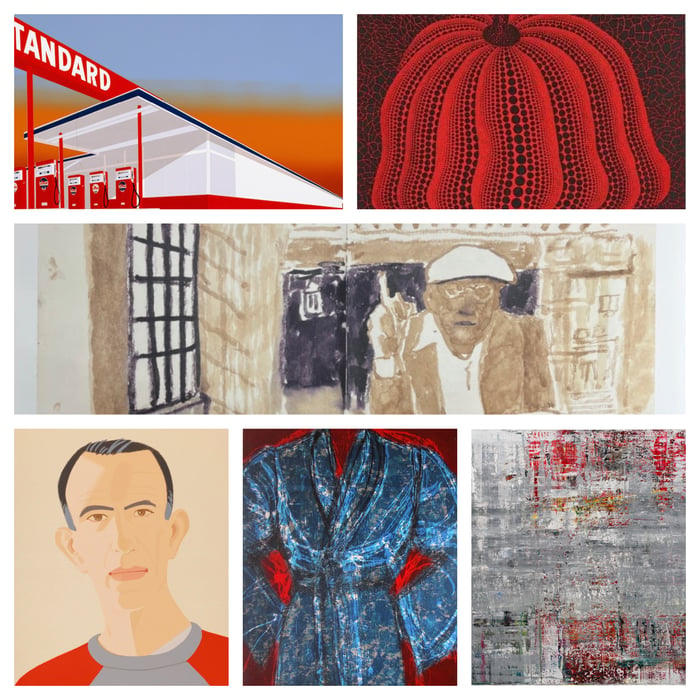


Street Art is artwork created and executed in public spaces, outside of traditional art venues. It gained popularity during the 1980s graffiti art boom and has since evolved into various forms and styles. Common forms of Street Art include pop-up art, sticker art, stencil graffiti, and street installations or sculptures. Terms like guerrilla art, neo-graffiti, post-graffiti, and urban art are often used interchangeably to describe this genre, which challenges conventional ideas about where and how art should be displayed.
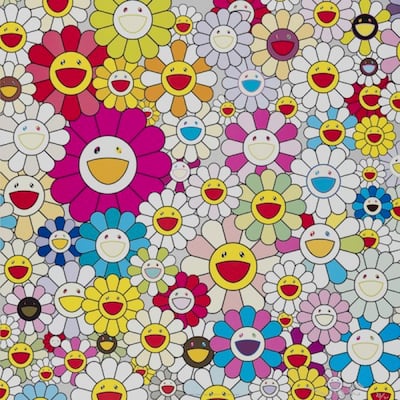
Superflat is an art movement founded by Takashi Murakami, heavily influenced by anime and manga. The term Superflat refers to the flattened forms found in Japanese animation, graphic art, fine arts, and pop culture, as well as the perceived superficiality of Japanese culture. Murakami's movement, which he self-proclaimed, is considered postmodern and critiques both the depth and shallowness of contemporary Japanese society. Superflat has been highly influential in bridging the gap between high art and popular culture.

Nouveau Réalisme is an artistic movement founded in 1960 by art critic Pierre Restany and painter Yves Klein during a collective exhibition at a gallery in Milan. Restany wrote the original manifesto in April 1960, proclaiming the movement. In October of that year, nine artists, including Martial Raysse, Yves Klein, Daniel Spoerri, Jean Tinguely, Arman, Pierre Restany, and three Ultra-Lettrists—Jacques de la Villeglé, François Dufrêne, and Raymond Hains—signed the declaration. In 1961, the movement expanded to include Mimmo Rotella, Niki de Saint Phalle, Gérard Deschamps, and César. The movement emphasized a return to reality in art, often incorporating everyday objects and exploring the boundaries between art and life.
Can't find your Answer?
Thank you! Your question has been sent — we'll get back to you shortly.
