

La Lune, 1965
Form
Medium
Size
- Inches
- Centimeters
Edition
Price
- Authenticity Guaranteed
- Insured Shipping
- Online Since 2005
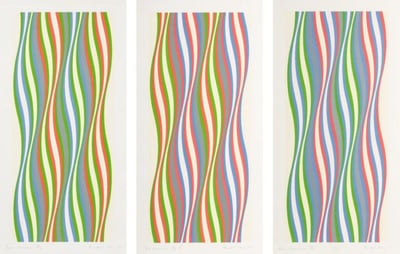
Bridget Riley
Green Dominance, Blue Dominance, Red Dominance (set of 3), 1077
Limited Edition Print
Screen-print
Inquire For Price
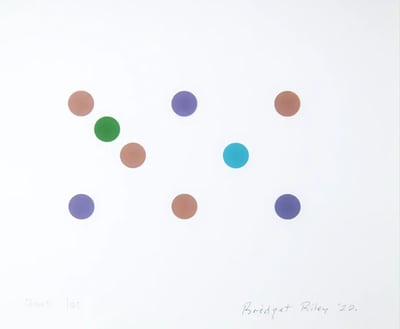
Bridget Riley
Cherub, 2020
Limited Edition Print
Screen-print
GBP 7,000 - 9,100
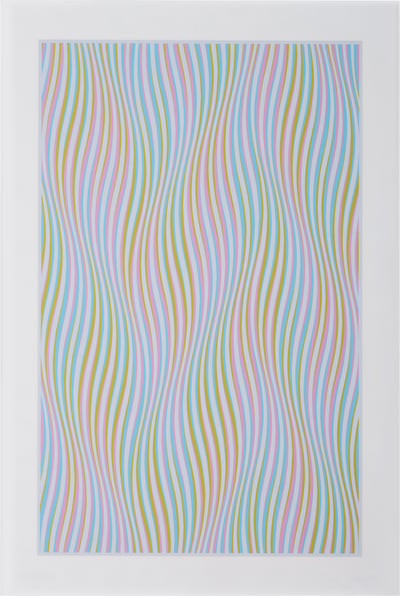
Bridget Riley
Elapse, 1982
Limited Edition Print
Screen-print
GBP 18,000 - 23,000
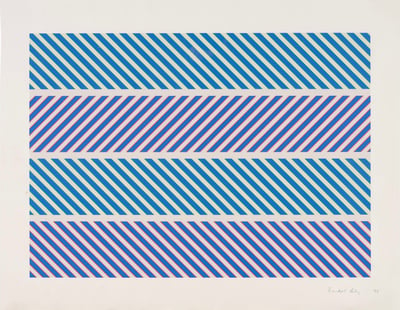
Bridget Riley
Untitled (Rothko Portfolio), 1973
Limited Edition Print
Screen-print
GBP 16,000 - 20,000
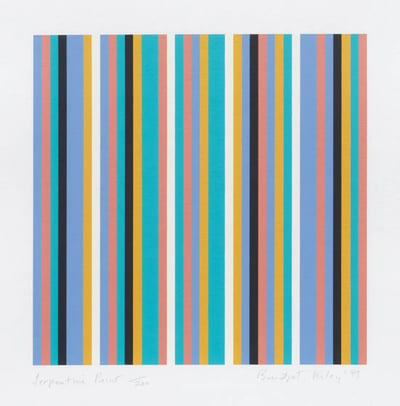
Bridget Riley
Serpentine, 1999
Limited Edition Print
Screen-print
GBP 12,000 - 15,600
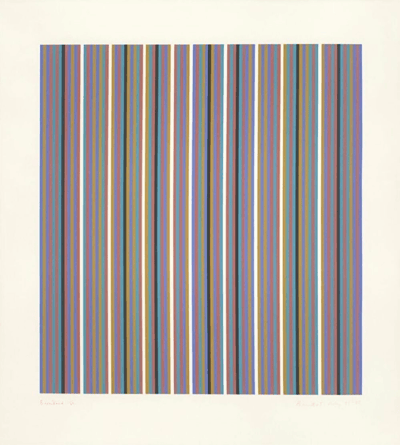
Bridget Riley
Brouillard, 1981-2003
Limited Edition Print
Screen-print
Inquire For Price

Bridget Riley
Around, 2011
Limited Edition Print
Screen-print
GBP 12,500 - 16,200
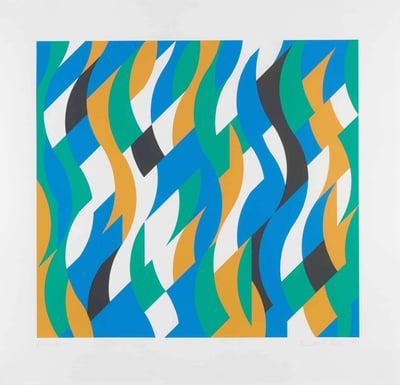
Bridget Riley
Echo, 1998
Limited Edition Print
Screen-print
GBP 16,000 - 20,800
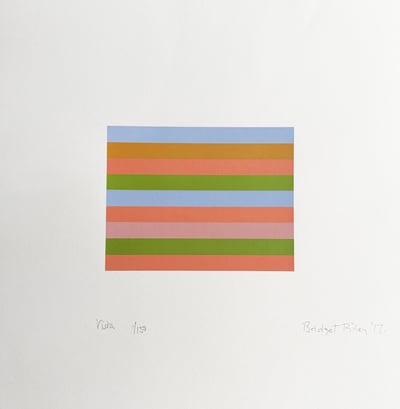
Bridget Riley
Vista, 2017
Limited Edition Print
Screen-print
Inquire For Price
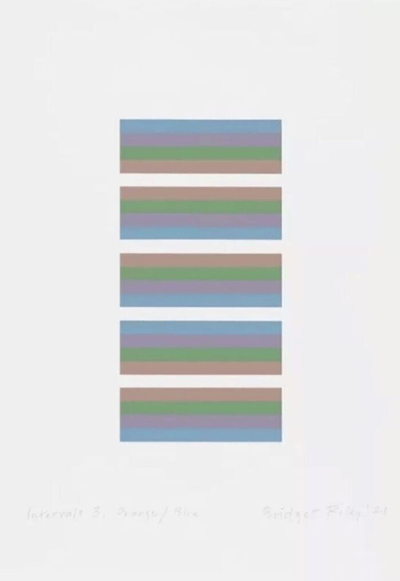
Bridget Riley
Intervals 3 - Orange / Blue, 2021
Limited Edition Print
Screen-print
Inquire For Price
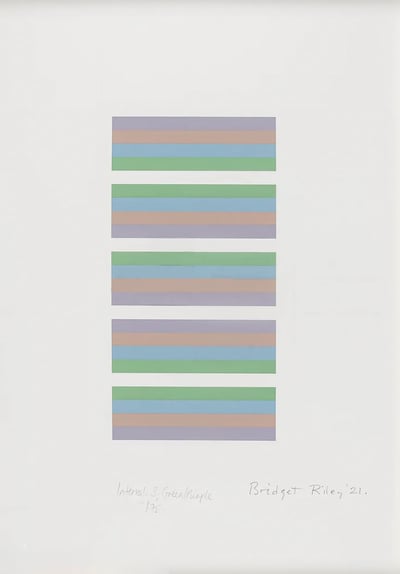
Bridget Riley
Intervals 3 (Green/Purple), 2021
Limited Edition Print
Screen-print
GBP 7,000 - 10,000

Bridget Riley
About Lilac, 2007
Limited Edition Print
Screen-print
GBP 9,000 - 12,000
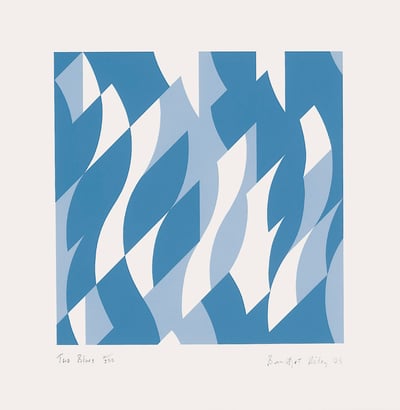
Bridget Riley
Two Blues, 2003
Limited Edition Print
Screen-print
USD 14,000 - 16,000

Bridget Riley
Coloured Greys (2), 1972
Limited Edition Print
Screen-print
GBP 12,000 - 15,000

Bridget Riley
Fold, 2004
Limited Edition Print
Screen-print
Inquire For Price

Bridget Riley
Intervals 3, Blue / Green, 2021
Limited Edition Print
Screen-print
GBP 8,900
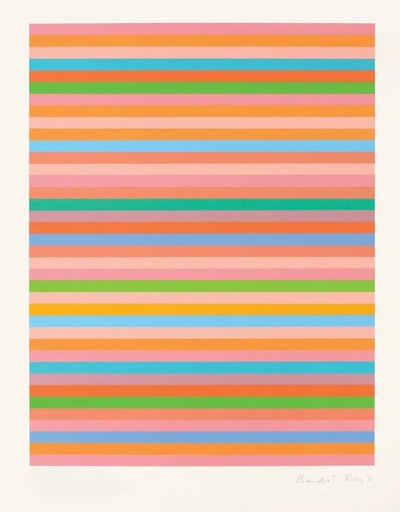
Bridget Riley
Rose Rose, 2011
Limited Edition Print
Screen-print
GBP 17,500
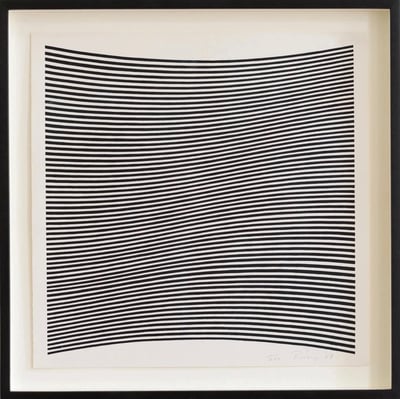
Bridget Riley
La Lune, 1965
Limited Edition Print
Screen-print
GBP 20,000 - 25,000

Bridget Riley
Measure For Measure, 2020
Limited Edition Print
Screen-print
GBP 9,000

Bridget Riley
One small step, 2009
Limited Edition Print
Screen-print
GBP 10,500

Bridget Riley
Print for Chicago 8, 1971
Limited Edition Print
Screen-print
Currently Not Available

Bridget Riley
Going Across, 2001
Limited Edition Print
Silkscreen
Currently Not Available
Related Artists


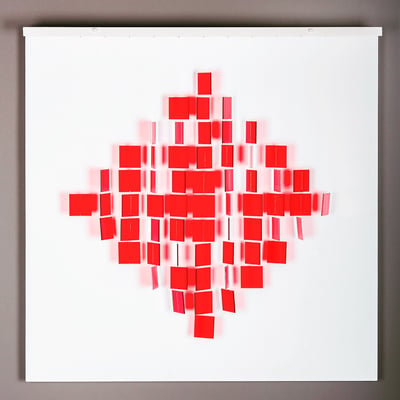
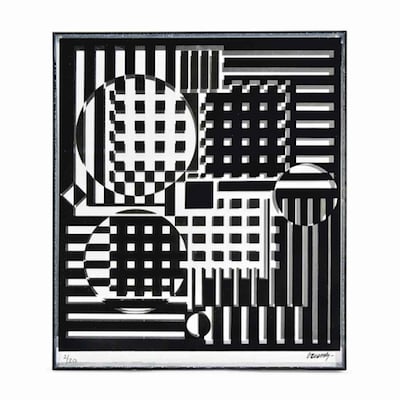
What is Op Art?
Op Art is a visual art style that uses optical illusions to create the impression of movement, vibrating patterns, flashing, or hidden images. The works are typically abstract, with many well-known pieces in black and white. The roots of Op Art can be traced back to earlier movements like Futurism, Constructivism, Dada, and Neo-Impressionism, particularly in their use of color effects and graphic design.
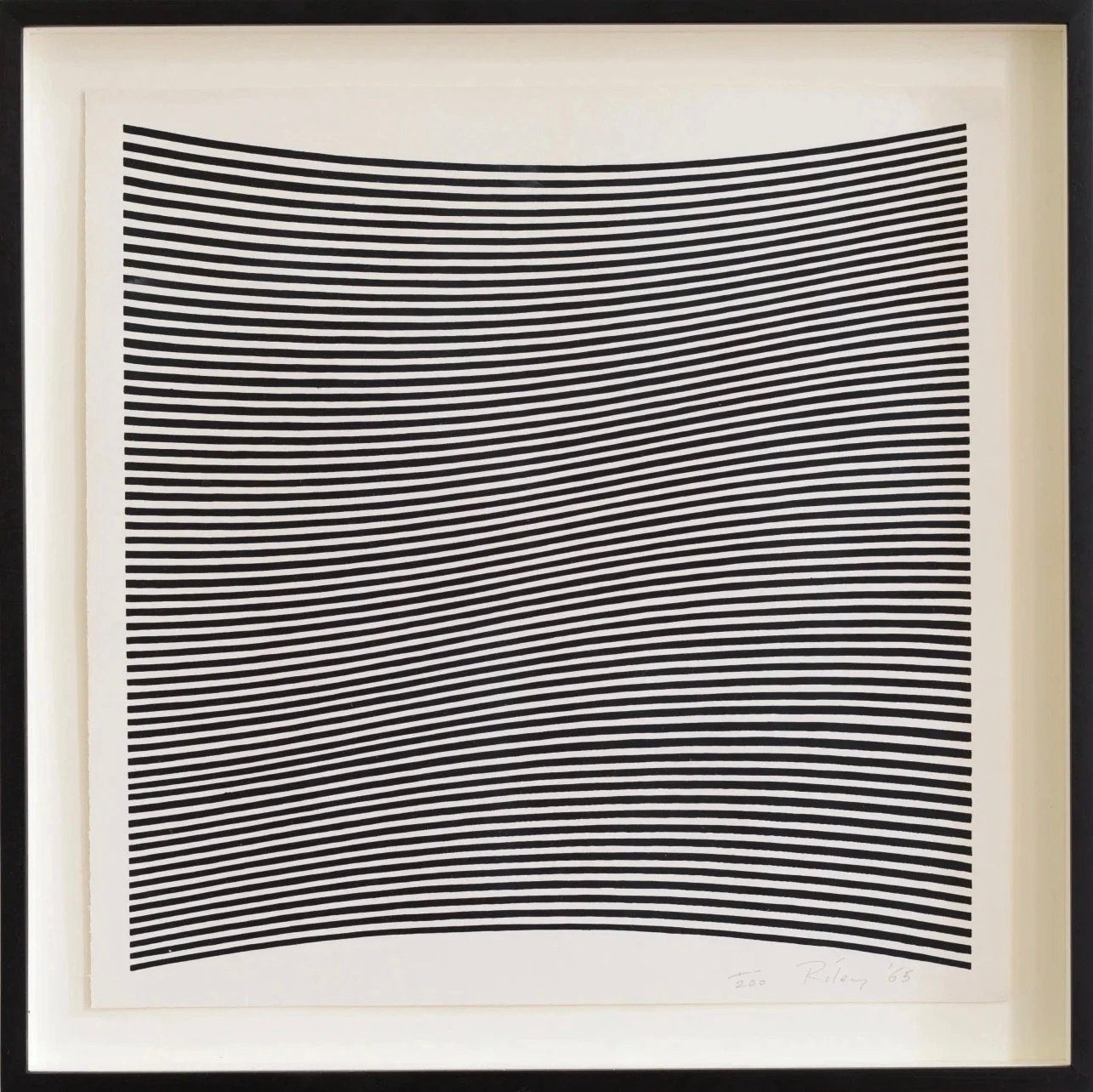
Bridget Riley
La Lune, 1965
31.9 x 31.9 cm


