

Remote control and acrylic - each piece of this edition is unique - please note that this is not a picture of the actual piece, ask us for more info.
Artwork Copyright © Nam June PaikNam June Paik (South Korea/USA, 1932–2006) was a pioneering video artist and a key figure in the Fluxus movement. Often called the 'father of video art,' his innovative works combined technology, performance, and visual media. Iconic creations like TV Buddha and Electronic Superhighway redefined art in the digital age.
Artwork Copyright © Nam June PaikKim Chee and Sauerkraut, 1997
Form
Medium
Size
- Inches
- Centimeters
Edition
Price
Available works →
- Authenticity Guaranteed
- Insured Shipping
- Online Since 2005
●
●Inventory 3133
●Signed
●Comes with gallery invoice and certificate
●Sell Us a Similar Artwork. Learn more.
Remote control and acrylic - each piece of this edition is unique - please note that this is not a picture of the actual piece, ask us for more info.
Artwork Copyright © Nam June PaikNam June Paik (South Korea/USA, 1932–2006) was a pioneering video artist and a key figure in the Fluxus movement. Often called the 'father of video art,' his innovative works combined technology, performance, and visual media. Iconic creations like TV Buddha and Electronic Superhighway redefined art in the digital age.
Artwork Copyright © Nam June Paik- Recently Added
- Price (Low-High)
- Price (High-Low)
- Year (Low-High)
- Year (High-Low)
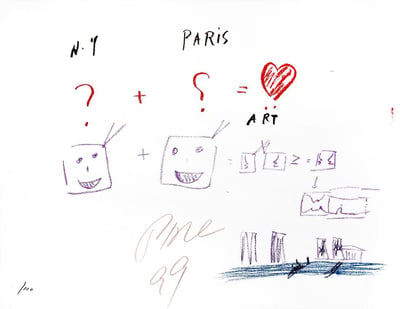
Nam June Paik
NY + Paris = Art, 1999
Limited Edition Print
Lithograph
Currently Not Available
Related Artists

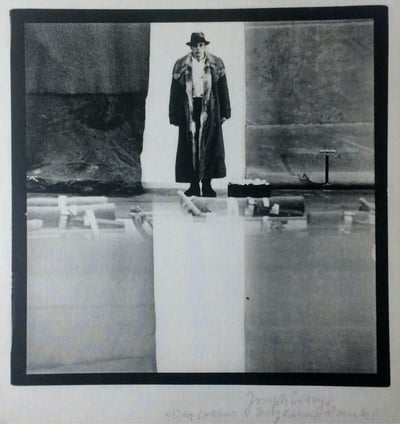
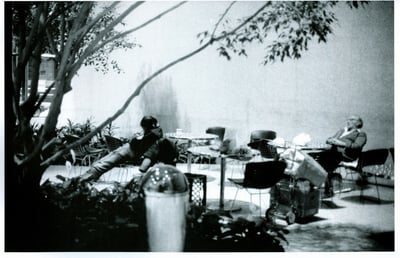
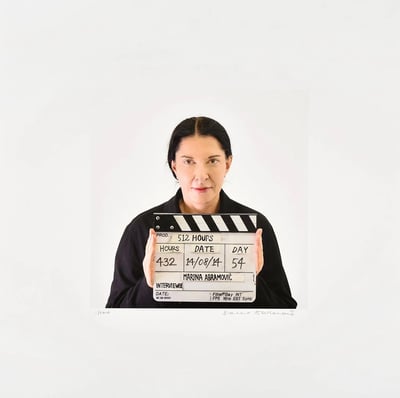
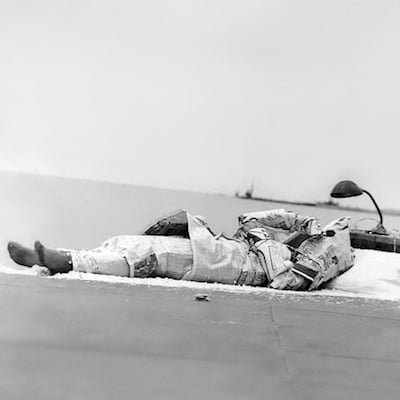
Artwork © Allan Kaprow’s “Happenings”
What is Happening?
A Happening is a term used to describe artistic and theatrical events held by artists in the 1950s and 60s. These events were typically staged in gallery installations or planned environments and often involved audience participation, along with elements like lighting, sounds, and slide projections. Happenings were a precursor to performance art, which later included the active participation of the artists themselves.


