

Printed in 1992 in celebration of the 100th anniversary of the Olympics games
Artwork Copyright © Nam June PaikNam June Paik (South Korea/USA, 1932–2006) was a pioneering video artist and a key figure in the Fluxus movement. Often called the 'father of video art,' his innovative works combined technology, performance, and visual media. Iconic creations like TV Buddha and Electronic Superhighway redefined art in the digital age.
Artwork Copyright © Nam June PaikOlympics, 1992
Form
Medium
Size
- Inches
- Centimeters
Edition
Price
Available works →
- Authenticity Guaranteed
- Insured Shipping
- Online Since 2005
●
●Inventory 2365
●Signed
●Comes with gallery invoice and certificate
●Sell Us a Similar Artwork. Learn more.
Printed in 1992 in celebration of the 100th anniversary of the Olympics games
Artwork Copyright © Nam June PaikNam June Paik (South Korea/USA, 1932–2006) was a pioneering video artist and a key figure in the Fluxus movement. Often called the 'father of video art,' his innovative works combined technology, performance, and visual media. Iconic creations like TV Buddha and Electronic Superhighway redefined art in the digital age.
Artwork Copyright © Nam June Paik- Recently Added
- Price (Low-High)
- Price (High-Low)
- Year (Low-High)
- Year (High-Low)
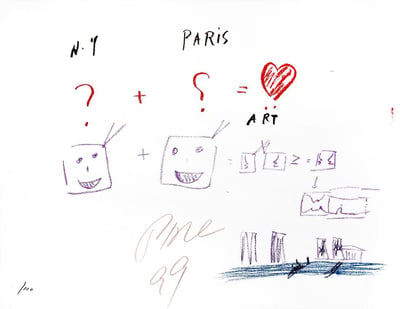
Nam June Paik
NY + Paris = Art, 1999
Limited Edition Print
Lithograph
Currently Not Available
Related Artists

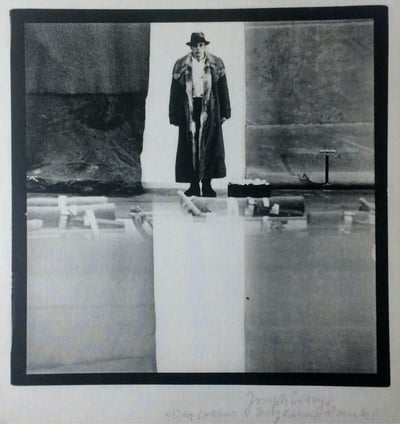
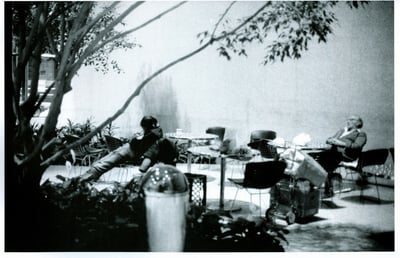
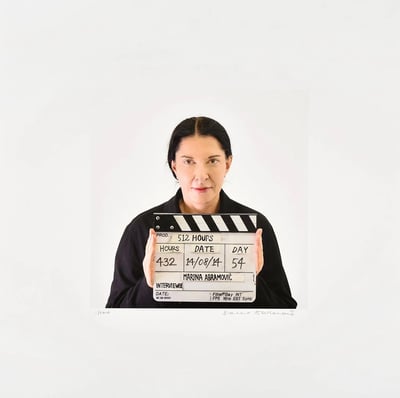

Artwork by Joseph Beuys
What is Fluxus?
Derived from the Latin word meaning flow, Fluxus is an international movement of designers, composers, and artists known for blending various artistic disciplines and media during the 1960s. The movement remains active in visual art, performance, design, architecture, urban planning, and other creative fields. Fluxus is sometimes referred to as nter-media and continues to play a pivotal role in expanding the definitions of what art can be.


