

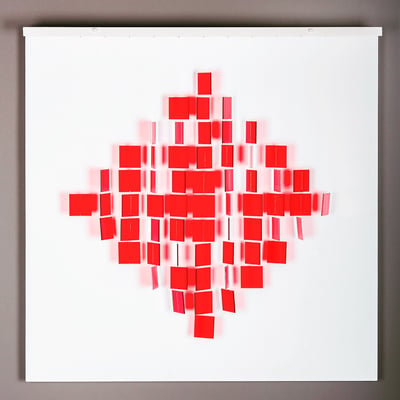
Spiral, 1955-83
Form
Medium
Size
- Inches
- Centimeters
Edition
Price
- Authenticity Guaranteed
- Insured Shipping
- Online Since 2005
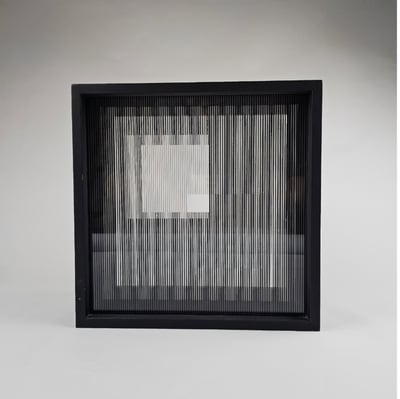
Rafael Jesus Soto
Kinetic Box, 1964
Sculpture / Object
Screen-print
USD 22,000
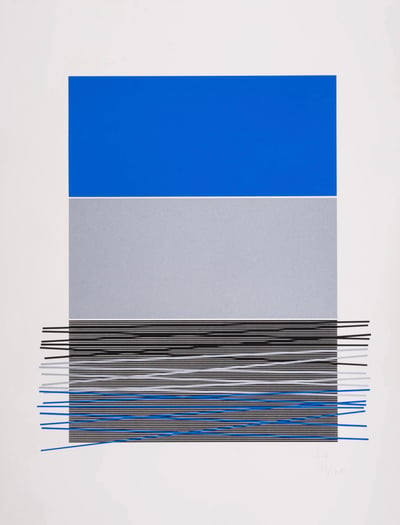
Rafael Jesus Soto
Untitled (Blue Horizon Lines), 1976
Limited Edition Print
Screen-print
USD 1,875
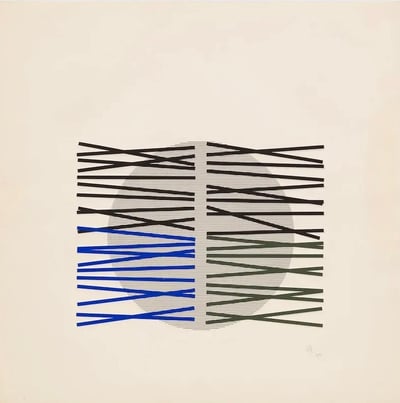
Rafael Jesus Soto
Untitled (circles and lines), 1970
Limited Edition Print
Screen-print
EUR 3,750

Rafael Jesus Soto
Composición, 1971
Limited Edition Print
Silkscreen
EUR 3,125

Rafael Jesus Soto
Espiral Doble, 1979
Sculpture / Object
Mixed Media
USD 8,950

Rafael Jesus Soto
Escritura, 1979
Sculpture / Object
Mixed Media
USD 8,950
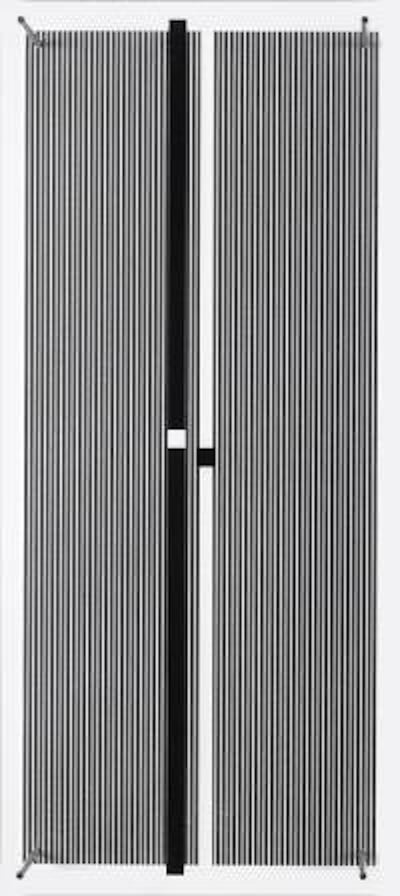
Rafael Jesus Soto
Permutacion, 1979
Sculpture / Object
Mixed Media
USD 8,950

Rafael Jesus Soto
La Escalera Azul , 1979
Sculpture / Object
Mixed Media
USD 8,950

Rafael Jesus Soto
Sotomagie II, 1967
Sculpture / Object
Mixed Media
USD 8,950

Rafael Jesus Soto
Caroni, 1971
Limited Edition Print
Silkscreen
EUR 1,270
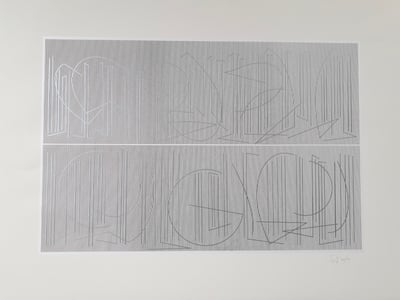
Rafael Jesus Soto
Untitled (Silver Lines)
Limited Edition Print
Screen-print
GBP 2,800
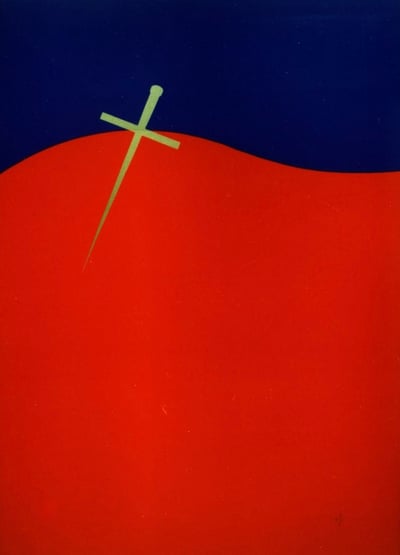
Rafael Jesus Soto
Homage to Federico Garcia Lorca, 1999
Limited Edition Print
Silkscreen
EUR 800
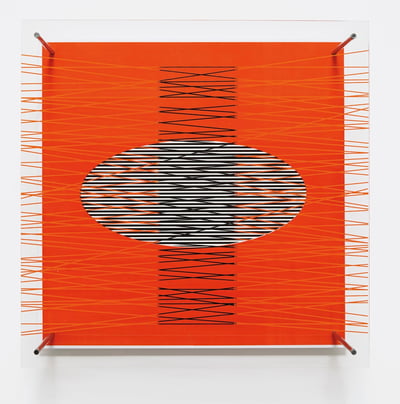
Rafael Jesus Soto
Óvalo en el rojo, 1979
Sculpture / Object
Mixed Media
USD 8,950
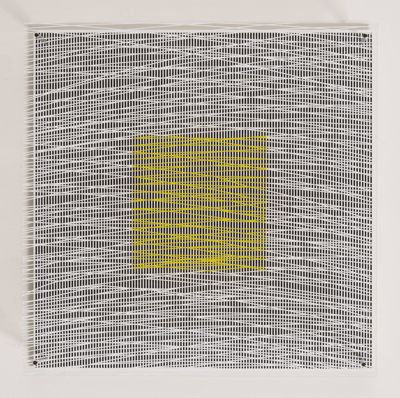
Rafael Jesus Soto
Cuadrado y Curvas Virtuales, 1979
Sculpture / Object
Mixed Media
USD 8,950

Rafael Jesus Soto
Vibrations, 1967
Sculpture / Object
Acrylic sculpture
EUR 9,200
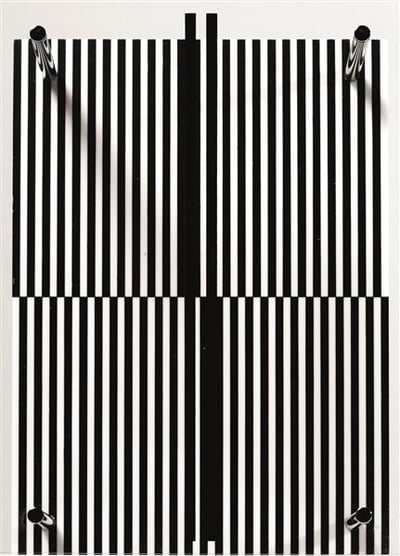
Rafael Jesus Soto
Permutation, 1955-1978
Sculpture / Object
Object
EUR 5,500
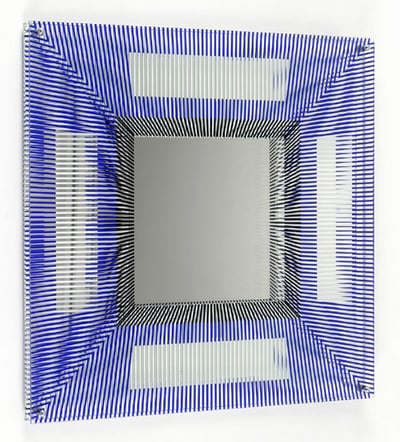
Rafael Jesus Soto
Mirroire, 2005
Sculpture / Object
Glass
EUR 10,000
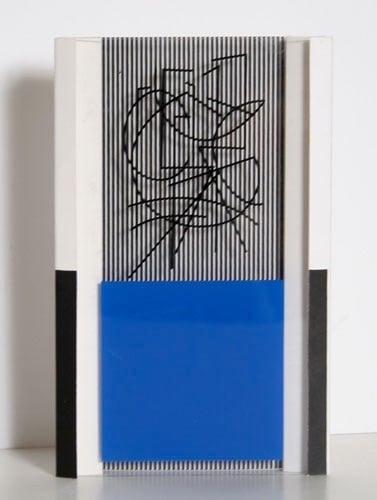
Rafael Jesus Soto
Sans Titre, 2001
Sculpture / Object
Acrylic sculpture
EUR 2,800

Rafael Jesus Soto
Dos Cuadraditos, 1972
Sculpture / Object
Object
Currently Not Available
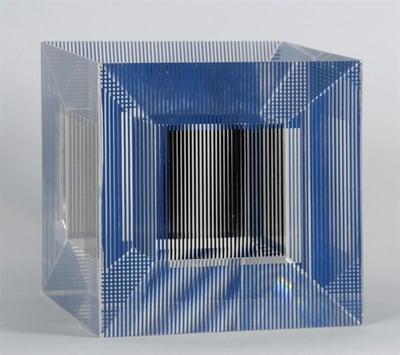
Rafael Jesus Soto
Cube with Ambiguous Space , 1981
Sculpture / Object
Object
Currently Not Available
Available works by Rafael Jesus Soto
See all →Rafael Jesus Soto
Kinetic Box, 1964
Sculpture / Object
Screen-print
USD 22,000
Rafael Jesus Soto
Untitled (Blue Horizon Lines), 1976
Limited Edition Print
Screen-print
USD 1,875
Rafael Jesus Soto
Untitled (circles and lines), 1970
Limited Edition Print
Screen-print
EUR 3,750
Rafael Jesus Soto
Composición, 1971
Limited Edition Print
Silkscreen
EUR 3,125
Rafael Jesus Soto
Espiral Doble, 1979
Sculpture / Object
Mixed Media
USD 8,950
Rafael Jesus Soto
Escritura, 1979
Sculpture / Object
Mixed Media
USD 8,950
Related Artists



What is interactive art?
Interactive art is a form of art where the spectator is actively involved by the artist to achieve the artwork's purpose. This involvement can include allowing the visitor to walk around, in, or on the art installation, or even becoming a part of the artwork itself. Works in this category often feature computers, sensors, and interfaces that respond to various inputs such as meteorological changes, heat, motion, or other types of data programmed by the artist.


