
Aquatint, photoetching, carborundum and handcoloured
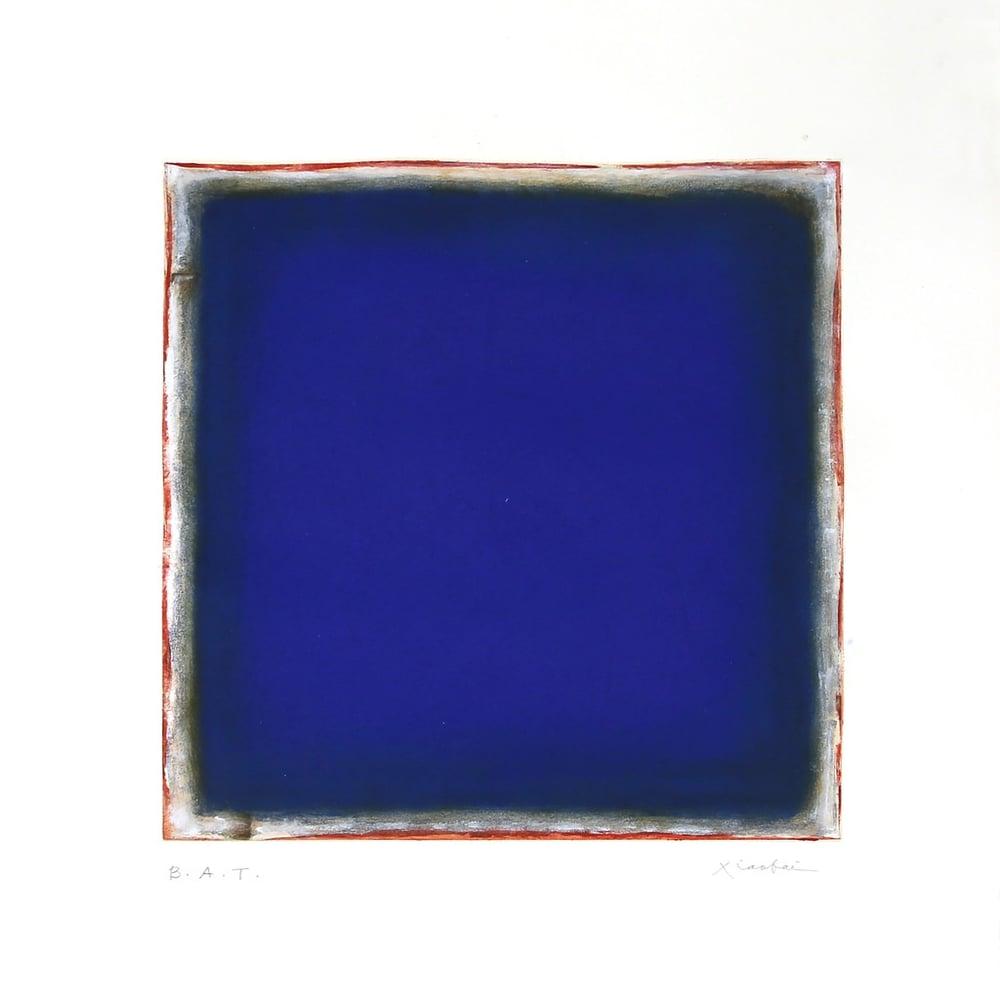
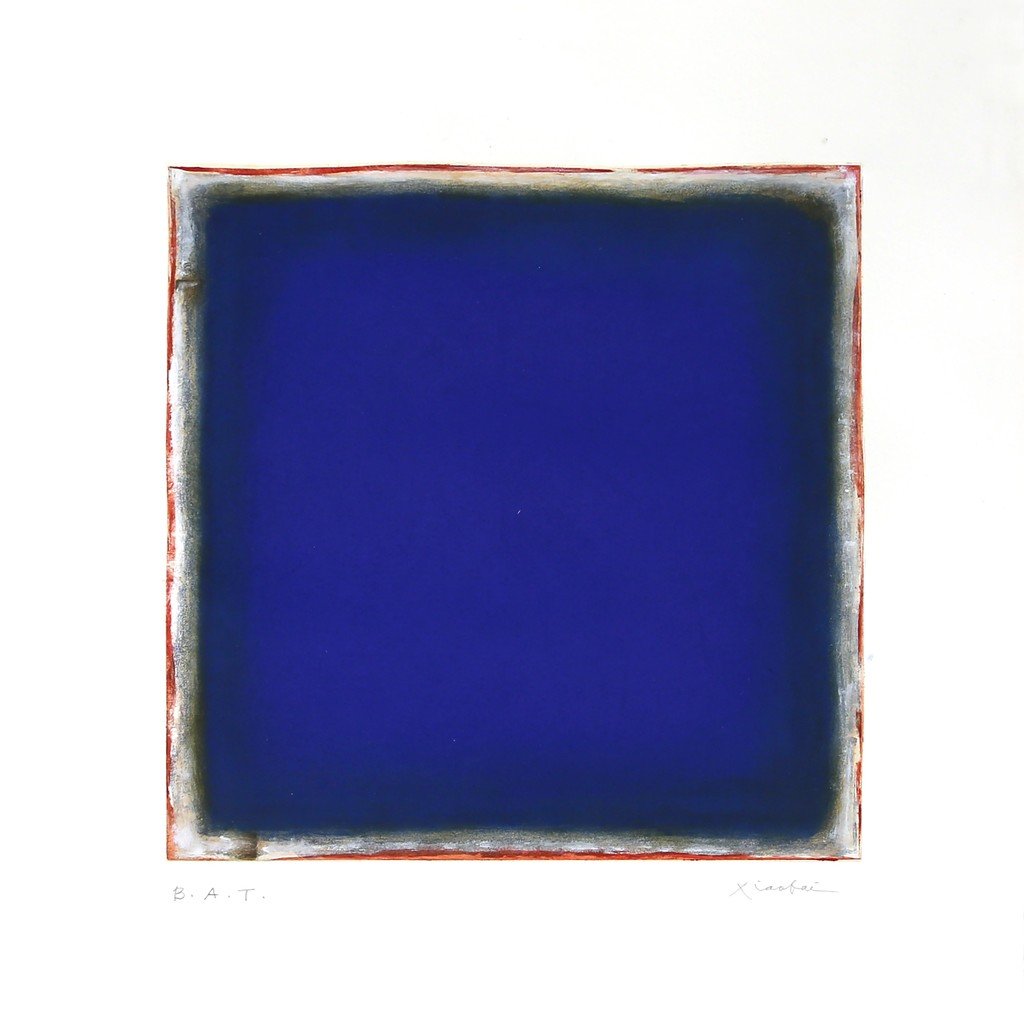
Su Xiaobai's Moonlight Halo (2015) is a striking example of minimalist abstraction, utilizing aquatint, photoetching, carborundum, and hand-coloring techniques. This limited edition print presents a bold, deep blue square at its center, surrounded by a subtle, irregular halo of softened edges in muted tones. The square’s rich color depth and soft, ethereal boundary evoke the quiet intensity of moonlight diffusing through darkness, creating a meditative visual experience. Xiaobai’s refined approach emphasizes texture and color, drawing the viewer into a contemplative space where form and hue intersect, reflecting his philosophical exploration of emptiness and presence within abstract shapes.
Artwork Copyright © Xiaobai SuSu Xiaobai (China, 1949) is a contemporary artist known for his abstract works that explore color, texture, and form. After studying at the Kunstakademie Düsseldorf, he developed a unique style incorporating traditional Chinese lacquer techniques with modern abstraction. Su's art often reflects themes of existence and perception, bridging Eastern and Western artistic philosophies.
Artwork Copyright © Xiaobai SuMoonlight Halo , 2015
Form
Medium
Size
- Inches
- Centimeters
Edition
Price
Available works →
- Authenticity Guaranteed
- Insured Shipping
- Online Since 2005
●
●Inventory 2833
●Signed
●Comes with gallery invoice and certificate
●Sell Us a Similar Artwork. Learn more.
Aquatint, photoetching, carborundum and handcoloured
Su Xiaobai's Moonlight Halo (2015) is a striking example of minimalist abstraction, utilizing aquatint, photoetching, carborundum, and hand-coloring techniques. This limited edition print presents a bold, deep blue square at its center, surrounded by a subtle, irregular halo of softened edges in muted tones. The square’s rich color depth and soft, ethereal boundary evoke the quiet intensity of moonlight diffusing through darkness, creating a meditative visual experience. Xiaobai’s refined approach emphasizes texture and color, drawing the viewer into a contemplative space where form and hue intersect, reflecting his philosophical exploration of emptiness and presence within abstract shapes.
Artwork Copyright © Xiaobai SuSu Xiaobai (China, 1949) is a contemporary artist known for his abstract works that explore color, texture, and form. After studying at the Kunstakademie Düsseldorf, he developed a unique style incorporating traditional Chinese lacquer techniques with modern abstraction. Su's art often reflects themes of existence and perception, bridging Eastern and Western artistic philosophies.
Artwork Copyright © Xiaobai Su- Recently Added
- Price (Low-High)
- Price (High-Low)
- Year (Low-High)
- Year (High-Low)

Xiaobai Su
Big Inkstone 1, 2016
Limited Edition Print
Etching
Currently Not Available

Xiaobai Su
Intellectual Aristocracy , 2013
Limited Edition Print
Etching
Currently Not Available
Xiaobai Su
Moonlight Halo , 2015
Limited Edition Print
Etching
Currently Not Available

Xiaobai Su
Intactness E, 2015
Limited Edition Print
Etching
Currently Not Available
Xiaobai Su
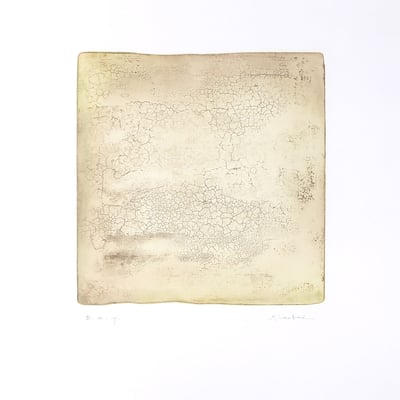
Intactness B , 2015
Limited Edition Print
Etching
Currently Not Available
Related Artists


Artwork by Miles Aldridge
What is contemporary art?
Contemporary art refers to avant-garde or innovative art created in the recent past or present day. The exact starting point of contemporary art varies depending on the institution, often tied to the founding year of museums or galleries that showcase the style. Contemporary art is characterized by its focus on current ideas, diverse media, and the exploration of new concepts and techniques.
Xiaobai Su
Moonlight Halo , 2015
61 x 56.6 cm


