

Aquatint and spite bite
Su Xiaobai's Kuanhou - Autumn (2015) is a limited edition aquatint that uses subtle gradations of dark and earthy tones to evoke a sense of depth and mystery. The central form, a softly blurred square with dark, nearly black hues, is framed by lighter edges, giving the impression of a shadowy portal or void. This monochromatic abstraction draws viewers into a meditative space, reminiscent of autumn's quiet, introspective atmosphere. Xiaobai’s expertise in creating texture through aquatint and spit bite techniques allows the piece to capture a profound sense of calm and timelessness, reflecting the transient beauty and melancholy of the season.
Artwork Copyright © Xiaobai SuSu Xiaobai (China, 1949) is a contemporary artist known for his abstract works that explore color, texture, and form. After studying at the Kunstakademie Düsseldorf, he developed a unique style incorporating traditional Chinese lacquer techniques with modern abstraction. Su's art often reflects themes of existence and perception, bridging Eastern and Western artistic philosophies.
Artwork Copyright © Xiaobai SuKuanhou - Autumn , 2015
Form
Medium
Size
- Inches
- Centimeters
Edition
Price
Available works →
- Authenticity Guaranteed
- Insured Shipping
- Online Since 2005
●
●Inventory 2834
●Signed
●Comes with gallery invoice and certificate
●Sell Us a Similar Artwork. Learn more.
Aquatint and spite bite
Su Xiaobai's Kuanhou - Autumn (2015) is a limited edition aquatint that uses subtle gradations of dark and earthy tones to evoke a sense of depth and mystery. The central form, a softly blurred square with dark, nearly black hues, is framed by lighter edges, giving the impression of a shadowy portal or void. This monochromatic abstraction draws viewers into a meditative space, reminiscent of autumn's quiet, introspective atmosphere. Xiaobai’s expertise in creating texture through aquatint and spit bite techniques allows the piece to capture a profound sense of calm and timelessness, reflecting the transient beauty and melancholy of the season.
Artwork Copyright © Xiaobai SuSu Xiaobai (China, 1949) is a contemporary artist known for his abstract works that explore color, texture, and form. After studying at the Kunstakademie Düsseldorf, he developed a unique style incorporating traditional Chinese lacquer techniques with modern abstraction. Su's art often reflects themes of existence and perception, bridging Eastern and Western artistic philosophies.
Artwork Copyright © Xiaobai Su- Recently Added
- Price (Low-High)
- Price (High-Low)
- Year (Low-High)
- Year (High-Low)

Xiaobai Su
Big Inkstone 1, 2016
Limited Edition Print
Etching
Currently Not Available

Xiaobai Su
Intellectual Aristocracy , 2013
Limited Edition Print
Etching
Currently Not Available
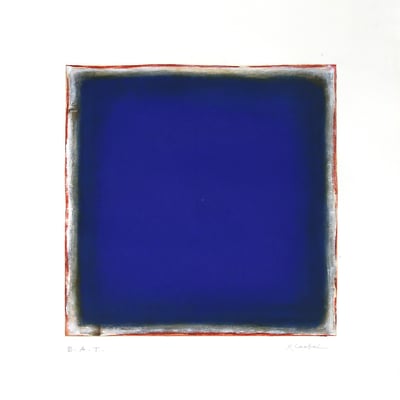
Xiaobai Su
Moonlight Halo , 2015
Limited Edition Print
Etching
Currently Not Available

Xiaobai Su
Intactness E, 2015
Limited Edition Print
Etching
Currently Not Available
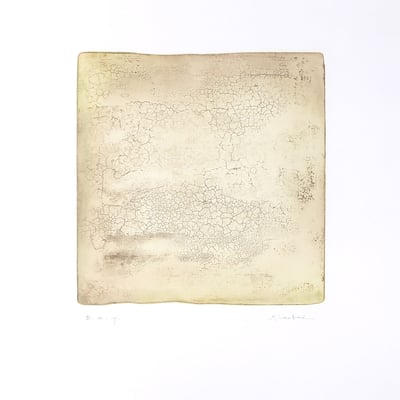
Xiaobai Su
Intactness B , 2015
Limited Edition Print
Etching
Currently Not Available
Related Artists
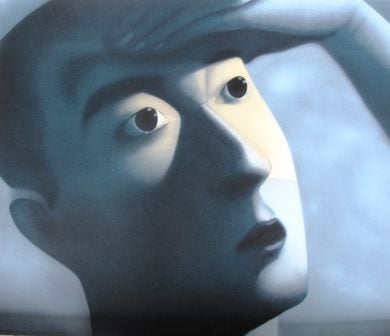
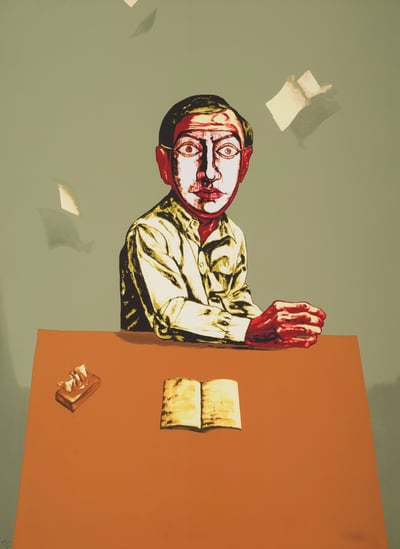

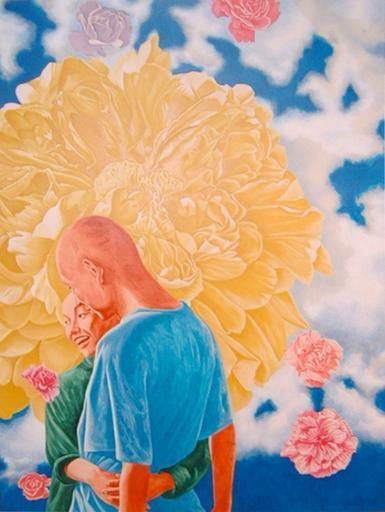

Artwork by Feng Zhengjie
What is Chinese contemporary art?
Chinese Contemporary Art is marked by a wide range of styles and experimental approaches. In the 1980s, avant-garde exhibitions were often shut down by government officials. The 1990s saw the rise of political pop and cynical realism, while China's One-Child Policy influenced artists to explore the individual as a subject matter.


