

Jonathan Monk
© Jonathan Monk. All rights reserved.
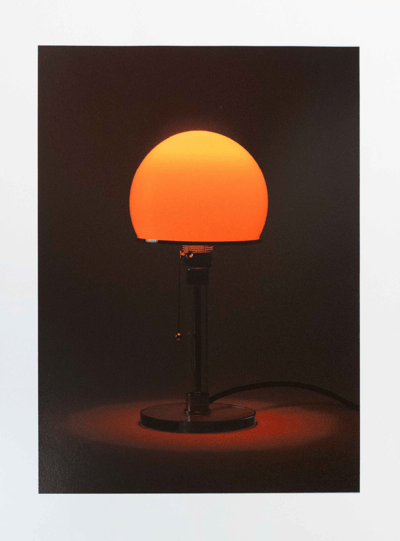
Jonathan Monk
Wagenfeld Sunsets I-VI, 376 B3, 2019
Photography
Inkjet print
EUR 1,500
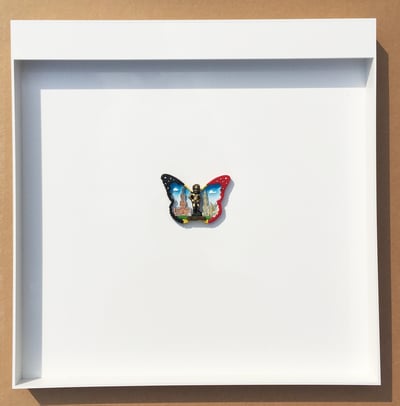
Jonathan Monk
Backside Brussels I, 2016
Sculpture / Object
Acrylic sculpture
EUR 800
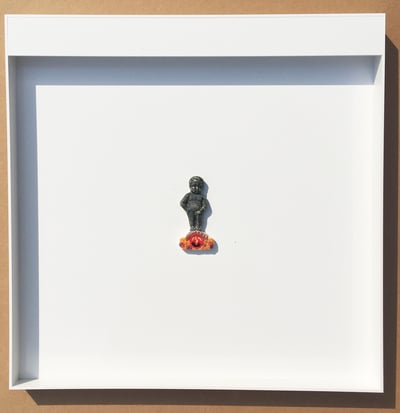
Jonathan Monk
Backside Brussels II, 2016
Sculpture / Object
Acrylic sculpture
EUR 800
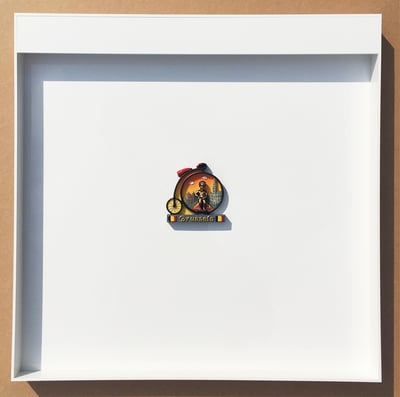
Jonathan Monk
Backside Brussels III, 2016
Sculpture / Object
Acrylic sculpture
EUR 800
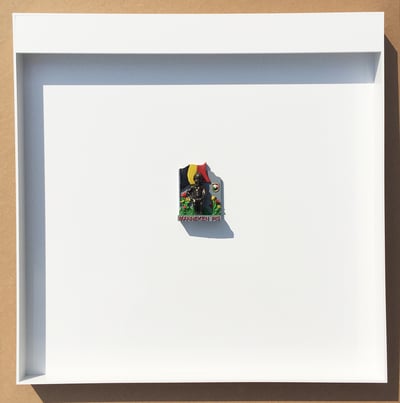
Jonathan Monk
Backside Brussels IV, 2016
Sculpture / Object
Acrylic sculpture
EUR 800

Jonathan Monk
The idea of an empty sliding, 2015
Limited Edition Print
Monotype
EUR 3,000
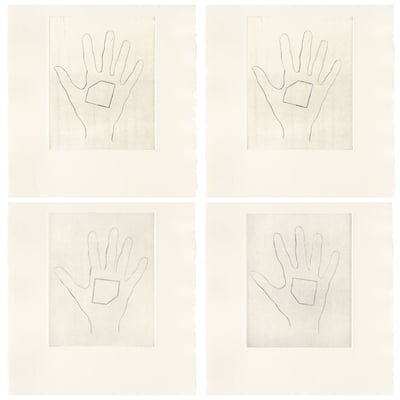
Jonathan Monk
My Left Hand Holding a Square 4, 2008
Limited Edition Print
Drypoint
EUR 3,000
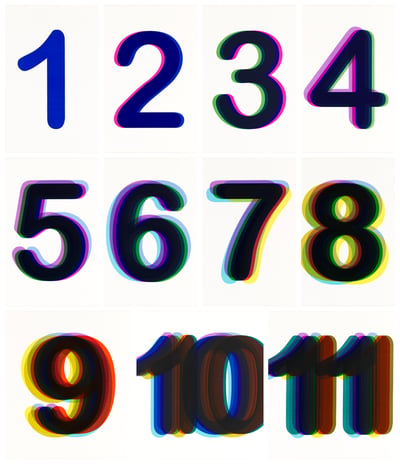
Jonathan Monk
COUNTING IN COLOUR, 2010
Limited Edition Print
Lithograph
EUR 3,200
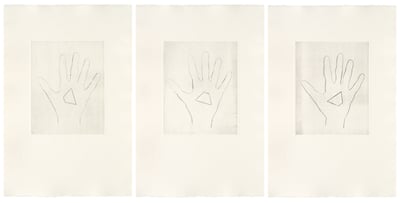
Jonathan Monk
My Left Hand Holding a Piece 3 , 2008
Limited Edition Print
Drypoint
Currently Not Available
- Jonathan Monk
Related Artists



Related Articles

Art Movements - August 2, 2024
The Evolution of Artistic Expression: A Look at the Impact of Social Media on Contemporary Art
Explore how social media reshapes artistic expression! Discover its role in connecting artists, fostering creativity, and transforming contemporary art.Read More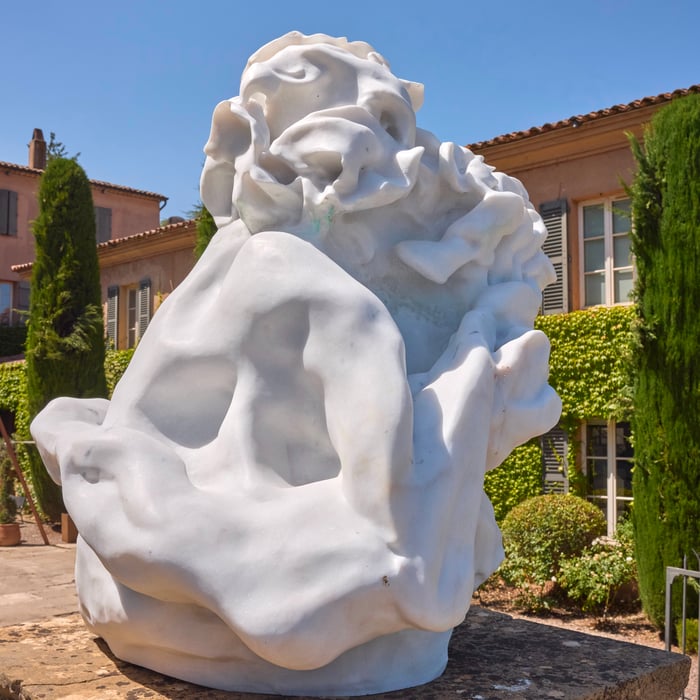
News, Popular, Collecting, Artists - August 12, 2026
In Minor Keys: Finding Intimacy and Identity at the 61st Venice Biennale — and in Your Collection
Explore how Koyo Kouoh’s 61st Venice Biennale vision, In Minor Keys, is shifting contemporary collecting toward quiet introspection, memory, and personal identi…Read More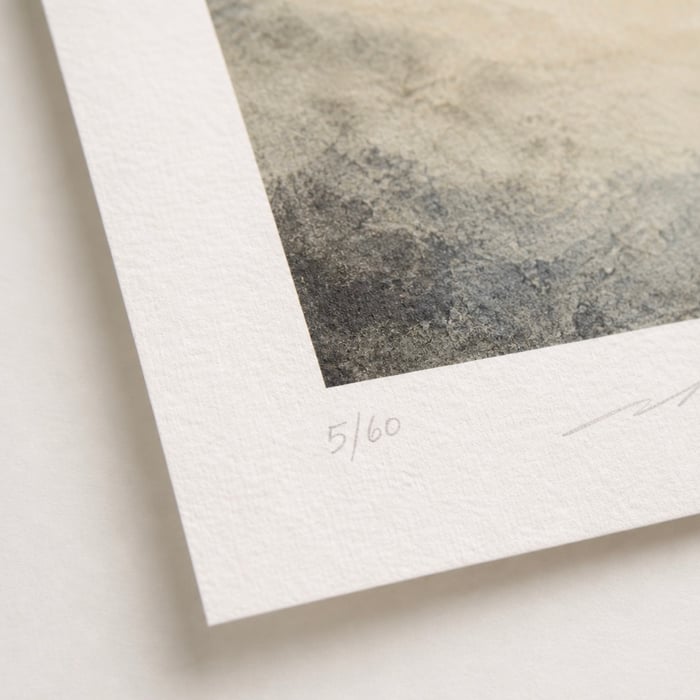
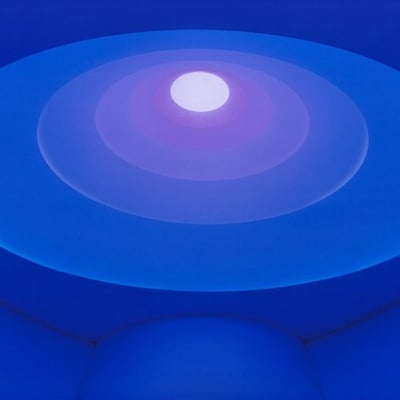 Artwork by James Turrell
What is ‘light and space’?
The Light and Space Movement refers to loosely affiliated art movements connected to minimalism, geometric abstraction, and op art that originated in Southern California in the 1960s. Greatly influenced by artist John McLaughlin, these artists focused on sensory phenomena such as light, perception, and space as central elements of their work. They also incor…
Explore »

