

Argentina
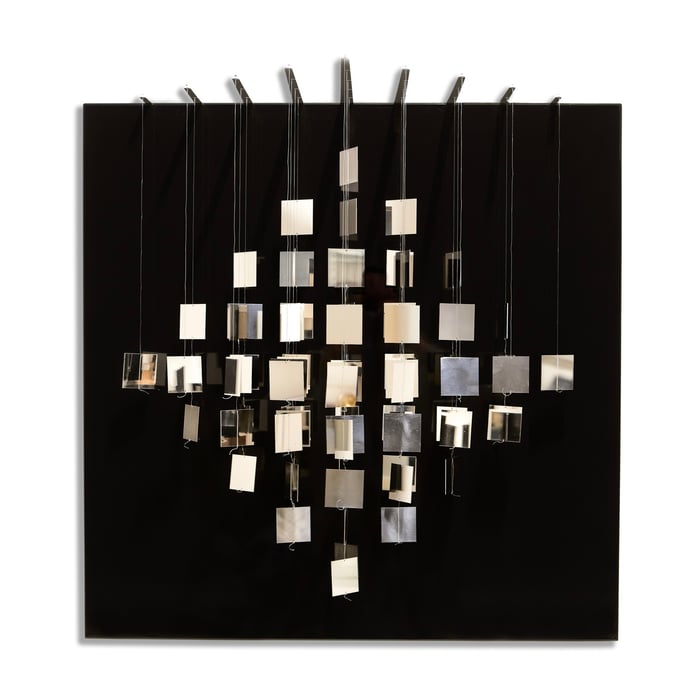
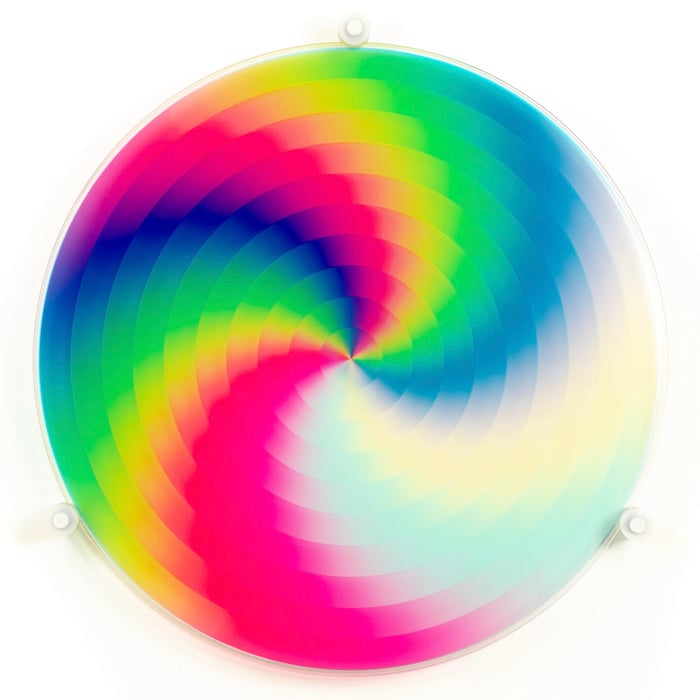
Contemporary Art in Argentina is a vibrant fusion of traditional and modern influences, reflecting the country's rich cultural heritage and dynamic spirit. From Buenos Aires, the heart of Argentina's art scene, to the innovative galleries scattered across the country, Argentine contemporary art is a testament to the nation's creative prowess. Artists such as Julio Le Parc and Felipe Pantone have gained international acclaim, showcasing the unique Argentine perspective to the world. The annual arteBA fair further highlights Argentina's commitment to contemporary art, attracting collectors and enthusiasts from around the globe.
- Show All
- Established
- Discoveries
- Show All
Artworks Related to Argentina

Antonio Asis
boules tactiles sur font rouge, 2015
Sculpture / Object
Mixed Media
EUR 3,000

Horacio García Rossi
Boite à lumières, 2012
Sculpture / Object
Mixed Media
EUR 3,000
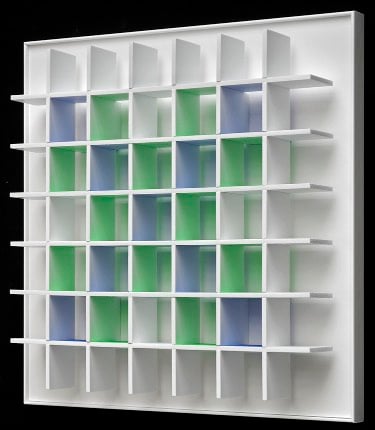
Luis Tomasello
Grille Chromoplastique c, 2012
Sculpture / Object
Acrylic sculpture
EUR 2,000
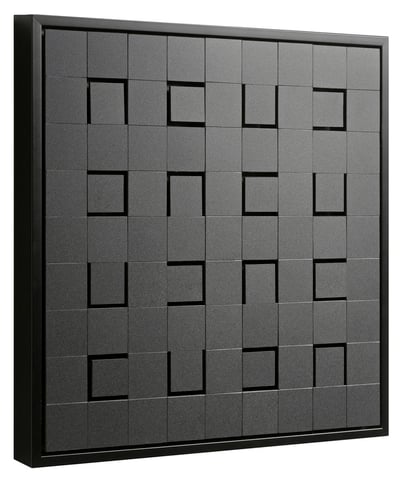
Luis Tomasello
Lumiere Noire, 2011
Sculpture / Object
Mixed Media
EUR 2,500

Luis Tomasello
ST 1, 2012
Sculpture / Object
Mixed Media
EUR 2,200
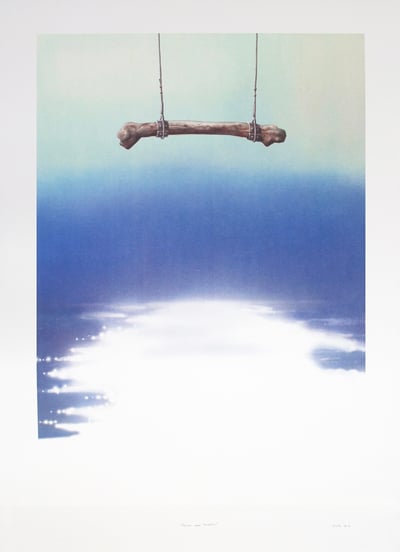
Adrián Villar Rojas
Poemas para terrestres, 2012
Limited Edition Print
Lithograph
EUR 900
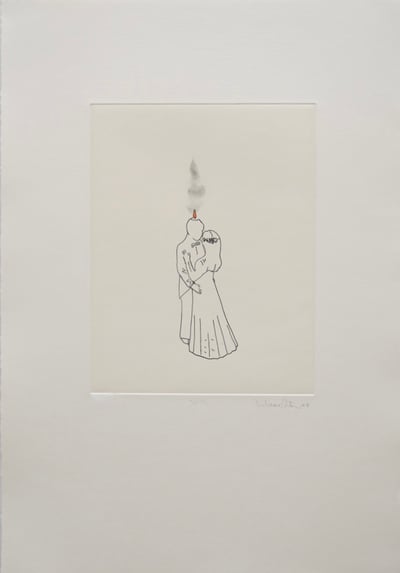
Liliana Porter
Vals , 2007
Limited Edition Print
Etching
EUR 1,400
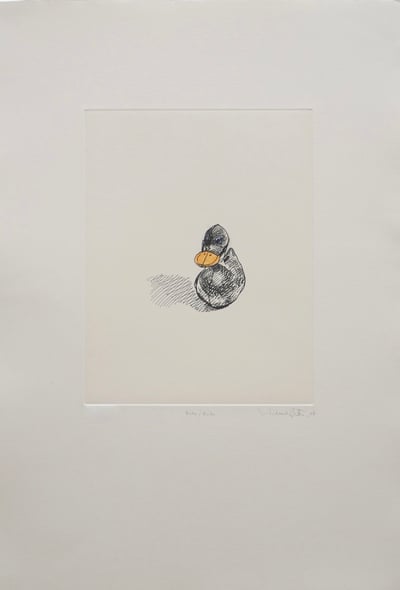
Liliana Porter
Pato, 2007
Limited Edition Print
Etching
EUR 1,400

Liliana Porter
Concierto, 2007
Limited Edition Print
Etching
EUR 1,400

Liliana Porter
Mono, 2007
Limited Edition Print
Etching
EUR 1,400
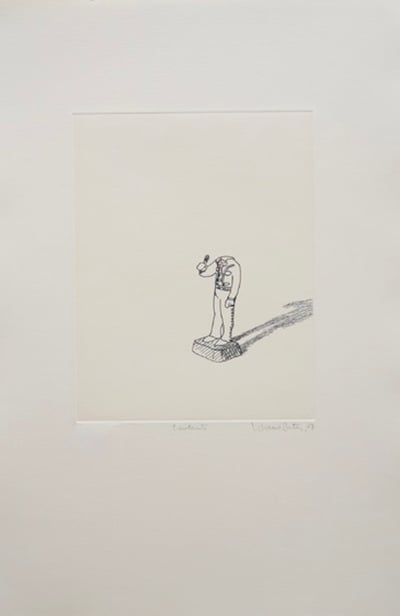
Liliana Porter
Cantante, 2007
Limited Edition Print
Etching
EUR 1,400
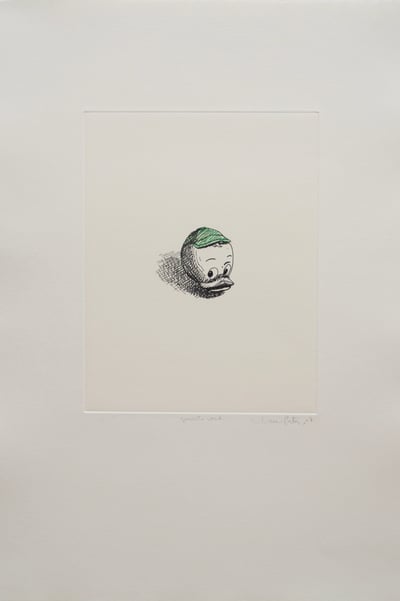
Liliana Porter
Gorrito verde, 2007
Limited Edition Print
Etching
EUR 1,400
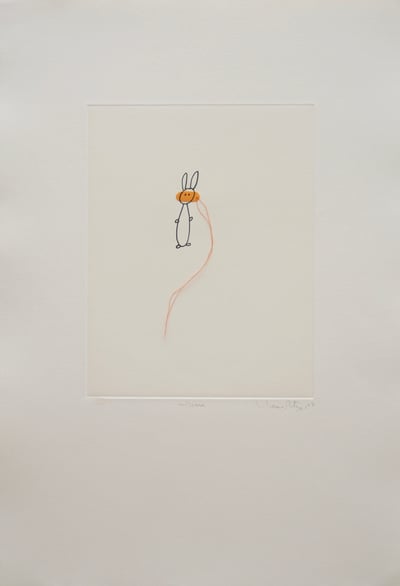
Liliana Porter
Máscara, 2007
Limited Edition Print
Etching
EUR 1,400
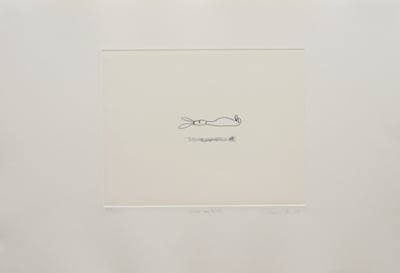
Liliana Porter
Conejo que levita, 2007
Limited Edition Print
Etching
EUR 1,400

Liliana Porter
Concierto II, 2007
Limited Edition Print
Etching
EUR 1,400

Liliana Porter
Sin título con nazi , 2005
Limited Edition Print
Lithograph
EUR 1,800
Related Articles
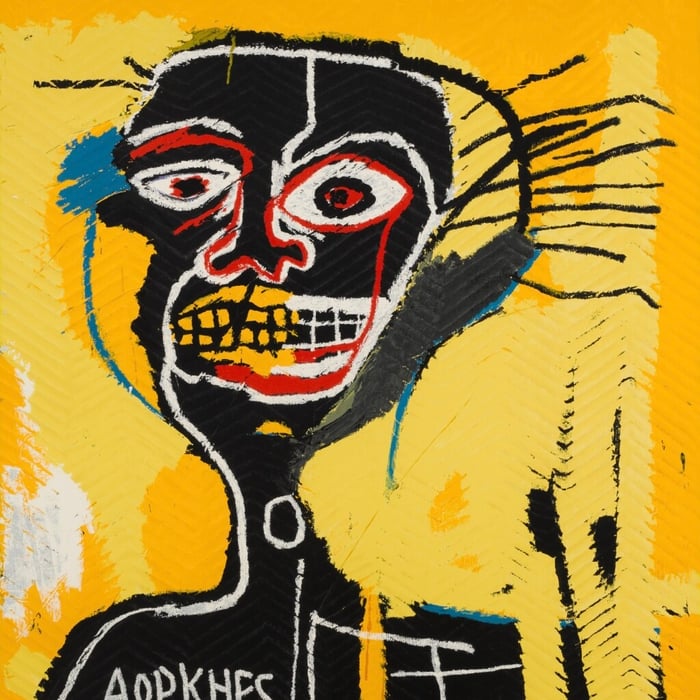
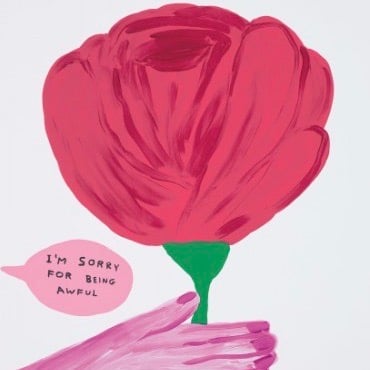
Naïve art describes a style of artwork that is simple and unsophisticated, often created by artists without formal training in an academy or art school. The style is characterized by a lack of advanced techniques, giving it a childlike appearance. Naïve art often features bright colors, simple shapes, and a straightforward approach to subject matter, reflecting the artist's untrained perspective.
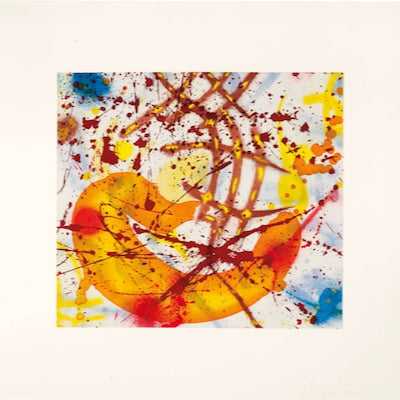
Action Painting is a style of painting where the physical act of creating art—such as gestural brushstrokes, splashing or dripping paint, or moving and dancing while applying paint—is considered essential to the artwork itself. This approach emphasizes the artist's movement and spontaneity as integral to the creative process.

Situationism is a psychological theory that gained prominence in 1968, following the publication of a monograph by Walter Mischel that sparked the Person-situation debate. This theory argues that behavior is primarily influenced by external situational factors rather than internal traits or motivations, challenging the ideas of trait theorists like Raymond B. Cattell and Hans Eysenck, who emphasized stable personality traits. It is important not to confuse this with the Situationist International movement, an artistic and political movement founded by Asger Jorn, which focused on the critique of modern consumer society and the influence of environments on human behavior.
Can't find your Answer?
Thank you! Your question has been sent — we'll get back to you shortly.
