

Argentina
Contemporary Art in Argentina is a vibrant fusion of traditional and modern influences, reflecting the country's rich cultural heritage and dynamic spirit. From Buenos Aires, the heart of Argentina's art scene, to the innovative galleries scattered across the country, Argentine contemporary art is a testament to the nation's creative prowess. Artists such as Julio Le Parc and Felipe Pantone have gained international acclaim, showcasing the unique Argentine perspective to the world. The annual arteBA fair further highlights Argentina's commitment to contemporary art, attracting collectors and enthusiasts from around the globe.
- Show All
- Established
- Discoveries
- Show All
Artworks Related to Argentina
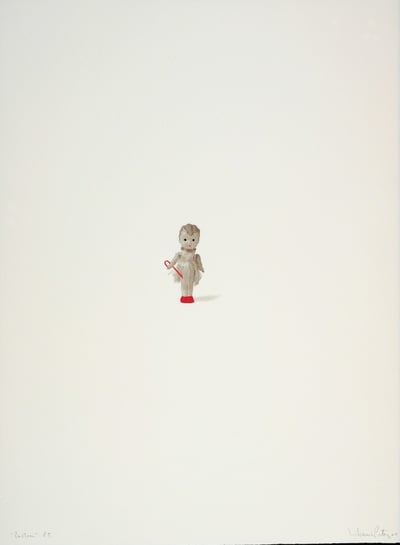
Liliana Porter
Pastora, 2005
Limited Edition Print
Lithograph
EUR 1,800
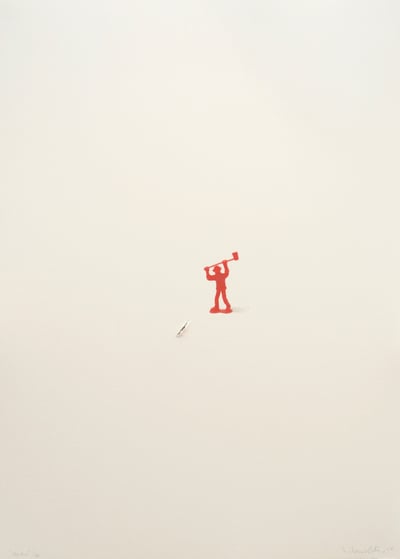
Liliana Porter
Hacha, 2005
Limited Edition Print
Lithograph
EUR 1,800

Liliana Porter
Situación, 2005
Limited Edition Print
Lithograph
EUR 1,800

Liliana Porter
Diálogo con eso, 2005
Limited Edition Print
Lithograph
EUR 2,200
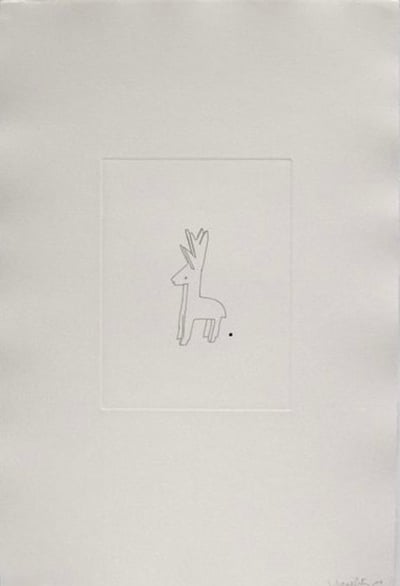
Liliana Porter
Shit, 2005
Limited Edition Print
Etching
EUR 1,400

Liliana Porter
Elvis , 2010
Limited Edition Print
Lithograph
EUR 2,400
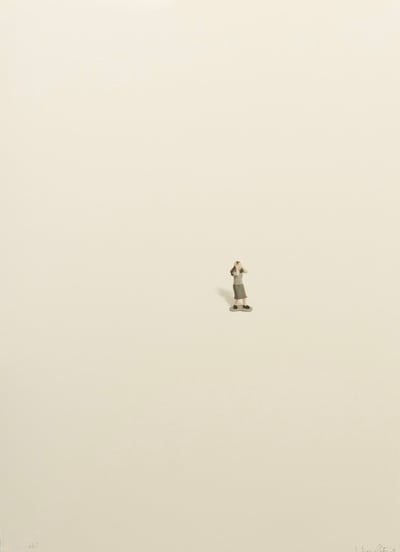
Liliana Porter
Oh!, 2010
Limited Edition Print
Lithograph
EUR 2,400

Liliana Porter
Stone, 2010
Limited Edition Print
Lithograph
EUR 2,300

Liliana Porter
The Task , 2010
Limited Edition Print
Lithograph
EUR 2,300

Liliana Porter
The Offer, 2010
Limited Edition Print
Lithograph
EUR 2,300
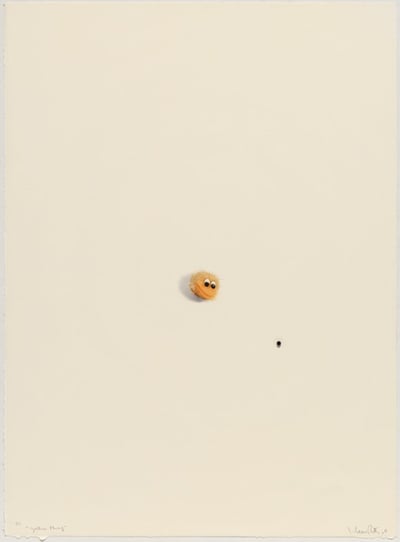
Liliana Porter
Yellow thing, 2010
Limited Edition Print
Lithograph
EUR 2,300
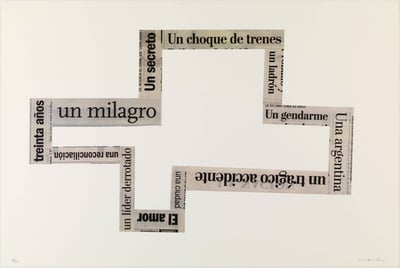
Jorge Macchi
El secreto, 2011
Limited Edition Print
Lithograph
EUR 1,200

Jorge Macchi
Las Horas, 2011
Limited Edition Print
Lithograph
EUR 1,200
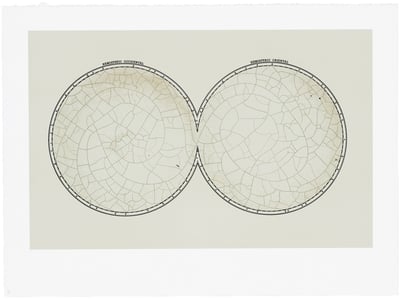
Jorge Macchi
Old World, 2007
Limited Edition Print
Lithograph
EUR 1,000
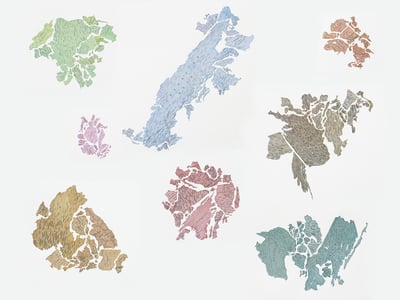
Jorge Macchi
New World, 2009
Limited Edition Print
Lithograph
EUR 1,500
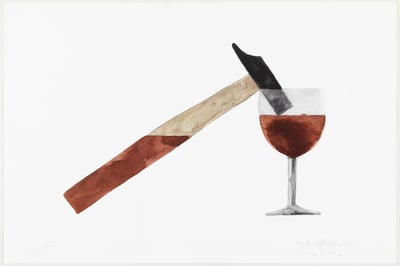
Jorge Macchi
Drunk, 2010
Limited Edition Print
Lithograph
EUR 1,200
Related Articles
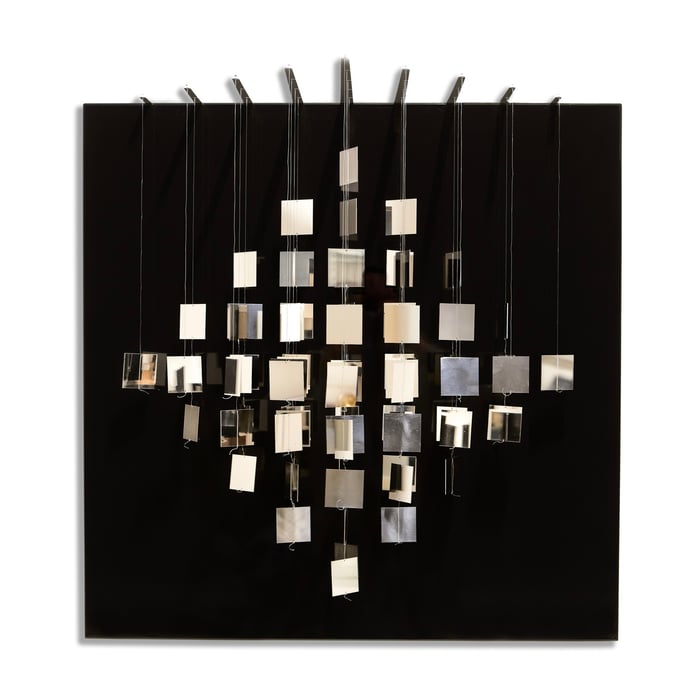
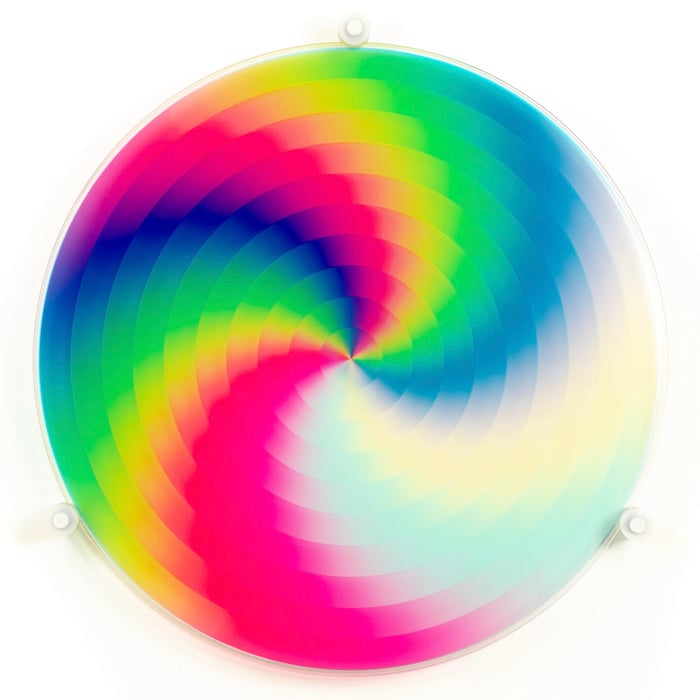
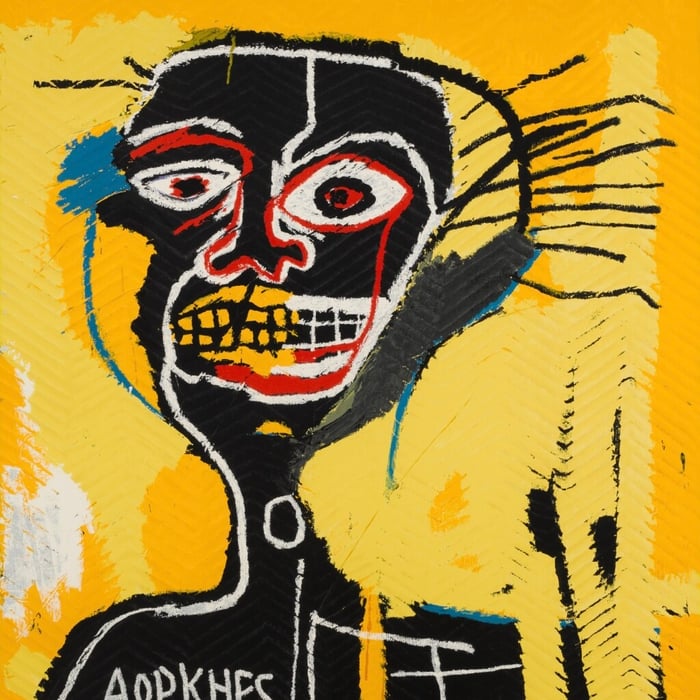

Appropriation in art involves using pre-existing images or objects with little or no modification. This technique has played a significant role across various art forms, including visual arts, music, performance, and literature. In visual arts, appropriation refers to the practice of adopting, sampling, recycling, or borrowing elements—or even entire forms—of existing visual culture, integrating them into new works to create meaning or critique.

Queer Aesthetics refers to an art movement that emerged in the 1980s, focusing on themes of homosexuality, lesbianism, and broader issues of identity and gender. This movement gained momentum in the context of the AIDS crisis and the feminist movement, challenging traditional representations of sexuality and gender. Queer Aesthetics often explores the fluidity of gender and identity, as seen in the works of artists like Nan Goldin, who is known for her photography of individuals with ambiguous or non-conforming gender presentations.

Perspective refers to the techniques artists use to represent three-dimensional objects on a two-dimensional surface. These techniques create the illusion of depth and space, making objects appear as they do in the real world, despite the limitations of a flat surface. Common types of perspective include linear and atmospheric perspective.
Can't find your Answer?
Thank you! Your question has been sent — we'll get back to you shortly.
