

Argentina
Contemporary Art in Argentina is a vibrant fusion of traditional and modern influences, reflecting the country's rich cultural heritage and dynamic spirit. From Buenos Aires, the heart of Argentina's art scene, to the innovative galleries scattered across the country, Argentine contemporary art is a testament to the nation's creative prowess. Artists such as Julio Le Parc and Felipe Pantone have gained international acclaim, showcasing the unique Argentine perspective to the world. The annual arteBA fair further highlights Argentina's commitment to contemporary art, attracting collectors and enthusiasts from around the globe.
- Show All
- Established
- Discoveries
- Show All
Artworks Related to Argentina

Luis Tomasello
S/T 1 - Verde, 2013
Limited Edition Print
Lithograph
EUR 3,000
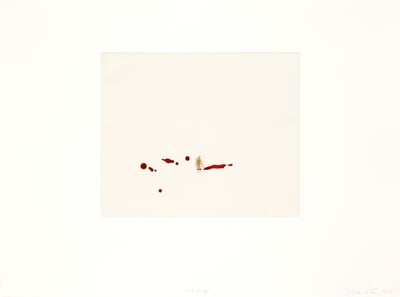
Liliana Porter
Red drips, 2019
Limited Edition Print
Etching
Currently Not Available

Antonio Asis
Vibration 9 petits et 4 grands cercles, 2010
Sculpture / Object
Mixed Media
EUR 3,000

Luis Tomasello
s/t 2, 2012
Sculpture / Object
Mixed Media
EUR 2,200

Luis Tomasello
s/t 3, 2012
Sculpture / Object
Mixed Media
EUR 2,200

Julio Le Parc
Vase surface colorée, 2017
Ceramics
Ceramic
EUR 500

Julio Le Parc
Tulles – lumières, 2019
Sculpture / Object
Object
EUR 5,000

Julio Le Parc
Cercles par déplacement (small), 2016
Sculpture / Object
Acrylic sculpture
EUR 300

Julio Le Parc
Image virtuel par déplacement, 2016
Sculpture / Object
Acrylic sculpture
EUR 300
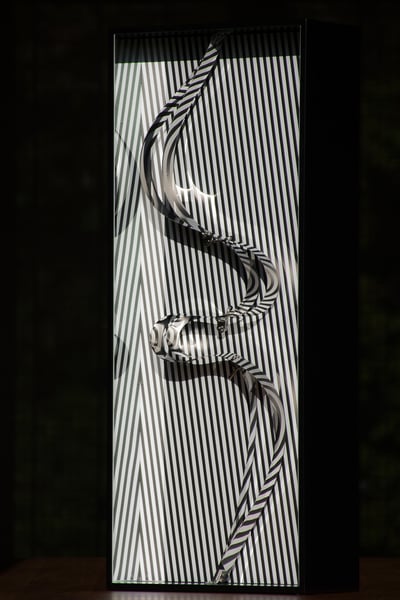
Julio Le Parc
Formes en Contorsions , 1967 - 2018
Sculpture / Object
Mixed Media
Inquire For Price
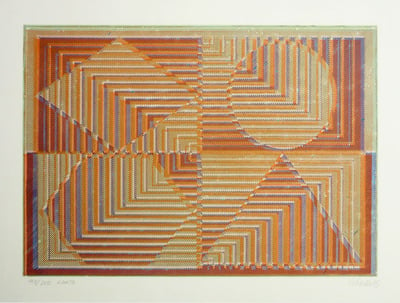
Rogelio Polesello
Ágata, 1975
Limited Edition Print
Serigraph
Currently Not Available

César Paternosto
Argonaut , 2008
Limited Edition Print
Lithograph
Currently Not Available

César Paternosto
Untitled 1, 2019
Limited Edition Print
Lithograph
EUR 2,000

Liliana Porter
Mask, 2019
Limited Edition Print
Etching
EUR 1,800

Liliana Porter
Correction, 2019
Limited Edition Print
Etching
EUR 1,800

Liliana Porter
Black drips, 2019
Limited Edition Print
Etching
Currently Not Available
Related Articles

Décollage is an art technique involving the removal, cutting, or tearing away of parts of an original image. The term comes from the French word meaning to take off or to unstick. Artists use this method to challenge or replace existing values, often symbolically tearing away influences from media or conventional thinking.

Bronze is a metal alloy made primarily of copper and tin, with a typical modern composition of 88% copper and 12% tin. Over time, bronze develops a patina, a surface color that often turns deep green due to oxidation. Large bronze objects, such as sculptures, are typically made in foundries. Bronze is valued for its durability and has been widely used throughout history for art, tools, and weapons.

Neo-Figurative Art is a collective term that refers to the revival of figurative art in America and Europe during the 1960s, following a period dominated by abstraction. Michel Ragon, a French art critic, argued that this resurgence of figuration occurred during a critical time of social and political upheaval in both regions.
Can't find your Answer?
Thank you! Your question has been sent — we'll get back to you shortly.
