

Cuba
Cuba's contemporary art scene offers a rich tapestry of creativity, profoundly shaped by its complex socio-political history. The Havana Biennial and the National Museum of Fine Arts are key hubs of Cuban artistic expression. Artists like Yoan Capote and Tania Bruguera powerfully merge art with activism, contributing to Cuba's dynamic art landscape. Visit Composition Gallery's website to further explore the compelling world of Cuban contemporary art.
- Show All
- Established
- Discoveries
- Show All
Artworks Related to Cuba

Carmen Herrera
Verde y Rojo, 2019
Limited Edition Print
Screen-print
Inquire For Price

Carmen Herrera
Untitled NRW, 2017
Limited Edition Print
Lithograph
GBP 8,300

Carmen Herrera
The Way, 2017
Limited Edition Print
Lithograph
GBP 9,900

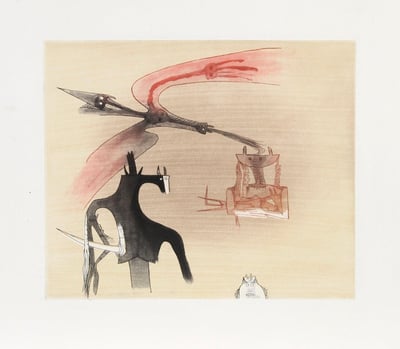
Wifredo Lam
Contre une maison sèche (light), 1977
Limited Edition Print
Etching and Aquatint
USD 1,100
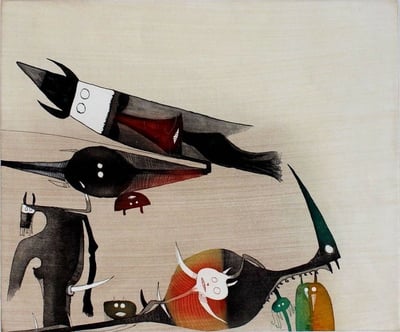
Wifredo Lam
Contre une maison sèche (red), 1977
Limited Edition Print
Etching and Aquatint
USD 1,100
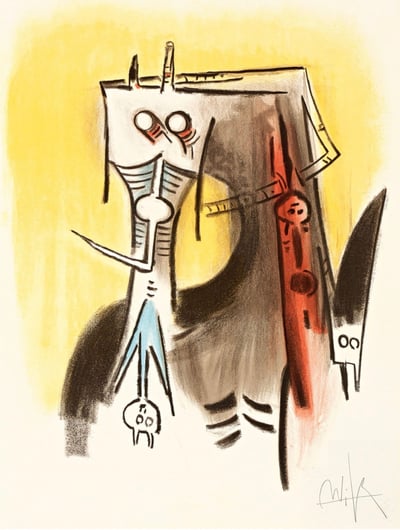
Wifredo Lam
Sans titre - XXe siecle plate #5, 1977
Limited Edition Print
Etching and Aquatint
USD 1,100
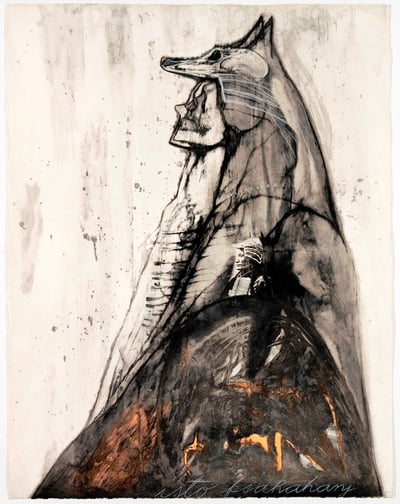
Wifredo Lam
Le regard vertical #1, 1973
Limited Edition Print
Lithograph
Currently Not Available
José Bedia
Isto psakahanj, 2008
Limited Edition Print
Etching
EUR 2,000
Related Articles
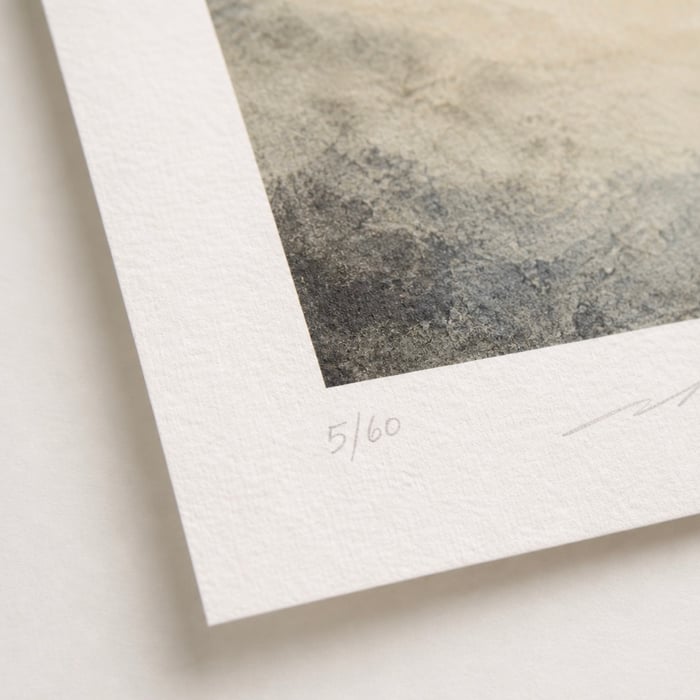

Digital print on canvas is a technology used to create fine art prints by reproducing digital photographs or artwork on canvas. The digital images are sent to professional printers that accurately capture variations in color and detail, resulting in high-quality canvas prints.
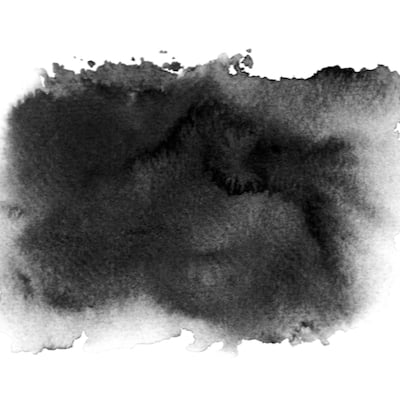
Ink is a colored liquid or paste used for writing, drawing, painting, and printing. The term also refers to the process of applying ink to mark, cover, stain, draw, or trace over pencil lines. Ink can be applied using various tools, such as pens, brushes, and quills.

Orphism is an abstract style of painting influenced by Cubism, developed by Sonia and Robert Delaunay. The term was coined around 1912 by French poet Guillaume Apollinaire to differentiate the Delaunays' work from Cubism, emphasizing their focus on vibrant color and light. The name Orphism is inspired by the Greek musician Orpheus, symbolizing the movement's lyrical and harmonious qualities.
Can't find your Answer?
Thank you! Your question has been sent — we'll get back to you shortly.
