

Japan
Contemporary Art in Japan is a vibrant fusion of traditional aesthetics and modern creativity. Japanese artists, such as Yayoi Kusama and Takashi Murakami, have made significant contributions to the global art scene, creating works that span various mediums and explore themes from societal issues to personal experiences. Tokyo, the heart of Japan's art scene, is home to numerous galleries and museums that showcase this dynamic art form. Japanese contemporary art, thus, serves as a powerful platform for dialogue and expression, pushing boundaries and challenging conventions.
- Show All
- Established
- Discoveries
- Show All
Artworks Related to Japan

Mariko Mori
Sketch of the Wave UFO , 2004
Limited Edition Print
Lithograph
Currently Not Available

Yuko Murata
Untitled (Winter Trees), 2012
Limited Edition Print
Mixed Media
EUR 1,000
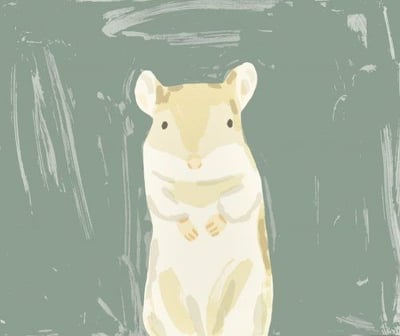
Yuko Murata
Long way , 2012
Limited Edition Print
Lithograph
EUR 1,200

Nobuyoshi Araki
Personal sentimentalism in photography, 2000
Photography
Photograph
Currently Not Available
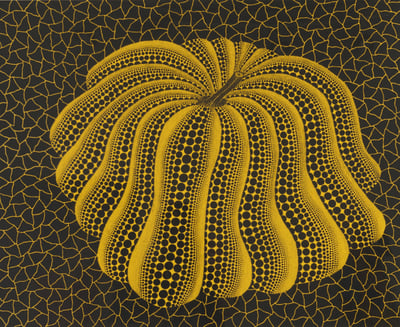
Yayoi Kusama
Pumpkin, 1993
Limited Edition Print
Screen-print
Currently Not Available

Nobuyoshi Araki
Mythology, 2001/2019
Photography
Gelatin Silver Print
EUR 5,000

Mariko Mori
Breathing Stone / Wave UFO, 2007
Sculpture / Object
Acrylic sculpture
EUR 2,490

Nobuyoshi Araki
Polaroid #10, 2009
Photography
Polaroid
EUR 950

Nobuyoshi Araki
Bondage Series #3, 1997
Photography
C-Print
Inquire For Price

Shusaku Arakawa
Natural History, 1969
Limited Edition Print
Serigraph
Currently Not Available
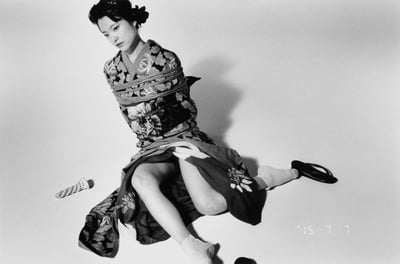
Nobuyoshi Araki
Kaori, 2017
Photography
Gelatin Silver Print
Currently Not Available

On Kawara
One Million Years (Past) and (Future), 2004
Limited Edition Print
Multimedia
Currently Not Available
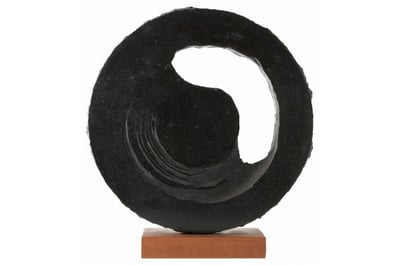
Nobuo Sekine
One Stroke Circle, 1974
Sculpture / Object
Acrylic sculpture
Currently Not Available

Jun Morinaga
Wave, 1975
Photography
Gelatin Silver Print
Currently Not Available
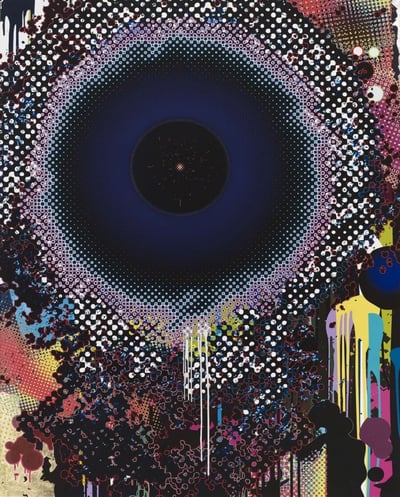
Takashi Murakami
Warp, 2009
Limited Edition Print
Offset Print
EUR 1,500
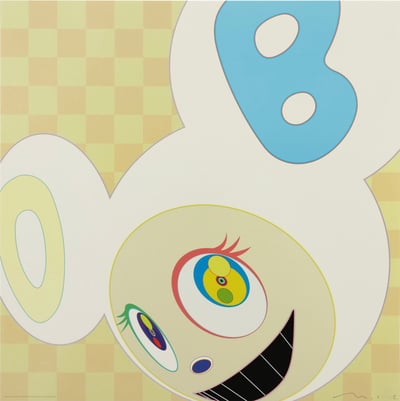
Takashi Murakami
White Reverse Dob, 2006
Limited Edition Print
Offset Print
EUR 2,000
Related Articles
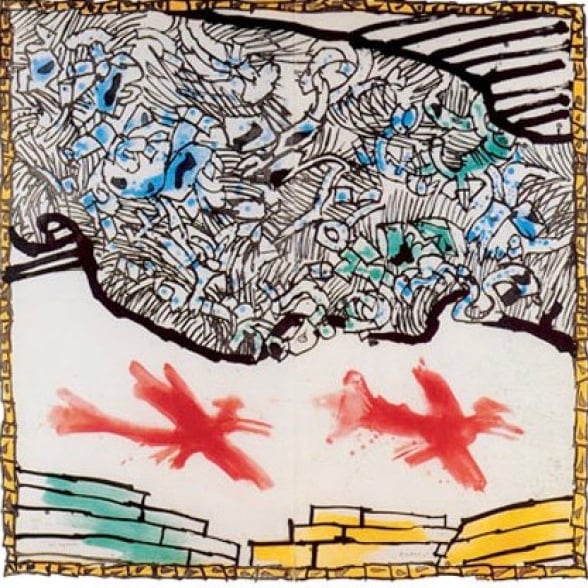
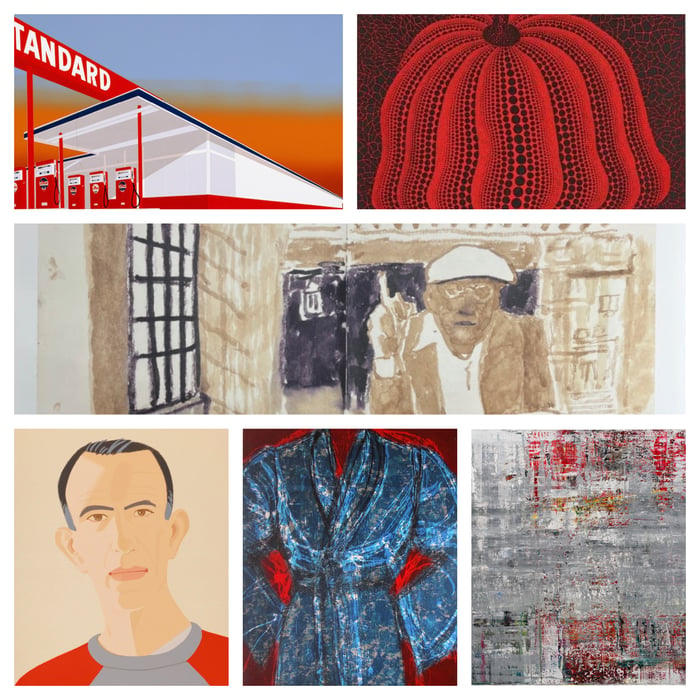

An archival print refers to a fine art reproduction of museum quality, created using the highest quality materials and methods. These prints are produced on the finest papers and with inks specifically designed to resist color fading over time. Drawings and paintings are reproduced using a fine art printer with exceptionally high resolution, ensuring longevity and preservation of the artwork.

Live art is a form of performance that began in the 1960s and is generally exploratory and innovative. It involves a single artist or an artist group presenting the work before a live audience. The performances can include humans, animals, and living plants, often blurring the boundaries between art and life, and encouraging interaction with the audience.

Site-Specific Art is a form of artwork created to exist in a particular location, with the artist considering the site as an integral part of the creative process. Robert Irwin was a key figure in promoting this art form in California. Site-Specific Art emerged as a reaction against modernist objects, which were often portable, commodified, and confined to museum spaces. In contrast, Site-Specific Art is inherently tied to its location, challenging the traditional notions of art as a transportable and marketable commodity.
Can't find your Answer?
Thank you! Your question has been sent — we'll get back to you shortly.
