
United States
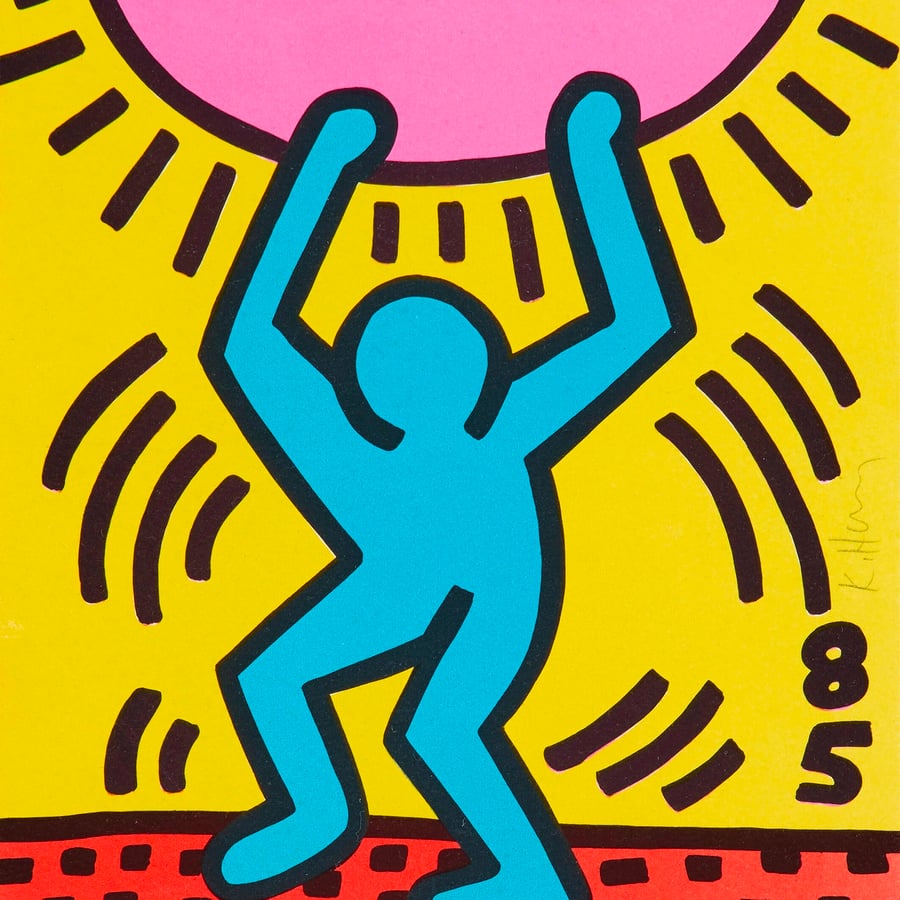
The contemporary art scene in the United States is a dynamic fusion of diverse traditions and avant-garde explorations, resonating across the global art spectrum. Institutions like the Museum of Modern Art in New York and the Los Angeles County Museum of Art are central to this discourse, spotlighting artists from different backgrounds and mediums. Notable figures such as Jeff Koons, known for his monumental public sculptures, and Kara Walker, recognized for her poignant silhouettes and murals, contribute to the vibrant US artistic landscape. Major events like Art Basel Miami further underline the country's role as a nexus of contemporary art. Dive into the robust and compelling art scene of the United States on Composition Gallery's website.
- Show All
- Established
- Discoveries
- Show All
Artworks Related to United States
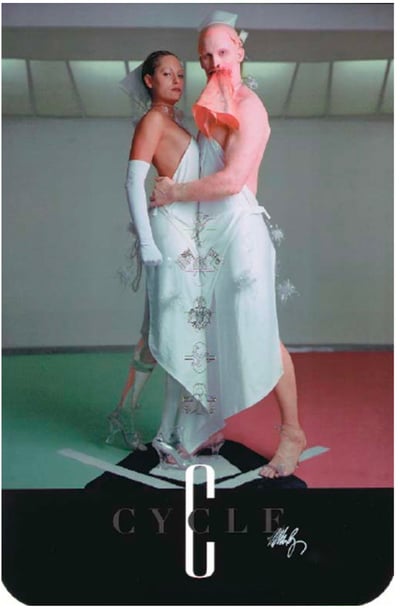
Matthew Barney
Cremaster 3 Mahalym, from The Cremaster Cycle, 1994-2002
Photography
Offset Print
USD 4,500

Alex Katz
Sunrise, 2021
Limited Edition Print
Mixed Media
Inquire For Price
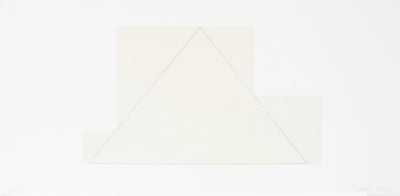
Robert Mangold
Untitled 2 ( from A Book of Silk Screen Prints), 1992
Limited Edition Print
Serigraph
USD 1,100
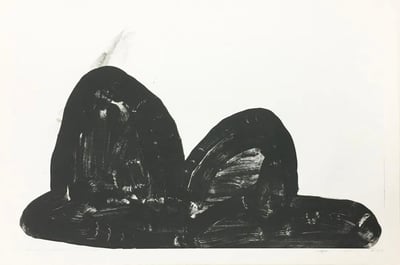
Joel Shapiro
Untitled 1980-1982 II, 1982
Limited Edition Print
Etching and Aquatint
USD 1,650

Joel Shapiro
Untitled (Double Green), 1980
Limited Edition Print
Lithograph
USD 1,990

Joel Shapiro
Untitled (Blue/Black), 1980
Limited Edition Print
Lithograph
USD 1,990

Joel Shapiro
Untitled (Black), 1980
Limited Edition Print
Lithograph
USD 1,990
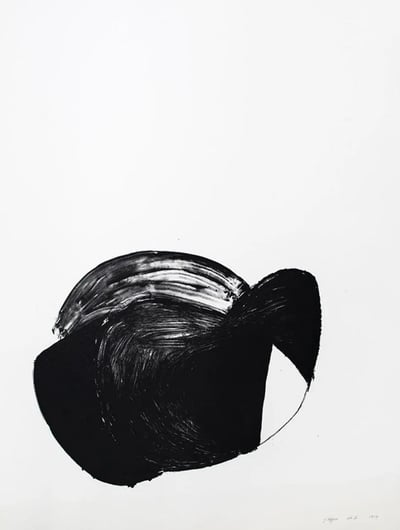
Joel Shapiro
Untitled (5), 1979
Limited Edition Print
Lithograph
USD 1,990
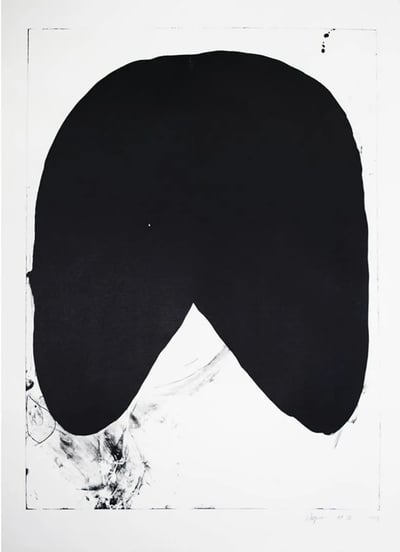
Joel Shapiro
Untitled (4), 1979
Limited Edition Print
Lithograph
USD 1,990
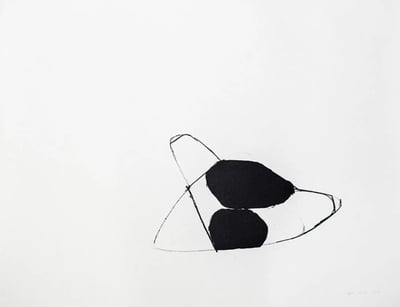
Joel Shapiro
Untitled (3), 1979
Limited Edition Print
Lithograph
USD 1,990
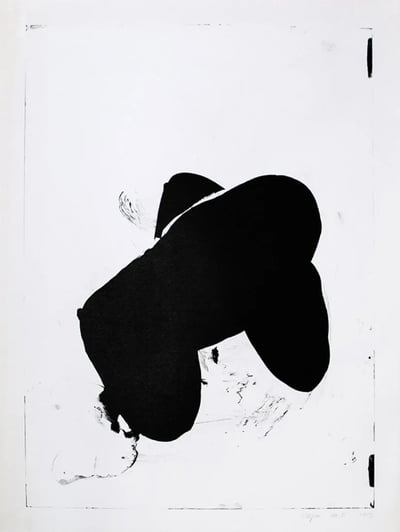
Joel Shapiro
Untitled (2), 1979
Limited Edition Print
Lithograph
Currently Not Available
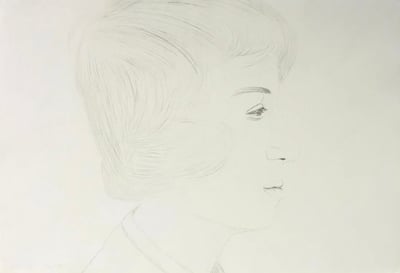
Alex Katz
Profile of Vincent, 1974
Limited Edition Print
Etching
USD 1,900

Claes Oldenburg
Profiterole, 1989
Sculpture / Object
Mixed Media
Currently Not Available

Bert Stern
Lolita (Stanley Kubrick), 2010
Photography
Inkjet print
EUR 2,490
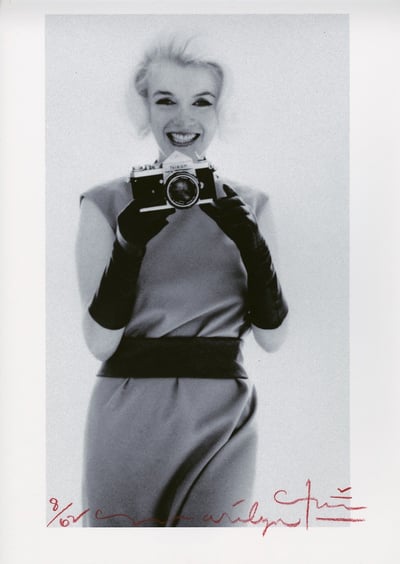
Bert Stern
Marilyn with Bert's Nikon, 2011
Photography
Inkjet print
EUR 2,490
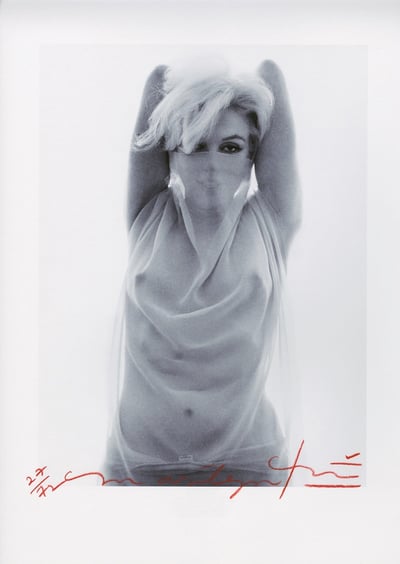
Bert Stern
Marilyn Arabian, 2011
Photography
Inkjet print
EUR 2,490
Related Articles
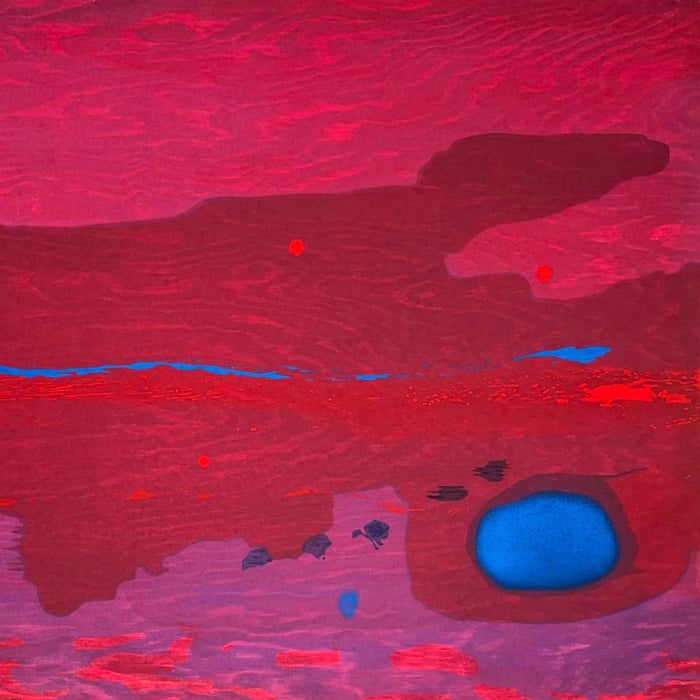
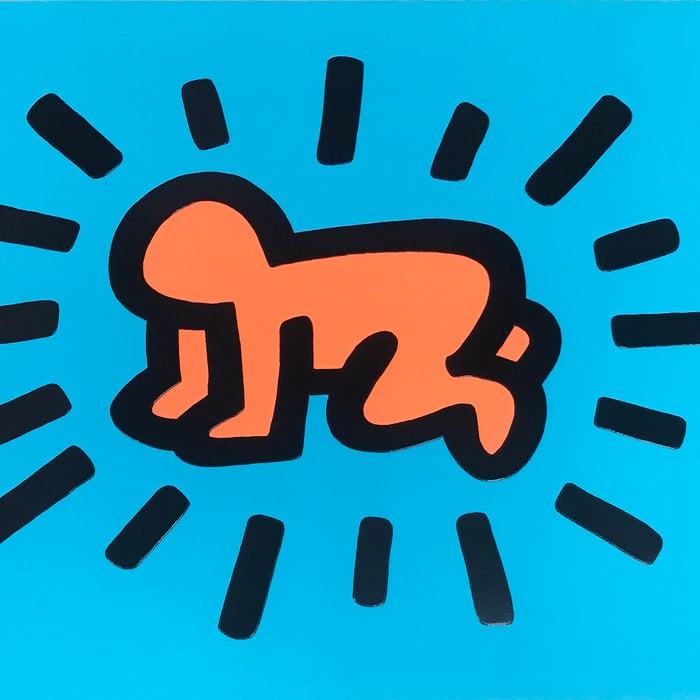
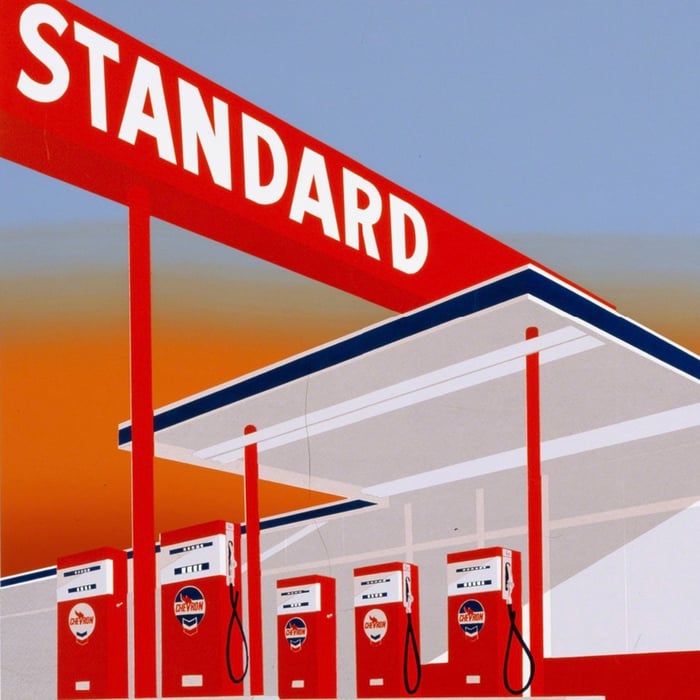

Installation art is a three-dimensional artistic genre that involves site-specific works designed to alter the viewer's perception of space. These works are typically created for interior spaces, such as museums and galleries, but can also be found in private and public locations. Installation art can be temporary or permanent, depending on its purpose and setting.

Space Art is an artistic genre that depicts the cosmic elements of the universe, including celestial bodies, interstellar space, and space exploration. It began in 1865 with the first science-based illustrations by A. de Neuville and Emile Bayard in Jules Verne’s novel From the Earth to the Moon. Space Art has since evolved to include various forms of visual art inspired by astronomical discoveries and the human imagination, playing a key role in visualizing the wonders of space.
Hypermodernism is a cultural and artistic movement that emerged in the late 20th and early 21st centuries, characterized by an intense embrace of technology and a focus on speed, complexity, and the future. This movement often challenges traditional modernist values by emphasizing hyper-reality, where the boundaries between reality and virtuality blur. Hypermodernism is evident in architecture, design, and visual arts, where artists and creators use advanced digital tools and futuristic aesthetics to explore themes of globalization, identity, and the impact of technology on society.
Can't find your Answer?
Thank you! Your question has been sent — we'll get back to you shortly.
