
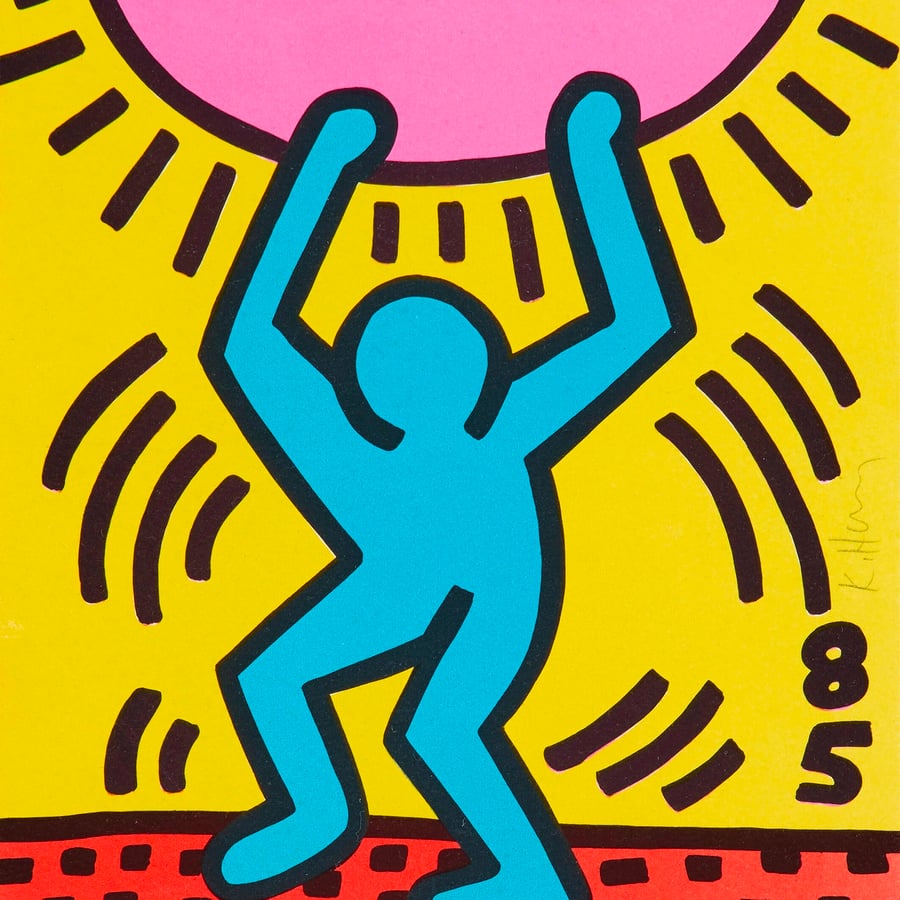
United States
The contemporary art scene in the United States is a dynamic fusion of diverse traditions and avant-garde explorations, resonating across the global art spectrum. Institutions like the Museum of Modern Art in New York and the Los Angeles County Museum of Art are central to this discourse, spotlighting artists from different backgrounds and mediums. Notable figures such as Jeff Koons, known for his monumental public sculptures, and Kara Walker, recognized for her poignant silhouettes and murals, contribute to the vibrant US artistic landscape. Major events like Art Basel Miami further underline the country's role as a nexus of contemporary art. Dive into the robust and compelling art scene of the United States on Composition Gallery's website.
- Show All
- Established
- Discoveries
- Show All
Artworks Related to United States
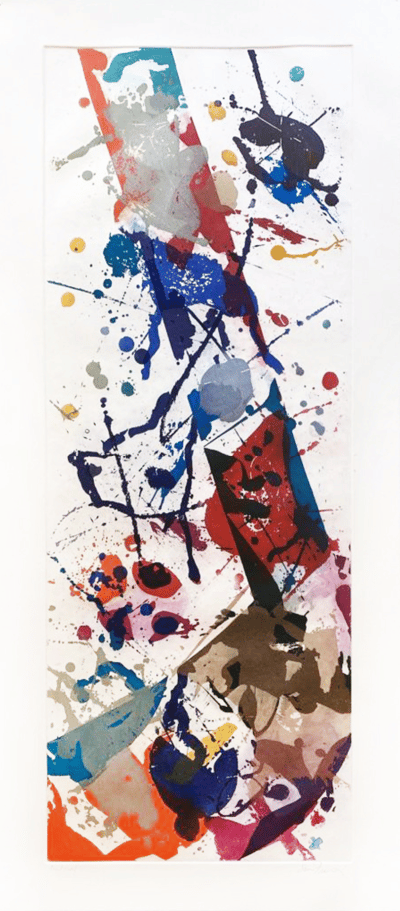
Sam Francis
Untitled (SFE-029), 1983
Limited Edition Print
Aquatint
USD 14,400

Alex Katz
Blue Flags, 2014
Limited Edition Print
Woodblock printing
USD 18,900

Alex Katz
Black Dress 3 (Oona), 2018
Sculpture / Object
Mixed Media
USD 17,750
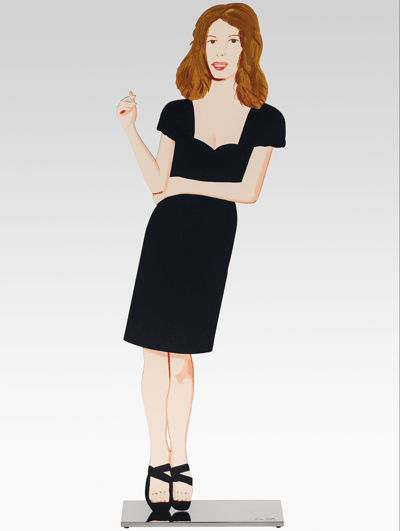
Alex Katz
Black Dress 2 (Cecily) - cutout, 2018
Sculpture / Object
Mixed Media
USD 17,750
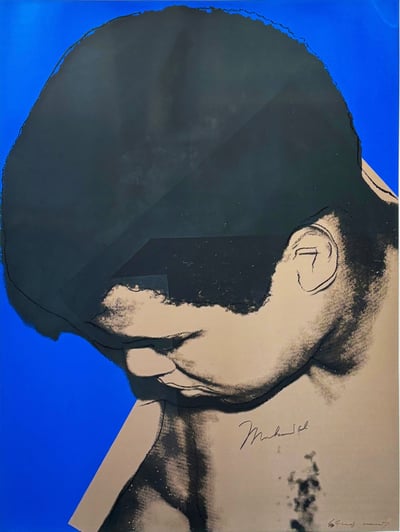
Andy Warhol
Muhammad Ali: Looking Down II.180, 1978
Limited Edition Print
Screen-print
USD 70,000 - 90,000
Andy Warhol
Private Listing
Limited Edition Print
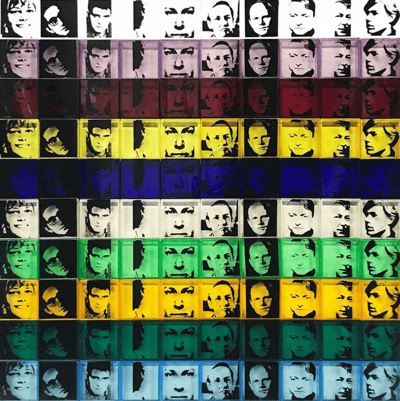
Andy Warhol
Portraits of the Artists II.17, 1967
Limited Edition Print
Mixed Media
USD 45,900
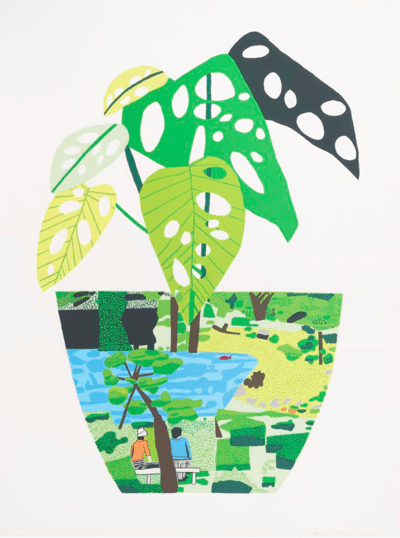
Jonas Wood
Landscape Pot with Plant, 2017
Limited Edition Print
Screen-print
USD 40,000 - 50,000
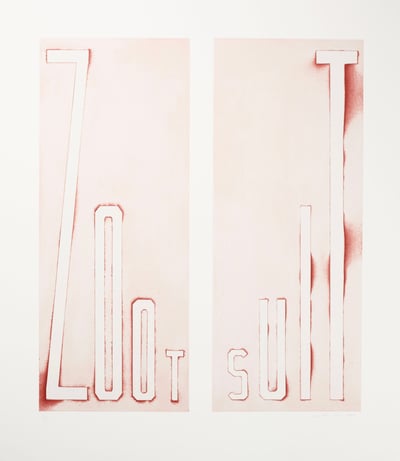
Ed Ruscha
Zoot Suit, 2014
Limited Edition Print
Etching
USD 15,500

Robert Longo
Eric from Men in the Cities (color), 2014
Limited Edition Print
Archival Print
USD 7,200
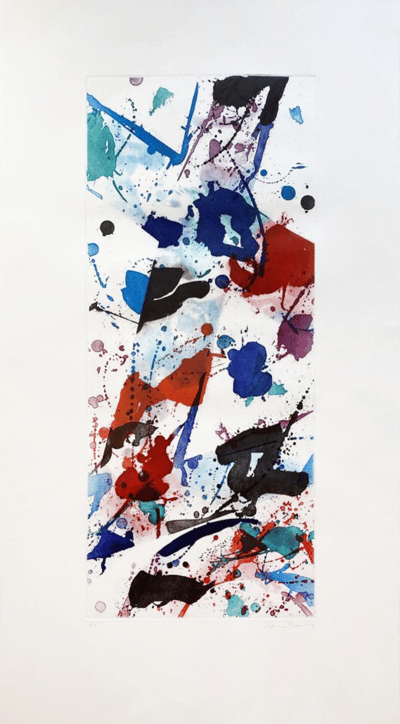
Sam Francis
Untitled (SFE-014), 1984
Limited Edition Print
Aquatint
USD 12,900
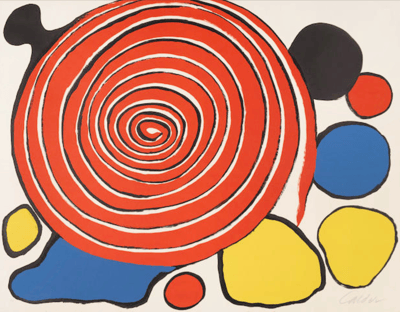
Alexander Calder
Untitled (Red Spiral), c. 1970
Limited Edition Print
Lithograph
USD 9,600
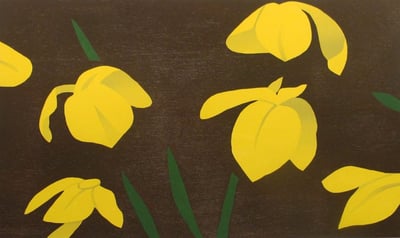
Alex Katz
Yellow Flags, 2013
Limited Edition Print
Woodcut
USD 18,000

Alex Katz
Red house, 2016
Limited Edition Print
Pigment print
USD 18,000

Alex Katz
Coca-Cola Girl 11, 2021
Limited Edition Print
Woodcut
USD 17,750
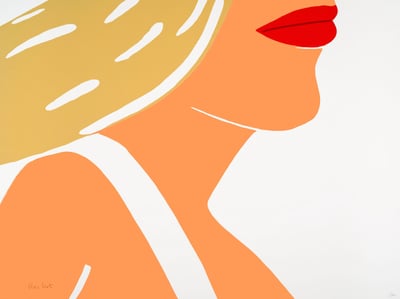
Alex Katz
Coca-Cola Girl 10, 2021
Limited Edition Print
Woodcut
USD 17,750
Related Articles
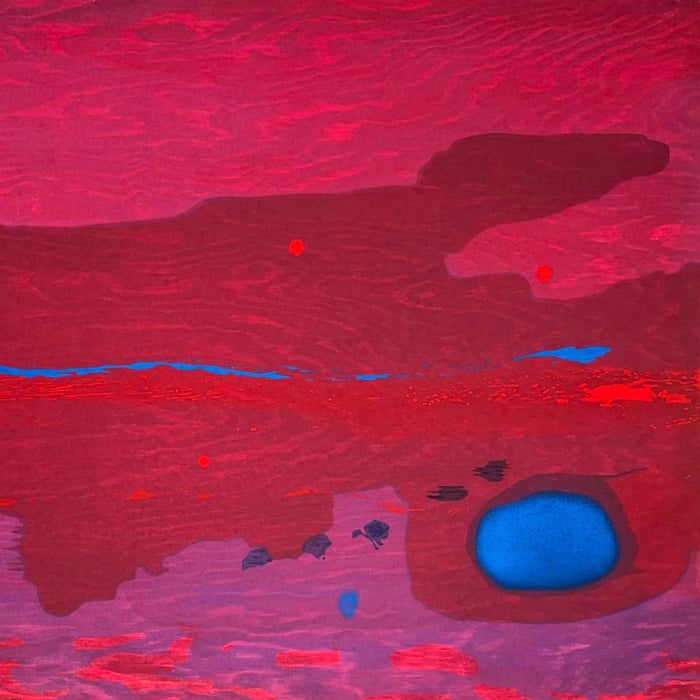
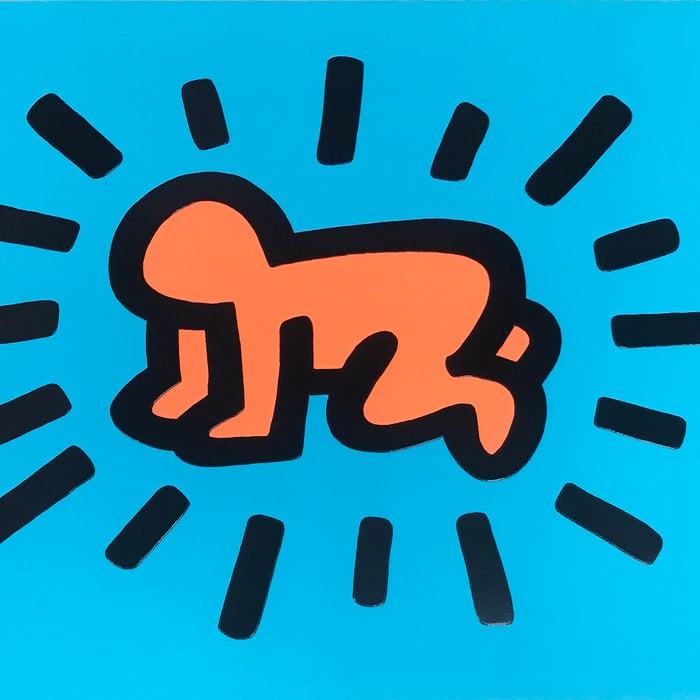
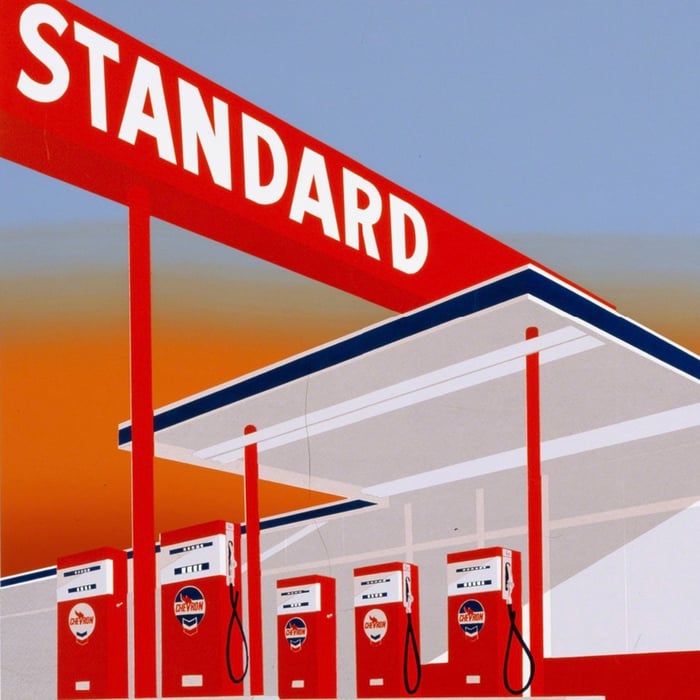
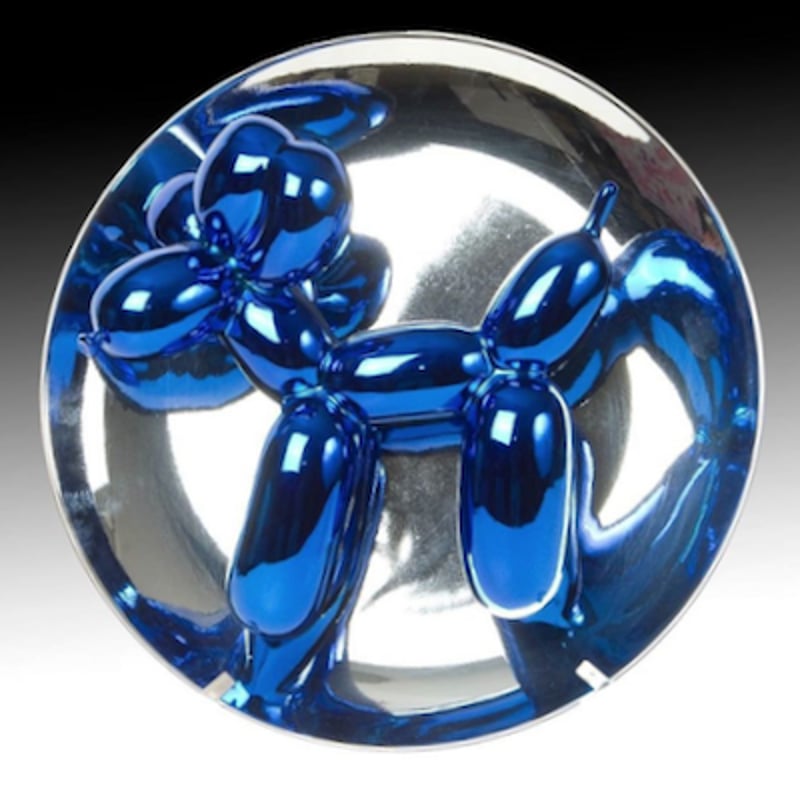
Multiples refer to a series of identical art objects produced in limited editions according to the artist's concept. These works are specifically created for sale and are often considered the most affordable and accessible form of contemporary art. What sets multiples apart is their lack of uniqueness, which is typically seen as essential in traditional artworks. Instead, they offer value and enjoyment while making contemporary art more widely available.

Site-Specific Art is a form of artwork created to exist in a particular location, with the artist considering the site as an integral part of the creative process. Robert Irwin was a key figure in promoting this art form in California. Site-Specific Art emerged as a reaction against modernist objects, which were often portable, commodified, and confined to museum spaces. In contrast, Site-Specific Art is inherently tied to its location, challenging the traditional notions of art as a transportable and marketable commodity.

Bronze is a metal alloy made primarily of copper and tin, with a typical modern composition of 88% copper and 12% tin. Over time, bronze develops a patina, a surface color that often turns deep green due to oxidation. Large bronze objects, such as sculptures, are typically made in foundries. Bronze is valued for its durability and has been widely used throughout history for art, tools, and weapons.
Can't find your Answer?
Thank you! Your question has been sent — we'll get back to you shortly.
