
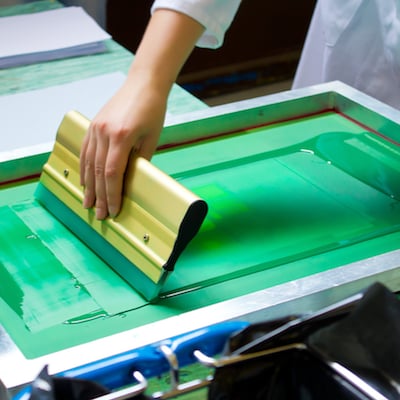
What is a screen-print?
- Show All
- Established
- Discoveries
- Show All
Artworks Related to Screen-print
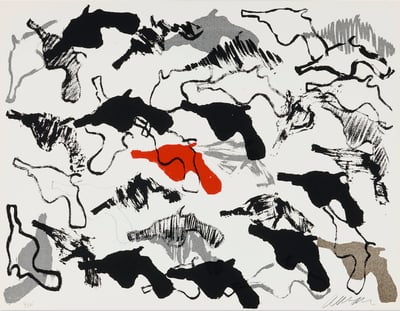
Fernandez Arman
Boom Boom, 1966
Limited Edition Print
Screen-print
Inquire For Price
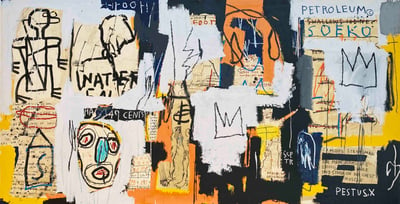
Jean-Michel Basquiat
Phooey, 1982/2021
Limited Edition Print
Screen-print
USD 130,000 - 160,000

Andy Warhol
Satyric Festival Song, II.387, 1986
Limited Edition Print
Screen-print
USD 50,000 - 60,000
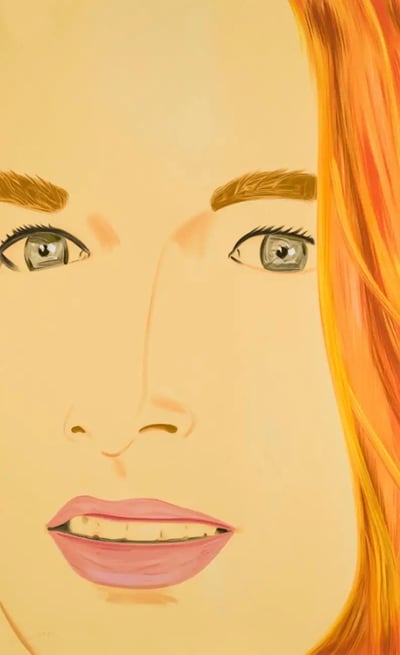
Alex Katz
Ariel 2, 2021
Limited Edition Print
Screen-print
Inquire For Price

Banksy
No Ball Games - grey, 2009
Limited Edition Print
Screen-print
GBP 70,000 - 80,000

Banksy
Laugh Now (unsigned), 2003
Limited Edition Print
Screen-print
GBP 40,000 - 55,000
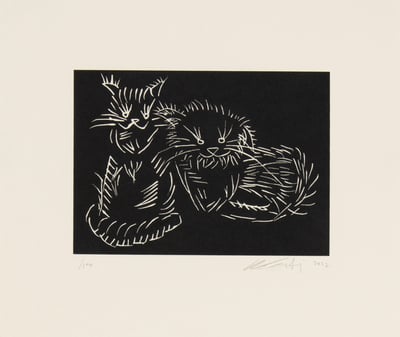
Weiwei Ai
Cats (black), 2022
Limited Edition Print
Screen-print
GBP 3,850
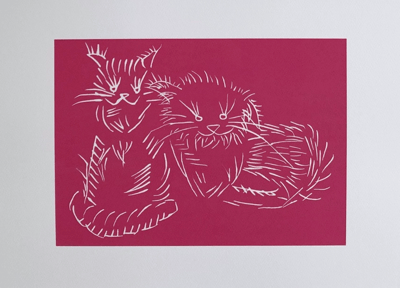
Weiwei Ai
Cats (Pink), 2022
Limited Edition Print
Screen-print
GBP 3,950
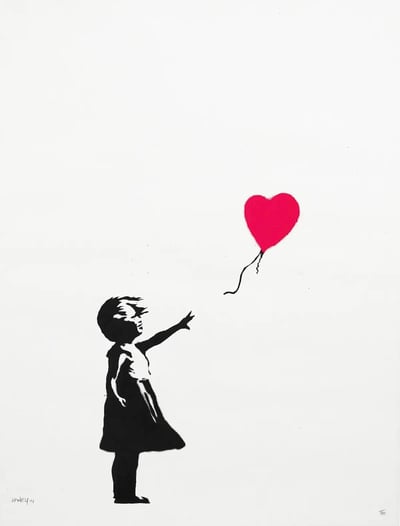
Banksy
Girl With A Balloon, 2004
Limited Edition Print
Screen-print
GBP 240,000 - 270,000

Banksy
Trolley Hunters, 2007
Limited Edition Print
Screen-print
GBP 30,000 - 40,000
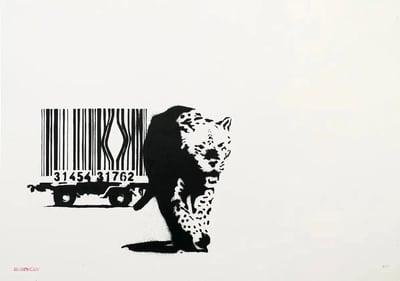
Banksy
Barcode, 2004
Limited Edition Print
Screen-print
GBP 70,000 - 90,000
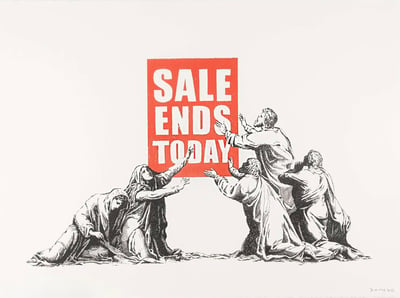
Banksy
Sale Ends (v2), 2017
Limited Edition Print
Screen-print
GBP 35,000 - 45,000

David Shrigley
Untitled (I Am Listening), 2020
Limited Edition Print
Screen-print
GBP 9,000 - 12,000

David Shrigley
Untitled (I would like to write on your wall with my crayons is that OK?), 2020
Limited Edition Print
Screen-print
GBP 6,000 - 8,000

Andy Warhol
Campbell's Soup Can: Old Fashioned Vegetable, 1969
Limited Edition Print
Screen-print
GBP 70,000 - 80,000

Andy Warhol
Camouflage F. & S. 410, 1987
Limited Edition Print
Screen-print
GBP 70,000 - 80,000
Related Articles
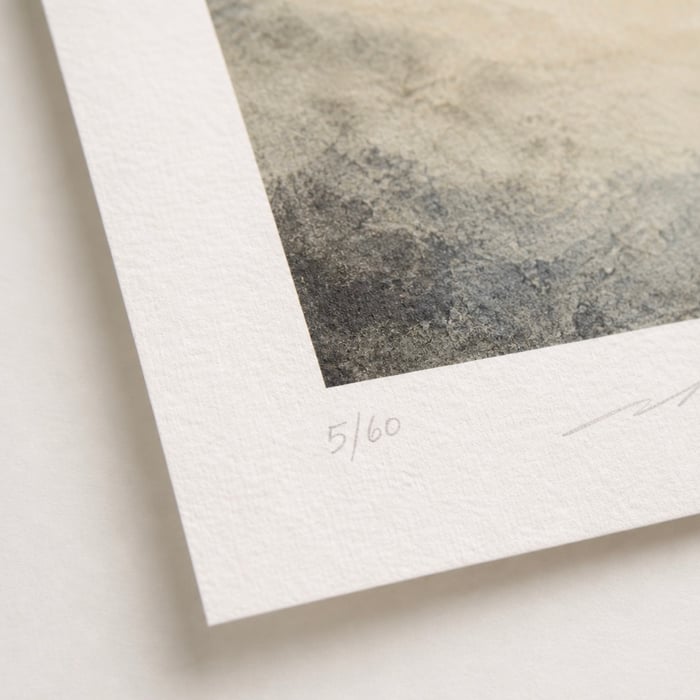


Gouache is an opaque watercolor paint that allows artists to layer from light to dark. Unlike traditional transparent watercolors, gouache is used for creating solid, vibrant colors. It belongs to the water-media category and is made of pigment, a binding agent, and an inert material, specifically designed for opaque painting.

Embossing is a technique used to create raised designs or images on a surface, typically paper. Artists achieve this effect by altering the shape of the paper, often by pressing it from the reverse side using a template and a tool like a sanded dowel. The result is a design with multiple levels of depth, giving a three-dimensional appearance.
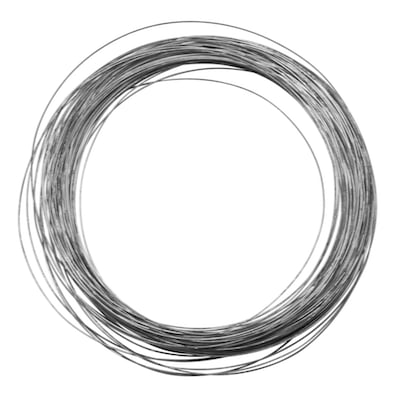
Wire is a single strand or rod of flexible metal. It has been used since ancient times to make chains and jewelry decorations. Wire comes in various thicknesses and can be bent, braided, and cut using wire tools to create sculptures, assemblages, and mobiles. Different metals, such as copper, aluminum, and steel, are commonly used for wire art.
Can't find your Answer?
Thank you! Your question has been sent — we'll get back to you shortly.
