

What is appropriation?
- Show All
- Established
- Discoveries
- Show All
Artworks Related to Appropriation
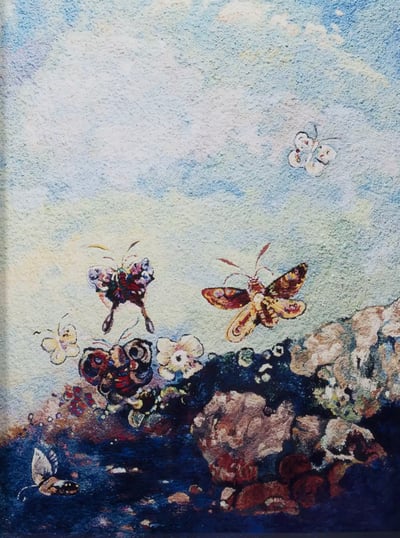
Vik Muniz
Butterflies, after Odilon Redon , 2006
Limited Edition Print
Mixed Media
USD 40,000 - 50,000

Allan D'Arcangelo
Beginnings, 1975
Limited Edition Print
Mixed Media
USD 1,500

Mr. Brainwash
Love Splash, 2010
Limited Edition Print
Screen-print
USD 5,900

Mr. Brainwash
Follow Your Dream (Martin Luther King Jr. and Malcolm X), 2008
Limited Edition Print
Screen-print
USD 4,325

Mr. Brainwash
All You Need Is Love (Lennon), 2010
Limited Edition Print
Silkscreen
USD 4,735

Yue Minjun
Untitled (Smile-ism No. 9), 2006
Limited Edition Print
Lithograph
USD 3,750

Richard Prince
Untitled (from Upstate - garage), 1998
Photography
Photograph
USD 6,000

Richard Prince
Untitled (from Upstate - nudes), 1998
Photography
Photograph
USD 9,500

Damien Hirst
Six Pills (Large), 2008
Limited Edition Print
C-Print
USD 17,700
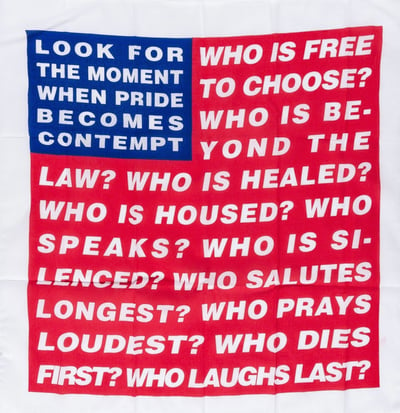
Barbara Kruger
Untitled (Flag), 2020
Tapestry
Mixed Media
GBP 1,800

John Baldessari
Dustin Hoffman, 2018
Limited Edition Print
Embossing
Currently Not Available

Shepard Fairey
Enhanced Disintegration (Pink), 2019
Limited Edition Print
Screen-print
GBP 1,000
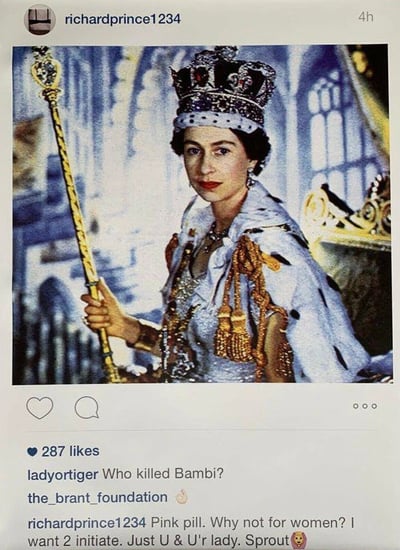
Richard Prince
Instagram New Portraits - Queen Elizabeth II , 2015
Limited Edition Print
Offset Print
GBP 4,790
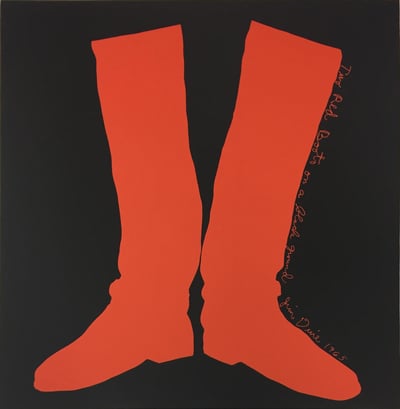
Jim Dine
Two Red Boots on a Black Ground, 1968
Limited Edition Print
Silkscreen
USD 1,350
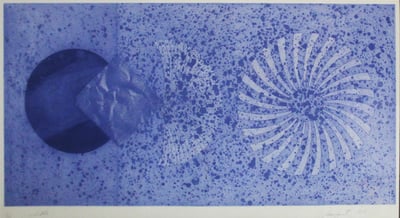
James Rosenquist
The Book Disappears for the Fast Student 2nd State, 1978
Limited Edition Print
Etching and Aquatint
USD 1,100

Damien Hirst
Circle Spin Painting, 2009
Painting
Acrylic on paper
USD 6,800
Related Articles
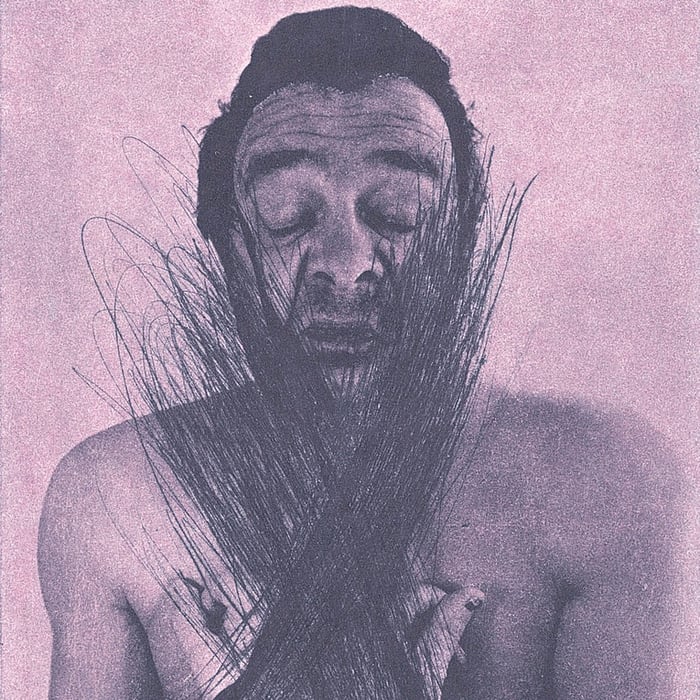

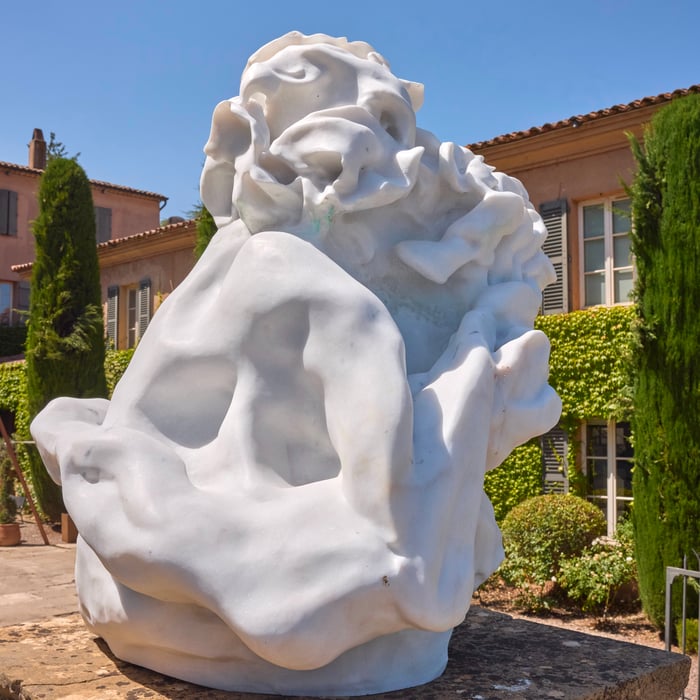

Art Brut, a French term meaning Raw Art, was coined by Jean Dubuffet to describe art created outside the conventional fine arts tradition. Dubuffet used the term to refer to works made by self-taught artists, including the mentally ill, prisoners, and others on the margins of society. He also called it Outsider Art. This art is characterized by its raw, unrefined nature, often created without concern for traditional presentation or imitation.
Attribute can function as both a noun and a verb. As a noun, it refers to an object, symbol, or animal commonly associated with a specific person, often used in art to identify figures, such as a lion with St. Mark. As a verb, it means to assign a work of art to a particular artist, usually based on stylistic analysis or other evidence, such as attributing a painting to an artist based on its technique and composition.

Monochromatic describes paintings, photographs, designs, or drawings that utilize one color or various shades of a single color. Monochromatic objects have a limited range of hues. While the term often refers to black and white or grayscale images, it can also apply to any artwork that contains tones of just one color.
Can't find your Answer?
Thank you! Your question has been sent — we'll get back to you shortly.
