

What is appropriation?
- Show All
- Established
- Discoveries
- Show All
Artworks Related to Appropriation

Mr. Brainwash
Mondrian, 2019
Limited Edition Print
Screen-print
Currently Not Available

Invader
Alert (Gray), 2021
Limited Edition Print
Screen-print
GBP 5,400

Gerhard Richter
Cage: P19-3, 2020
Limited Edition Print
Mixed Media
GBP 13,500 - 17,000

Damien Hirst
H4-8 Keukenhof, 2020
Limited Edition Print
Mixed Media
GBP 13,000 - 15,000
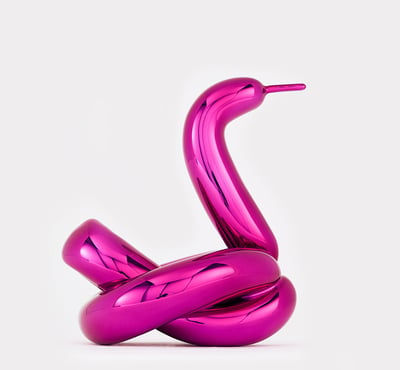
Jeff Koons
Balloon Swan (Magenta), 2019
Sculpture / Object
Porcelain
USD 11,900

Sigmar Polke
Tisch mit umgekippter Kanne I, 1970
Limited Edition Print
Screen-print
Currently Not Available

Huang Yan
Chinese Shanshui Tattoo, 1999
Photography
Photograph
EUR 3,670

Robert Rauschenberg
Tribute 21 (Environment), 1994
Limited Edition Print
Lithograph
Inquire For Price

Jim Dine
The Red Talisman, 2018
Limited Edition Print
Mixed Media
USD 12,850

Joseph Kosuth
Titled Quotation (for L.C.), 1997
Limited Edition Print
Screen-print
Currently Not Available

David Batchelor
Chromoscape 1-10, 2018
Limited Edition Print
Lithograph
EUR 1,200
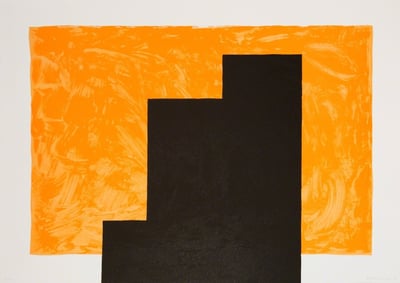
David Batchelor
Chromoscape 2-10, 2018
Limited Edition Print
Lithograph
EUR 1,200
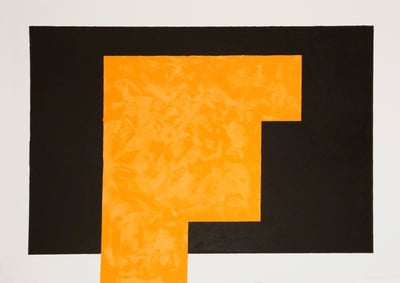
David Batchelor
Chromoscape 7-10, 2018
Limited Edition Print
Lithograph
EUR 1,200

David Batchelor
Chromoscape 4-10, 2018
Limited Edition Print
Lithograph
EUR 1,200
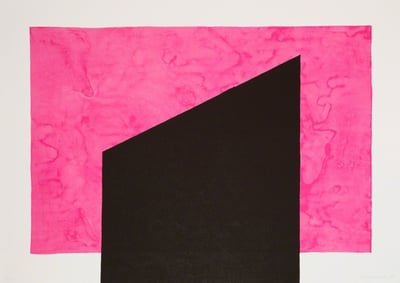
David Batchelor
Chromoscape 5-10, 2018
Limited Edition Print
Lithograph
EUR 1,200

David Batchelor
Chromoscape 3-10, 2018
Limited Edition Print
Lithograph
EUR 1,200
Related Articles
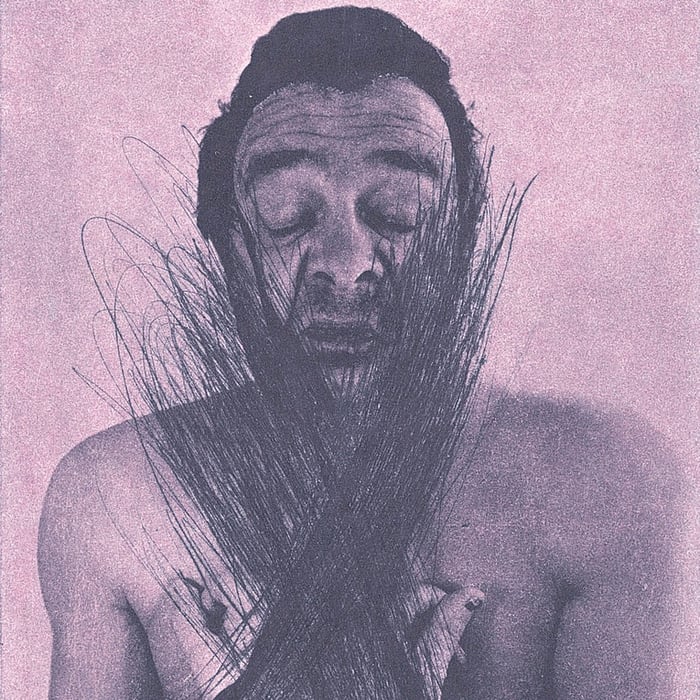

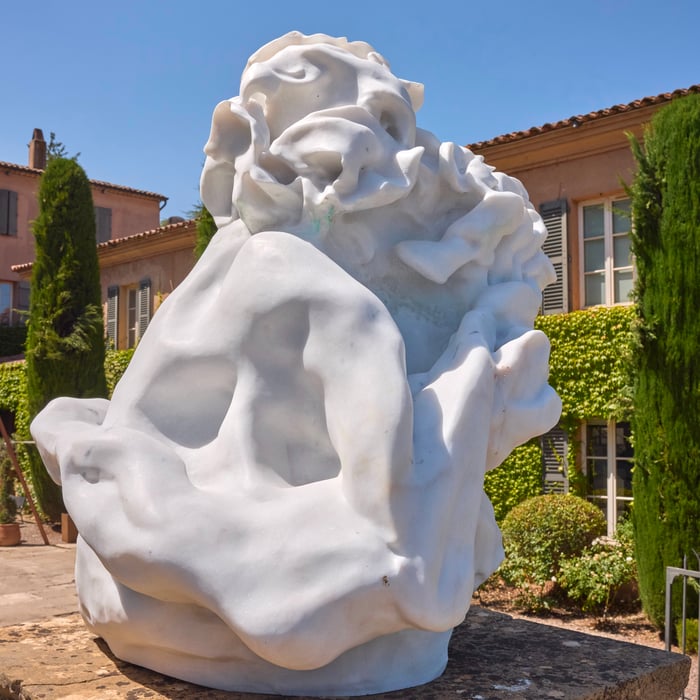
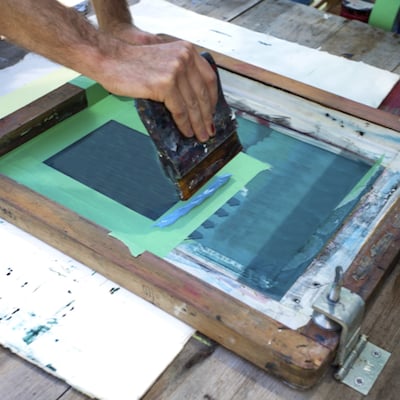
Serigraph is a printmaking process that uses silk screen techniques to create an image. The image is digitally separated into individual colors, each of which is assigned to a separate silk screen. These screens are then used to apply each color by hand, layer by layer, to replicate the original artwork, often based on an oil painting.

Nouveau Réalisme is an artistic movement founded in 1960 by art critic Pierre Restany and painter Yves Klein during a collective exhibition at a gallery in Milan. Restany wrote the original manifesto in April 1960, proclaiming the movement. In October of that year, nine artists, including Martial Raysse, Yves Klein, Daniel Spoerri, Jean Tinguely, Arman, Pierre Restany, and three Ultra-Lettrists—Jacques de la Villeglé, François Dufrêne, and Raymond Hains—signed the declaration. In 1961, the movement expanded to include Mimmo Rotella, Niki de Saint Phalle, Gérard Deschamps, and César. The movement emphasized a return to reality in art, often incorporating everyday objects and exploring the boundaries between art and life.
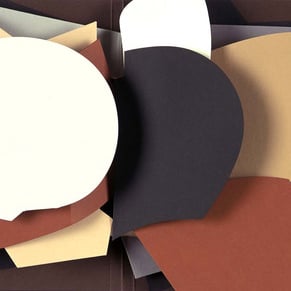
New Generation Sculpture was a movement started in the 1960s by a group of British artists. They experimented with unconventional forms, materials, and colors, creating sculptures that did not rely on traditional bases. Their work often featured plastic sheeting, fiberglass, and other industrial materials, which were fastened together and brightly painted.
Can't find your Answer?
Thank you! Your question has been sent — we'll get back to you shortly.
