

What is appropriation?
- Show All
- Established
- Discoveries
- Show All
Artworks Related to Appropriation

David Batchelor
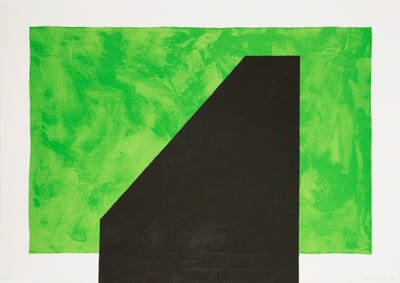
Chromoscape 8-10, 2018
Limited Edition Print
Lithograph
EUR 1,200
David Batchelor
Chromoscape 9-10, 2018
Limited Edition Print
Lithograph
EUR 1,200

David Batchelor
Chromoscape 10-10, 2018
Limited Edition Print
Lithograph
EUR 1,200

David Batchelor
Chromoscape Grey, 2018
Limited Edition Print
Lithograph
EUR 1,200
Liliana Porter
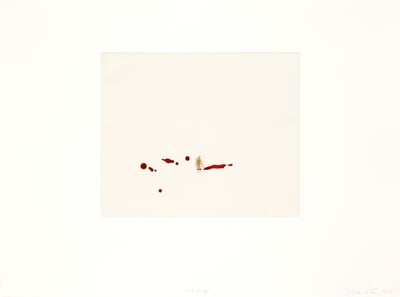
Red drips, 2019
Limited Edition Print
Etching
Currently Not Available
Damien Hirst
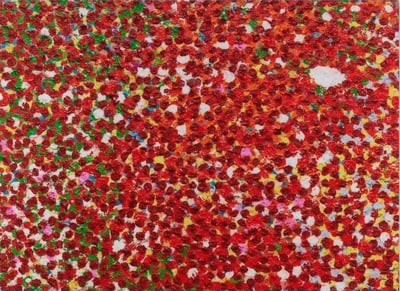
H4-7 Ryoanji, 2020
Limited Edition Print
Mixed Media
GBP 10,000 - 15,000
KAWS
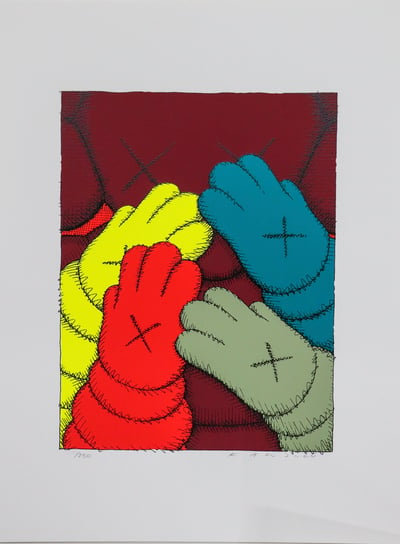
Untitled IX (Urge), 2020
Limited Edition Print
Silkscreen
USD 7,000 - 10,000
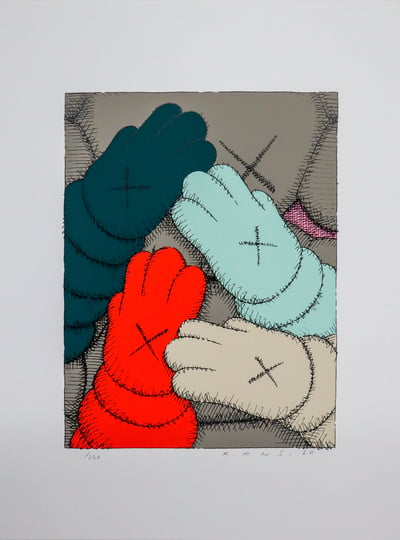
KAWS
Untitled VIII (Urge), 2020
Limited Edition Print
Silkscreen
USD 7,000 - 10,000
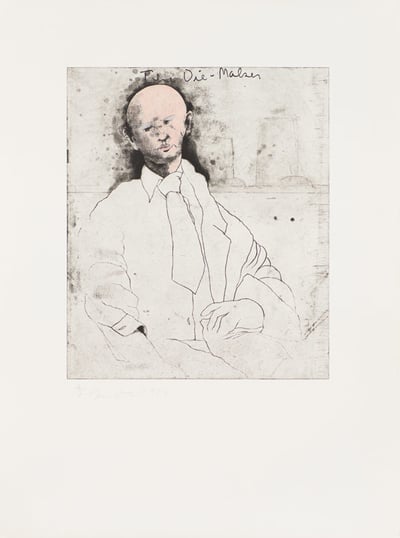
Jim Dine
Die-Maker, 1976
Limited Edition Print
Etching
USD 1,575
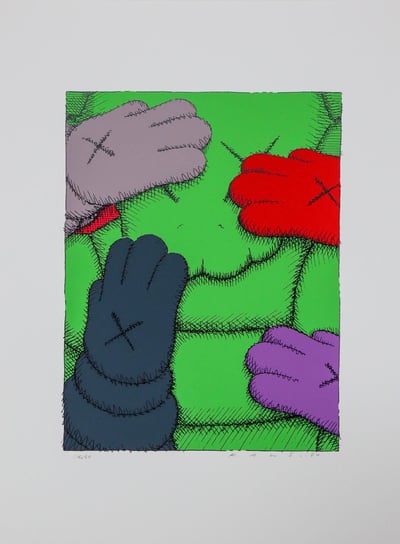
KAWS
Untitled III (Urge), 2020
Limited Edition Print
Silkscreen
USD 7,000 - 10,000
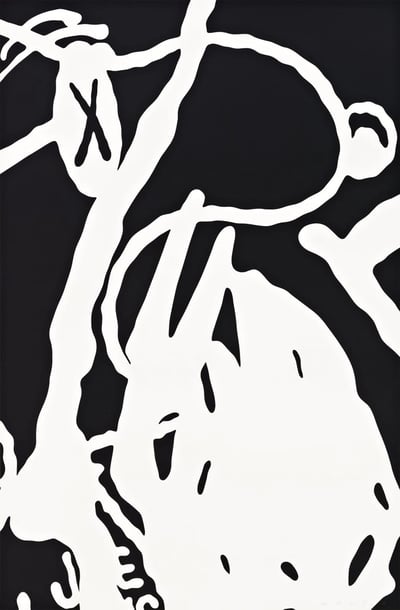
KAWS
Man's Best Friend #9, 2016
Limited Edition Print
Screen-print
GBP 8,990
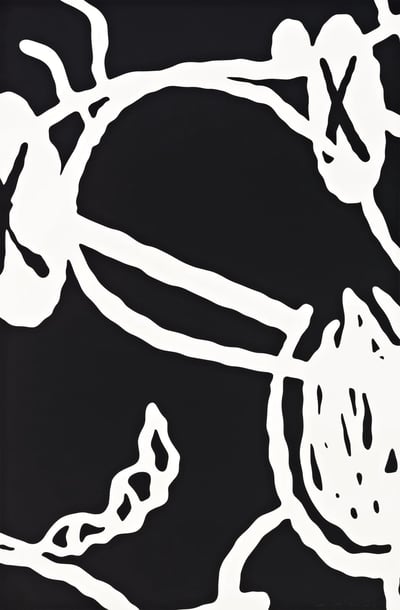
KAWS
Man's Best Friend #7, 2016
Limited Edition Print
Screen-print
GBP 8,990
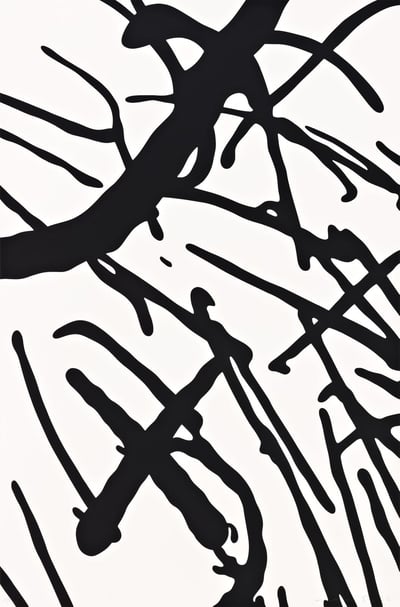
KAWS
Man's Best Friend #6, 2016
Limited Edition Print
Screen-print
GBP 8,990

Mr. Brainwash
We are all in this Together (Blue), 2017
Limited Edition Print
Silkscreen
Inquire For Price

Jim Dine
A Night Woodcut, 1982
Limited Edition Print
Woodcut
Inquire For Price
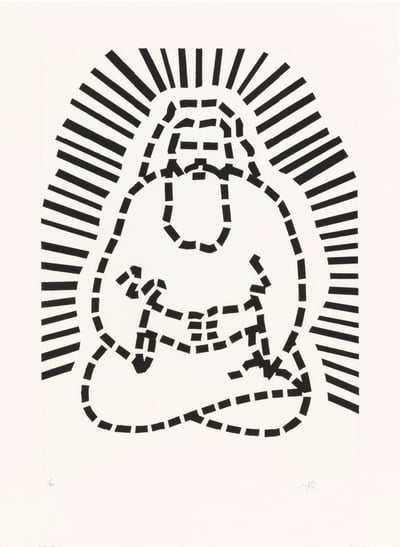
Roy Lichtenstein
Passage Du Nord-ouest, 1992
Limited Edition Print
Etching and Aquatint
USD 10,400
Related Articles
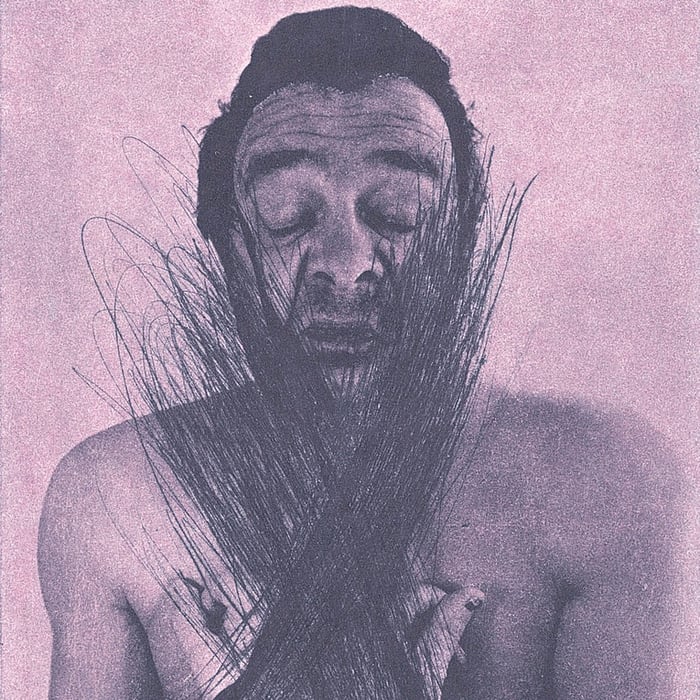

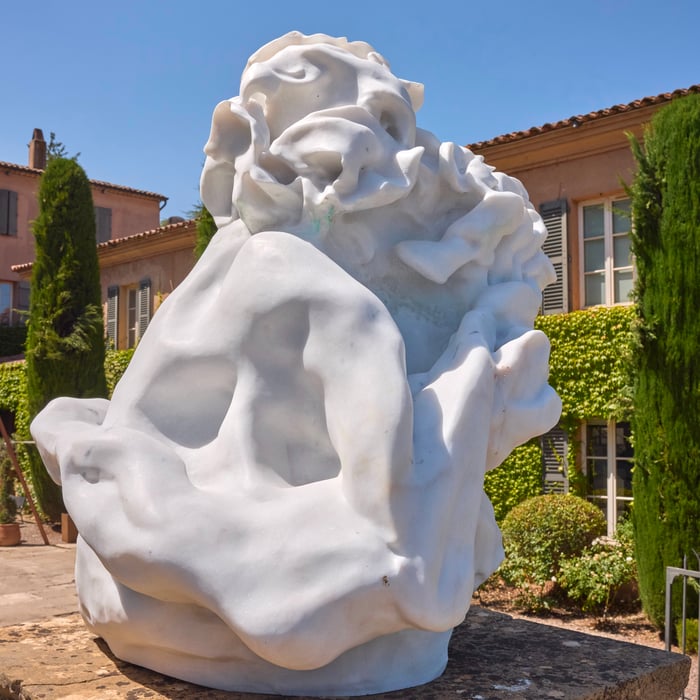
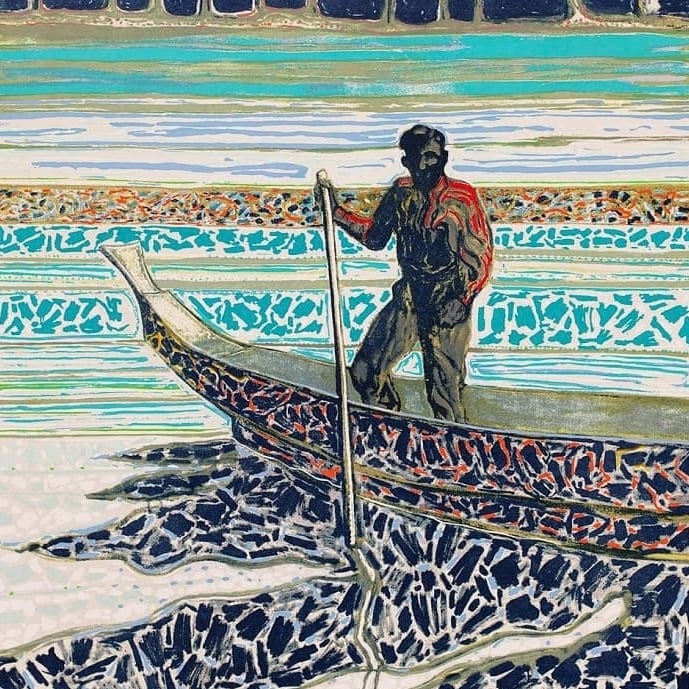
Stuckism is an art movement that promotes figurative painting over conceptual art. It was founded in 1999 by Charles Thomson and Billy Childish with an initial group of 13 artists in Britain. The movement has since expanded to 52 countries with 233 groups worldwide. Several manifestos, issued by Thomson and Childish, advocate for the spirit of modernism and the creation of spiritual art, regardless of medium, subject matter, or style. Stuckism emphasizes the importance of genuine expression and rejects the dominance of conceptual art in the contemporary art scene.
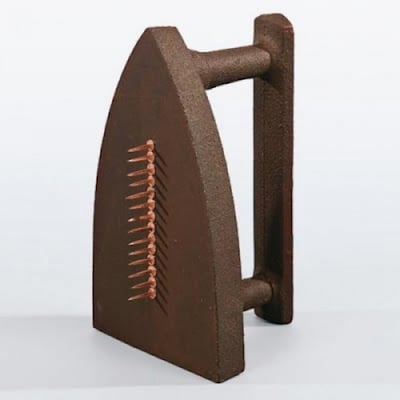
Readymade is the term coined by French artist Marcel Duchamp to describe artworks created from manufactured objects. Duchamp selected ordinary, functional items that he felt had visual indifference, turning them into art simply by choosing and presenting them in a new context. This concept challenged traditional notions of art and continues to influence artists who adopt similar approaches today.

Street Art is artwork created and executed in public spaces, outside of traditional art venues. It gained popularity during the 1980s graffiti art boom and has since evolved into various forms and styles. Common forms of Street Art include pop-up art, sticker art, stencil graffiti, and street installations or sculptures. Terms like guerrilla art, neo-graffiti, post-graffiti, and urban art are often used interchangeably to describe this genre, which challenges conventional ideas about where and how art should be displayed.
Can't find your Answer?
Thank you! Your question has been sent — we'll get back to you shortly.
