

What is appropriation?
- Show All
- Established
- Discoveries
- Show All
Artworks Related to Appropriation
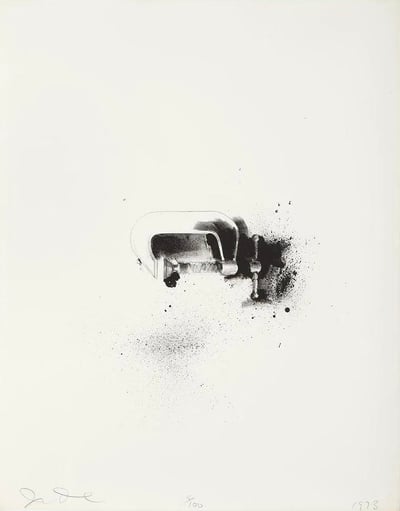
Jim Dine
C-Clamp, 1973
Limited Edition Print
Lithograph
Inquire For Price

Jim Dine
Pliers and Adjustable Wrench, 1973
Limited Edition Print
Lithograph
Inquire For Price

Shepard Fairey
Tribute to Ai Weiwei, 2014
Limited Edition Print
Screen-print
EUR 1,875

Jim Dine
The Robe goes to Town, 1983
Limited Edition Print
Mixed Media
USD 4,850
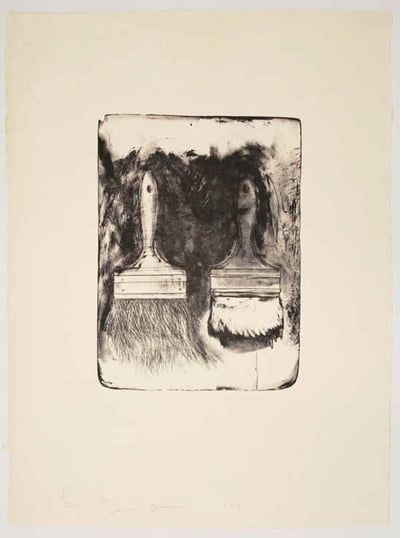
Jim Dine
Brush Drawn on Stones #5, 2010
Limited Edition Print
Lithograph
USD 4,000
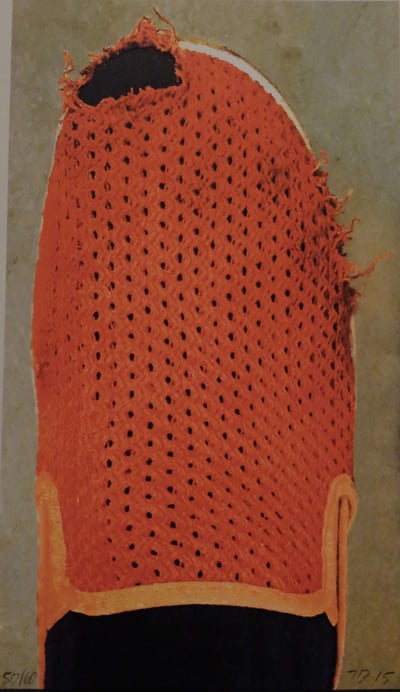
John Baldessari
Red Slipper, 2015
Limited Edition Print
Lithograph
USD 6,600

Jasper Johns
Ventriloquist, 1990
Limited Edition Print
Lithograph
USD 10,000 - 15,000

Wilhelm Sasnal
Damned Youth, 2011
Limited Edition Print
Linocut
Currently Not Available

James Rosenquist
Horse Blinders (North), 1972
Limited Edition Print
Mixed Media
USD 5,500

Andy Warhol
Carter Burden, 1977
Limited Edition Print
Silkscreen
EUR 29,000

Dr Lakra
Beso, 2009
Limited Edition Print
Lithograph
EUR 750

Allen Jones
Untitled from Concerning Marriages series, Plate H, 1964
Limited Edition Print
Lithograph
USD 2,400

Allen Jones
Playtime, 1995
Limited Edition Print
Lithograph
USD 2,750
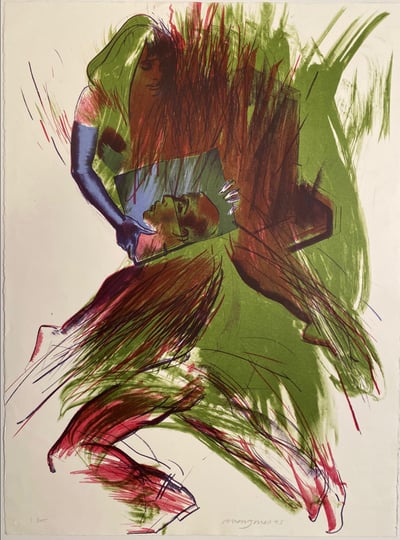
Allen Jones
No Strings, 1995
Limited Edition Print
Lithograph
USD 2,750
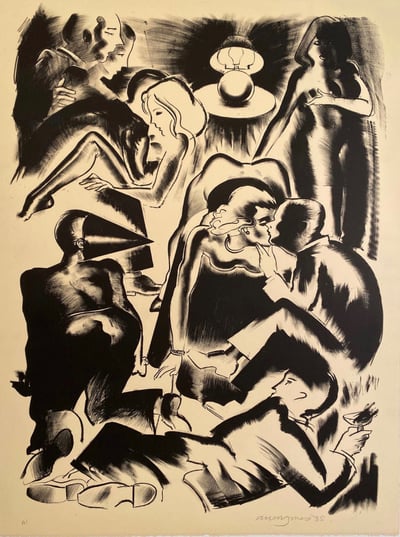
Allen Jones
High Society, 1985
Limited Edition Print
Lithograph
USD 2,250
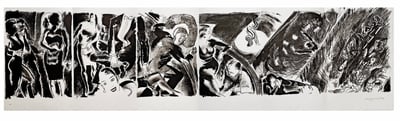
Allen Jones
Greasepaint, 1988
Limited Edition Print
Lithograph
USD 4,250
Related Articles


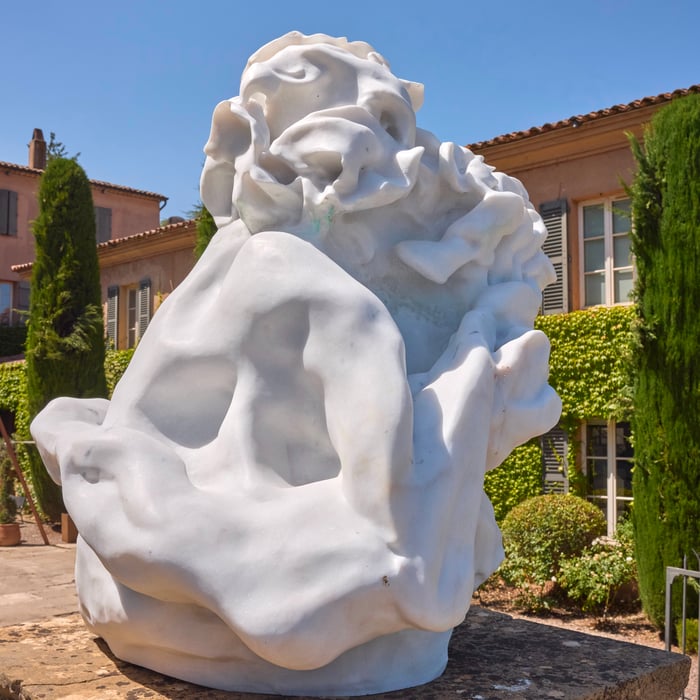

Acrylic paint is a fast-drying paint made from pigment suspended in an acrylic polymer emulsion. It is water-soluble when wet but becomes water-resistant once dry. Acrylic paints offer unique characteristics that are not easily achieved with other media, allowing for effects similar to both oil and watercolor paintings while providing their own distinct qualities.

Site-Specific Art is a form of artwork created to exist in a particular location, with the artist considering the site as an integral part of the creative process. Robert Irwin was a key figure in promoting this art form in California. Site-Specific Art emerged as a reaction against modernist objects, which were often portable, commodified, and confined to museum spaces. In contrast, Site-Specific Art is inherently tied to its location, challenging the traditional notions of art as a transportable and marketable commodity.
Attribute can function as both a noun and a verb. As a noun, it refers to an object, symbol, or animal commonly associated with a specific person, often used in art to identify figures, such as a lion with St. Mark. As a verb, it means to assign a work of art to a particular artist, usually based on stylistic analysis or other evidence, such as attributing a painting to an artist based on its technique and composition.
Can't find your Answer?
Thank you! Your question has been sent — we'll get back to you shortly.
