

What is appropriation?
- Show All
- Established
- Discoveries
- Show All
Artworks Related to Appropriation

Dr Lakra
Untitled Blue, 2008
Limited Edition Print
Lithograph
USD 2,750

Dr Lakra
Untitled, #3, 2008
Limited Edition Print
Etching
USD 2,500

Dr Lakra
Untitled, #6, 2008
Limited Edition Print
Etching
USD 2,500

Dr Lakra
Untitled, #7, 2008
Limited Edition Print
Etching
USD 2,500

Dr Lakra
Untitled, #8, 2008
Limited Edition Print
Etching
USD 2,500

Dr Lakra
Untitled, #5, 2008
Limited Edition Print
Etching
USD 2,500

Dr Lakra
Untitled, #9, 2008
Limited Edition Print
Etching
USD 2,500

Dr Lakra
Untitled, #10, 2008
Limited Edition Print
Etching
USD 2,500

Dr Lakra
Untitled, #2, 2008
Limited Edition Print
Etching
USD 2,500

Dr Lakra
Untitled, #4, 2008
Limited Edition Print
Etching
USD 2,500

Dr Lakra
Untitled, #1, 2008
Limited Edition Print
Etching
USD 2,500

Dr Lakra
Untitled Green, 2008
Limited Edition Print
Lithograph
USD 2,500

Roy Lichtenstein
Paris Review, 1967
Limited Edition Print
Silkscreen
USD 22,850

Allan D'Arcangelo
Title Unknown, 1966
Limited Edition Print
Lithograph
USD 2,400
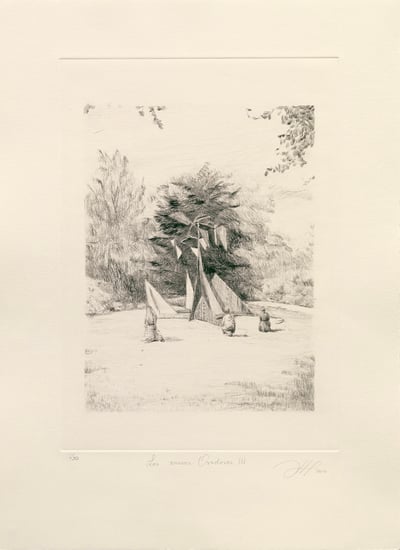
Sandra Gamarra
Los nuevos Oradores III , 2010
Limited Edition Print
Drypoint
EUR 300
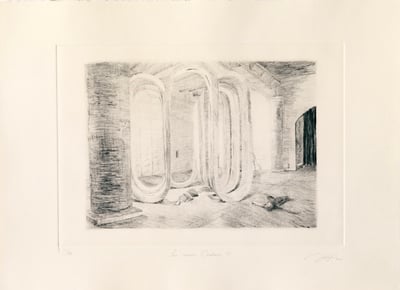
Sandra Gamarra
Los nuevos Oradores IV , 2010
Limited Edition Print
Drypoint
EUR 300
Related Articles


Acrylic paint is a fast-drying paint made from pigment suspended in an acrylic polymer emulsion. It is water-soluble when wet but becomes water-resistant once dry. Acrylic paints offer unique characteristics that are not easily achieved with other media, allowing for effects similar to both oil and watercolor paintings while providing their own distinct qualities.

Pop Art is an art movement that began in Britain in 1955 and in the late 1950s in the U.S. It challenged traditional fine arts by incorporating imagery from popular culture, such as news, advertising, and comic books. Pop Art often isolates and recontextualizes materials, combining them with unrelated elements. The movement is more about the attitudes and ideas that inspired it than the specific art itself. Pop Art is seen as a reaction against the dominant ideas of Abstract Expressionism, bringing everyday consumer culture into the realm of fine art.

Massurrealism is a portmanteau word coined by American artist James Seehafer in 1992. He observed a trend among postmodern artists who blended themes and aesthetic styles with mass media, including elements of pop art. Massurrealism is a development of surrealism that emphasizes the technological effects on the imagery of contemporary surrealism. The key difference between massurrealism and surrealism is that the latter was founded in Europe at the beginning of the 20th century, while massurrealism is rooted in the influence of modern technology and media.
Can't find your Answer?
Thank you! Your question has been sent — we'll get back to you shortly.
