

What is appropriation?
- Show All
- Established
- Discoveries
- Show All
Artworks Related to Appropriation

León Ferrari
Mod. 8, 2009
Limited Edition Print
Lithograph
EUR 1,000

León Ferrari
Mod. 7, 2009
Limited Edition Print
Lithograph
Currently Not Available

León Ferrari
Mod. 6, 2009
Limited Edition Print
Lithograph
EUR 1,000

León Ferrari
Mod. 5, 2009
Limited Edition Print
Lithograph
EUR 1,000

Allen Jones
Maitresse folio screenprint II, 2015
Limited Edition Print
Screen-print
Currently Not Available

Jim Dine
Palette III, 1969
Limited Edition Print
Etching
Inquire For Price

Robert Rauschenberg
One lioner, 2000
Limited Edition Print
Lithograph
Inquire For Price

Huang Yan
Face tattoo , 2005
Photography
Photograph
USD 16,000

Liliana Porter
To fix it II, 2018
Limited Edition Print
Mixed Media
Currently Not Available
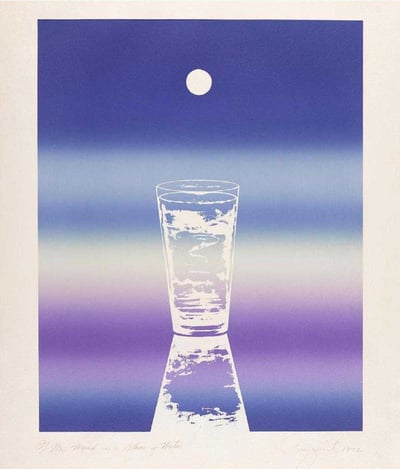
James Rosenquist
My mind is a glass of water, 1972
Limited Edition Print
Lithograph
Currently Not Available

Claes Oldenburg
Fagends Carved in Rock Fagend Canyon, 1975
Limited Edition Print
Offset Print
Inquire For Price

Mr. Brainwash
Superheroes (red), 2018
Limited Edition Print
Serigraph
Inquire For Price

Damien Hirst
Pharmacy, 1992
Limited Edition Print
Lithograph
Currently Not Available
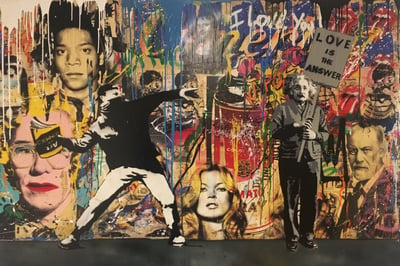
Mr. Brainwash
Banksy thrower and Einstein, 2014
Painting
Mixed Media
USD 64,000 - 84,000

Huang Yan
Landscape
Photography
Lambda print
EUR 10,150
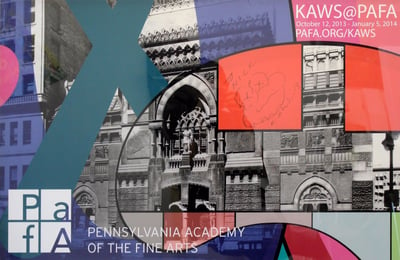
KAWS
Unique Ink Sketch on PAFA , 2013
Drawing / Watercolor
Ink
Inquire For Price
Related Articles
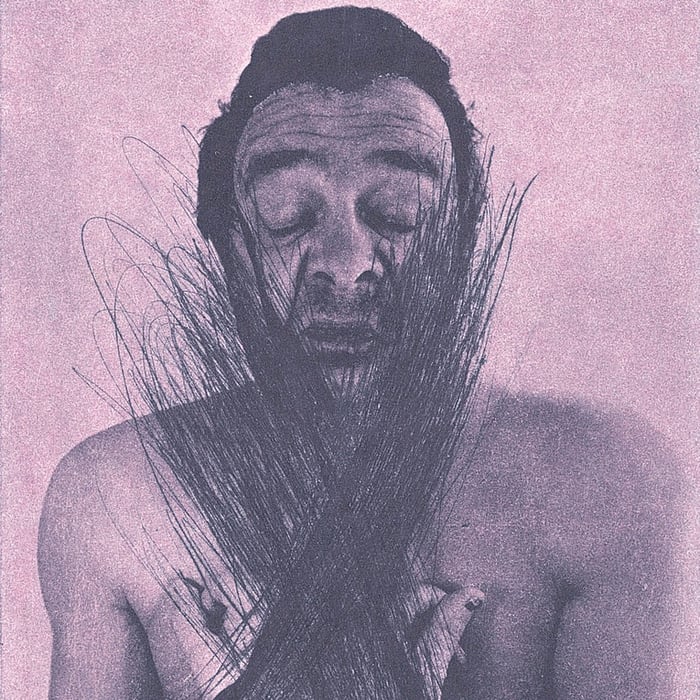

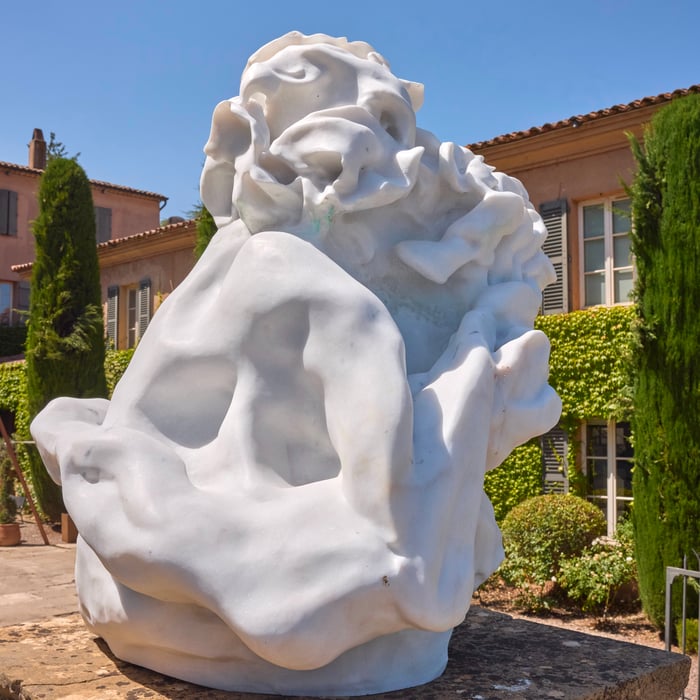

Shock Art is an art movement that uses disturbing images, scents, or sounds to provoke a strong, often shocked, reaction from viewers. It is often regarded as a form of social commentary, with critics and supporters debating whether its impact is positive or negative. Shock Art frequently employs taboo, obscene, or outrageous elements to challenge societal norms and provoke critical thought.

Site-Specific Art is a form of artwork created to exist in a particular location, with the artist considering the site as an integral part of the creative process. Robert Irwin was a key figure in promoting this art form in California. Site-Specific Art emerged as a reaction against modernist objects, which were often portable, commodified, and confined to museum spaces. In contrast, Site-Specific Art is inherently tied to its location, challenging the traditional notions of art as a transportable and marketable commodity.
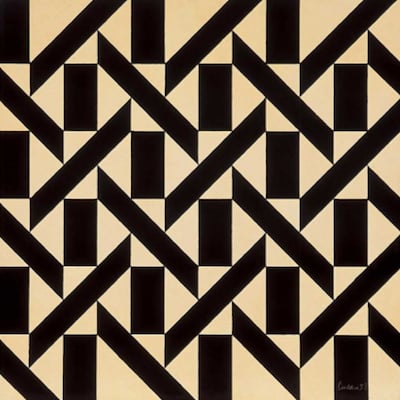
Grupo Ruptura was an organization formed in Brazil by artists who sought to break away from traditional naturalist painting in favor of geometric abstract art. In the early 1950s, the group published the Ruptura Manifesto, advocating for new art for a new country. The manifesto emphasized a departure from the past and a commitment to innovation, aligning with the modernist vision of Brazil as a forward-looking nation.
Can't find your Answer?
Thank you! Your question has been sent — we'll get back to you shortly.
