

What is appropriation?
- Show All
- Established
- Discoveries
- Show All
Artworks Related to Appropriation
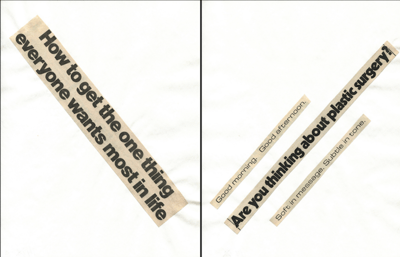
Lorraine O'Grady
Cutting Out CONYT 5, 1977 - 2017
Limited Edition Print
Mixed Media
USD 20,000
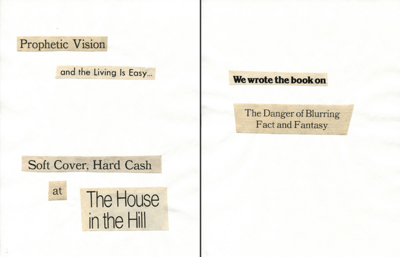
Lorraine O'Grady
Cutting Out CONYT 4, 1977 - 2017
Limited Edition Print
Mixed Media
USD 20,000
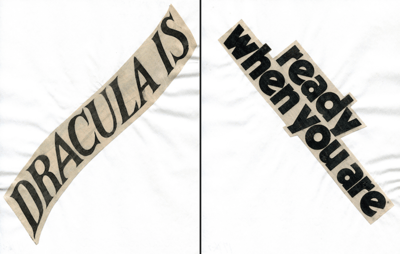
Lorraine O'Grady
Cutting Out CONYT 3, 1977 - 2017
Limited Edition Print
Mixed Media
USD 20,000
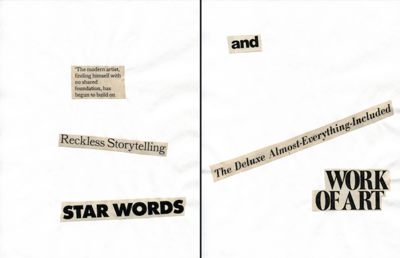
Lorraine O'Grady
Cutting Out CONYT 2, 1977 - 2017
Limited Edition Print
Mixed Media
USD 20,000
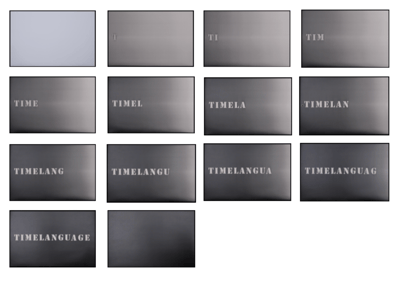
Luis Camnitzer
TIMELANGUAGE, 2016
Limited Edition Print
Mixed Media
EUR 35,000
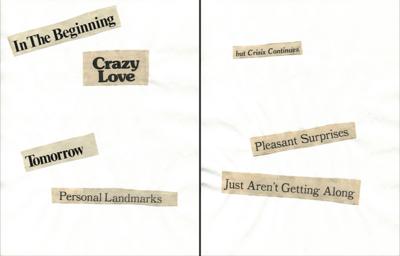
Lorraine O'Grady
Cutting Out CONYT 1, 1977 - 2017
Limited Edition Print
Mixed Media
USD 20,000
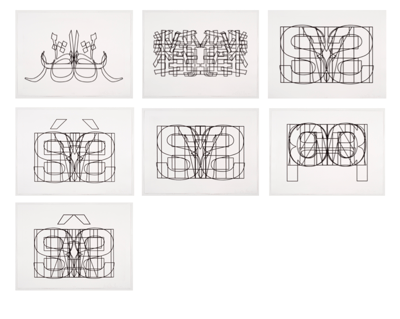
Luis Camnitzer
Symmetrical Jails, 2014
Limited Edition Print
Etching
USD 50,000

James Rosenquist
Spring Cheer, 1st. State , 1978
Limited Edition Print
Etching and Aquatint
USD 4,250

James Rosenquist
Spokes , 1977
Limited Edition Print
Etching and Aquatint
USD 4,390

James Rosenquist
Hot Lake, 1978
Limited Edition Print
Etching and Aquatint
USD 4,390
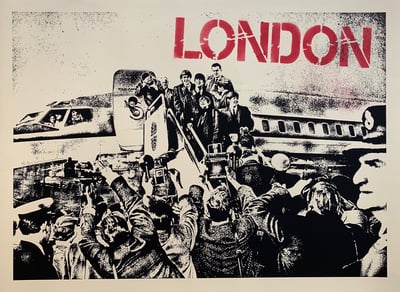
Mr. Brainwash
A good day's flight, 2009
Limited Edition Print
Lithograph
USD 4,850

Jim Dine
Olympic Robe , 1988
Limited Edition Print
Lithograph
USD 7,500
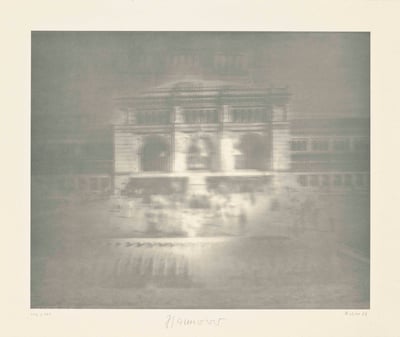
Gerhard Richter
Bahnhof (Hannover), 1967
Limited Edition Print
Lithograph
EUR 21,330
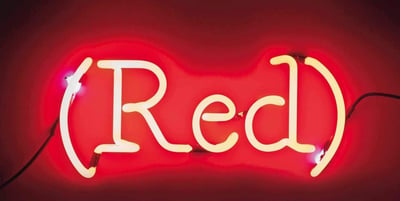
Joseph Kosuth
Wittgenstein's colour, 1989
Sculpture / Object
Mixed Media
EUR 29,300
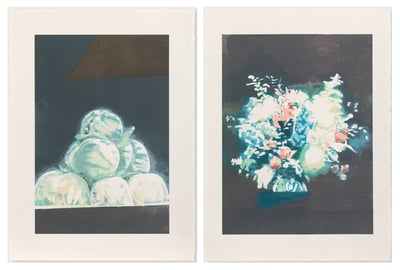
Luc Tuymans
Peaches and Technicolor , 2013
Limited Edition Print
Screen-print
Currently Not Available

Allan D'Arcangelo
Beginning, 1975
Limited Edition Print
Lithograph
Inquire For Price
Related Articles
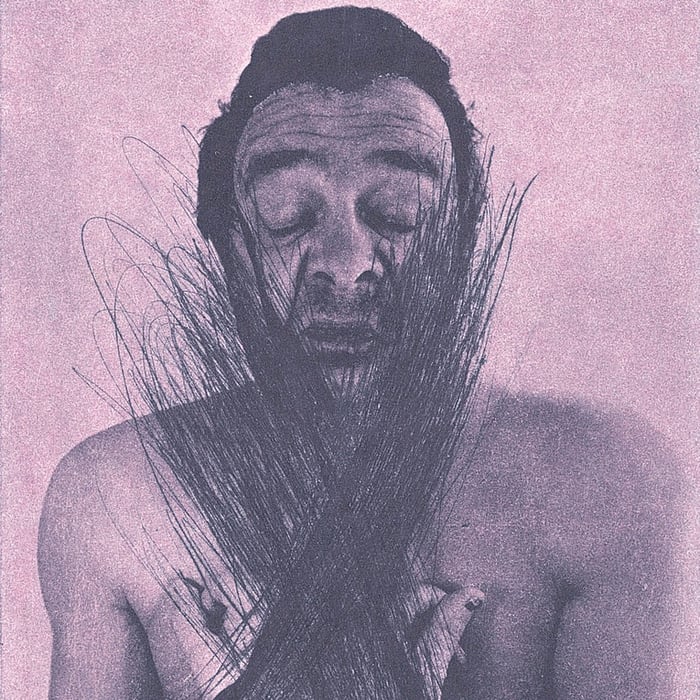

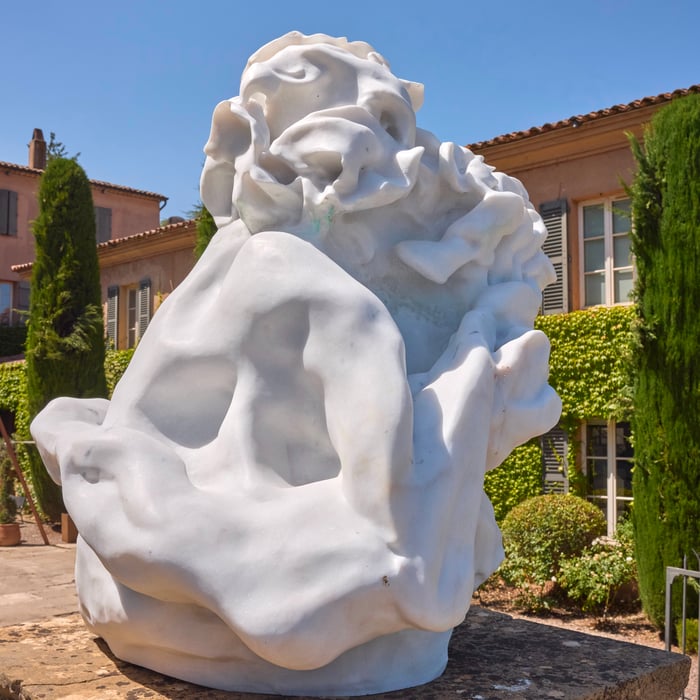
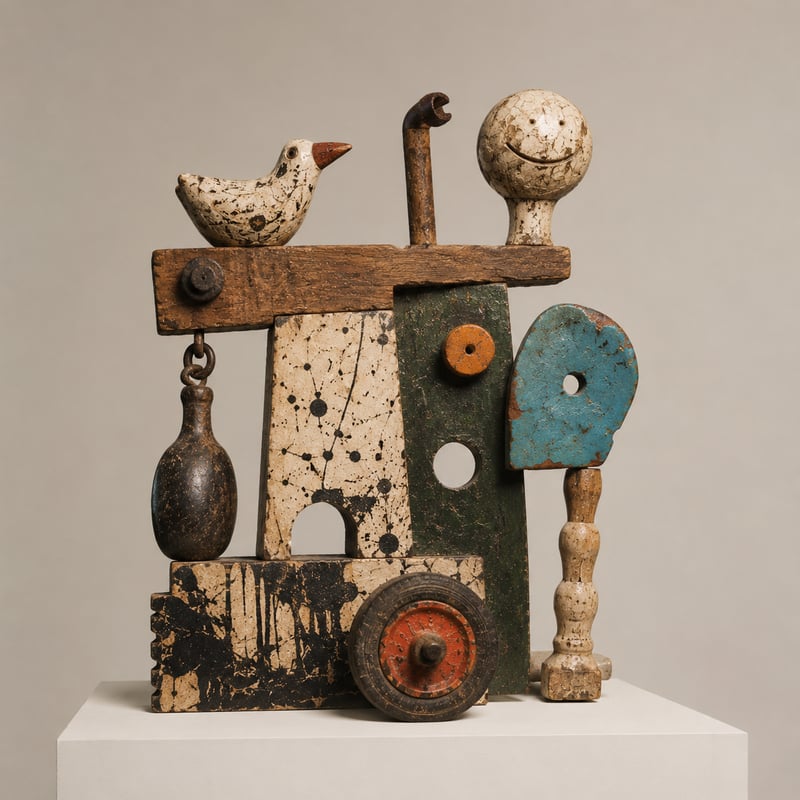
In the 1960s, Funk Art emerged as a reactive movement against Abstract Expressionism. It was widely known as an anti-establishment movement, with the name derived from the jazz term funky. This term carried both positive and negative connotations: in the jazz world, it described passion, quirkiness, and sensuality, but it could also refer to a foul odor. Funk Art was particularly popular in the California Bay Area. While the artists of the Funk Art era shared similar attitudes and styles, they did not see themselves as part of a formal group or movement.

This Italian art movement includes artists from Italy, Belgium, and France who are known for creating public installations using recyclable plastic to craft massive animal sculptures. The artwork explores the rupture between the synthetic and natural worlds, with the plastic construction symbolizing the synthetic, and the animal forms representing the natural world.

New British Sculpture is the name referring to the work produced by a group of sculptors, installation artists, and other creators who exhibited together in London during the 1980s. This group included artists like Richard Deacon, Richard Wentworth, and Tony Cragg. Tim Woods helped define this movement by identifying four major themes: the blending of kitsch and pop culture, the use of UK urban waste in a bricolage style, the assignment of new meanings to everyday objects, and a playful approach using wit and humor.
Can't find your Answer?
Thank you! Your question has been sent — we'll get back to you shortly.
