

What is appropriation?
- Show All
- Established
- Discoveries
- Show All
Artworks Related to Appropriation

Allan D'Arcangelo
Super Highway, 1969
Limited Edition Print
Silkscreen
USD 1,800

Jorg Immendorf
Lästerzungen
Limited Edition Print
Screen-print
EUR 2,300

Jorg Immendorf
Nase 2
Limited Edition Print
Silkscreen
EUR 1,600
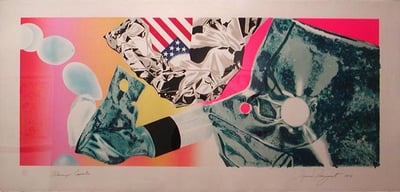
James Rosenquist
Flamingo Capsule, 1973
Limited Edition Print
Screen-print
USD 18,500

Claes Oldenburg
Mermaid
Limited Edition Print
Etching
EUR 2,400

James Rosenquist
High Pool, 1966
Limited Edition Print
Lithograph
USD 6,700

James Rosenquist
Circles of Confusion, 1965
Limited Edition Print
Screen-print
EUR 2,500

James Rosenquist
Gravity Feed, 1978
Limited Edition Print
Aquatint
USD 2,350

Jasper Johns
Untitled (Faces on purple), 1988
Limited Edition Print
Carborundum
USD 21,000 - 30,000
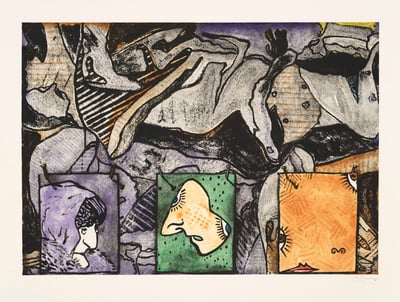
Jasper Johns
Untitled - Faces (ULAE 243), 1988
Limited Edition Print
Carborundum
USD 41,000 - 45,000

Robert Rauschenberg
Opal Gospel, 1971
Sculpture / Object
Screen-print
USD 13,000 - 15,000

Jorg Immendorf
Schwarzes Schaf
Limited Edition Print
Silkscreen
EUR 1,900

Jorg Immendorf
Malerwald
Limited Edition Print
Silkscreen
EUR 2,300

Jorg Immendorf
AT-Aquarell, 2000
Limited Edition Print
Silkscreen
EUR 2,100

Jorg Immendorf
no title (Red Man), 2006
Limited Edition Print
Silkscreen
EUR 2,300

Jorg Immendorf
Ohne Titel / AT-Spiegelgrafik
Limited Edition Print
Silkscreen
EUR 2,300
Related Articles
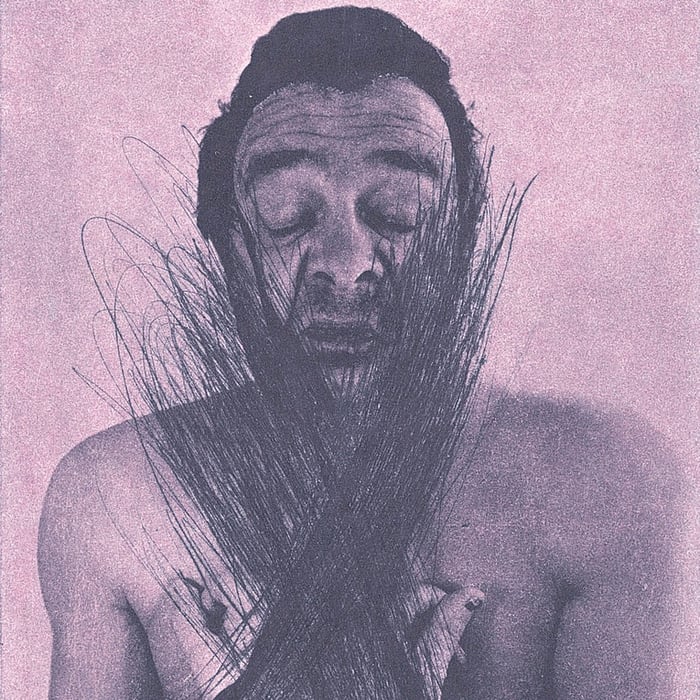

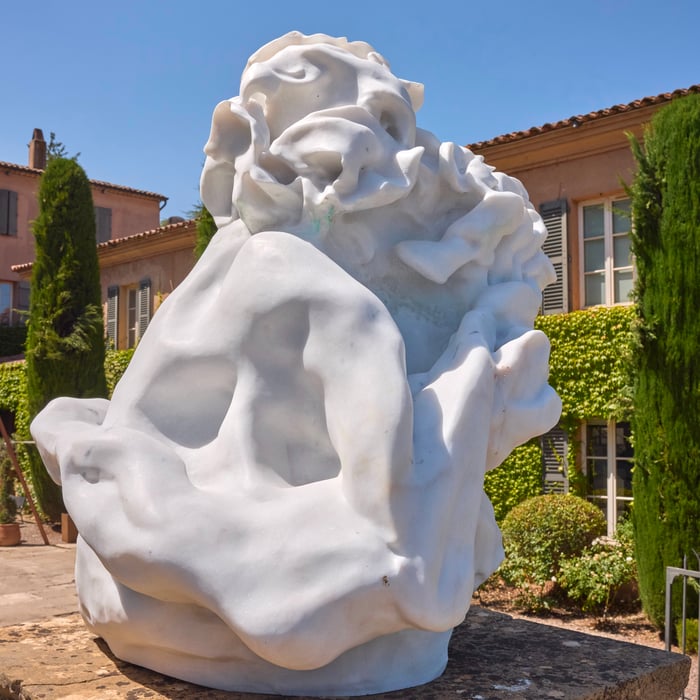

Shock Art is an art movement that uses disturbing images, scents, or sounds to provoke a strong, often shocked, reaction from viewers. It is often regarded as a form of social commentary, with critics and supporters debating whether its impact is positive or negative. Shock Art frequently employs taboo, obscene, or outrageous elements to challenge societal norms and provoke critical thought.
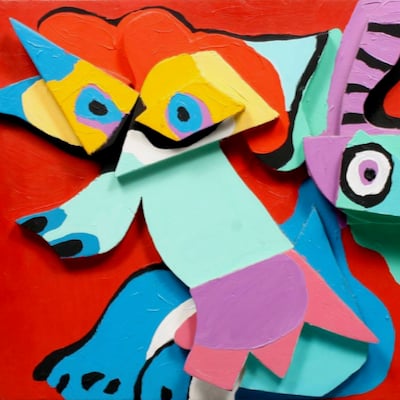
CoBrA stands for Copenhagen, Brussels, and Amsterdam; the group was formed with a desire to break away from the existing art movements of the time. Their critique of Western society led them to experiment and evolve into a significant international movement. CoBrA was founded on November 8, 1948, at the Notre Dame Café in Paris, where its manifesto was signed by Karel Appel, Joseph Noiret, Corneille, Christian Dotremont, Constant, and Asger Jorn. The group was united by a shared commitment to freedom in both form and color, and their work emphasized experimentation and spontaneity.

Avant-garde refers to innovative and experimental ideas in the arts that challenge established norms and conventions. Originating from the French term for advance guard, it describes both the movement and the artists who push the boundaries of creativity, often exploring new techniques, forms, and concepts. The avant-garde has been a driving force in various art movements throughout history, such as Dadaism, Surrealism, and Abstract Expressionism, continually reshaping the landscape of art and culture.
Can't find your Answer?
Thank you! Your question has been sent — we'll get back to you shortly.
