

What is avant-garde?
- Show All
- Established
- Discoveries
- Show All
Artworks Related to Avant-garde
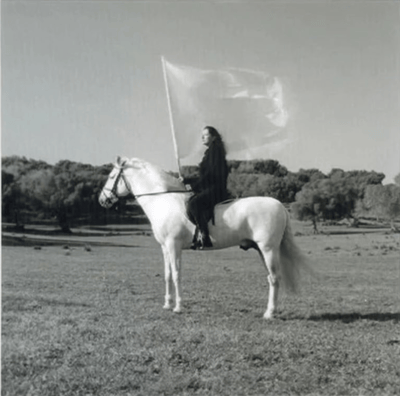
Marina Abramovic
The Hero, 2022
Photography
Mixed Media
Inquire For Price

Andy Warhol
Flowers (F. & S. II.72), 1970
Limited Edition Print
Screen-print
GBP 78,000 - 100,000

Andy Warhol
Gee, Merrie Shoes, 1956
Limited Edition Print
Mixed Media
GBP 19,000

Andy Warhol
Electric Chair, 1971
Limited Edition Print
Screen-print
GBP 22,000

Andy Warhol
Campbell's Soup Can I: Black Bean, 1968
Limited Edition Print
Screen-print
GBP 65,000
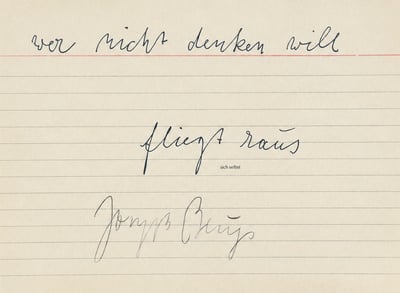
Joseph Beuys
Sich selbst (wer nicht denken will fliegt raus), 1977
Drawing / Watercolor
Mixed Media
EUR 700

Andy Warhol
Ted Turner, c. 1986
Limited Edition Print
Collage
Inquire For Price

Andy Warhol
Camouflage, II.408, 1987
Limited Edition Print
Screen-print
Inquire For Price

Andy Warhol
Paloma Picasso, 1975
Limited Edition Print
Serigraph
Inquire For Price

Andy Warhol
Lobster, 1979
Drawing / Watercolor
Graphite
Inquire For Price

Joseph Beuys
Eine Rose für direkte Demokratie, 1968
Sculpture / Object
Mixed Media
EUR 2,800

Andy Warhol
The Lyon, 1975
Limited Edition Print
Mixed Media
EUR 4,000
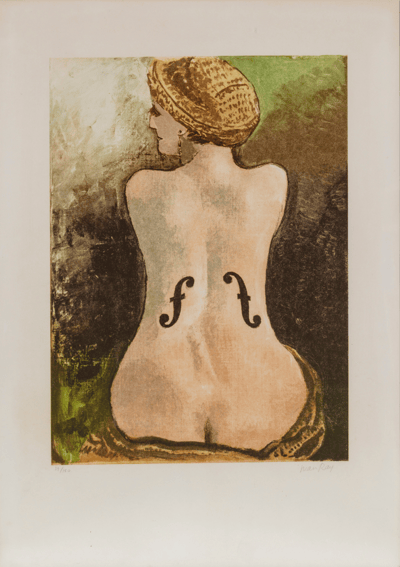
Man Ray
Le Violon d'Ingres, 1968
Limited Edition Print
Lithograph
EUR 5,000

Joseph Beuys
Ja Ja Ja Ja Nee Nee Nee, 1970
Sculpture / Object
Mixed Media
EUR 2,500
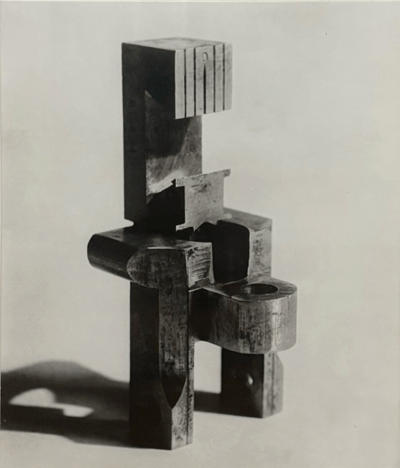
Man Ray
The Rebus, 1926
Photography
Gelatin Silver Print
EUR 6,500
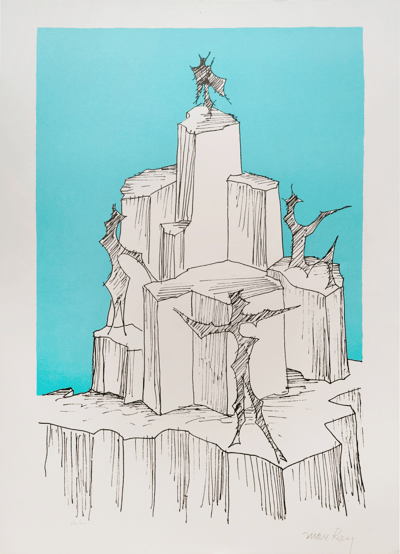
Man Ray
La Montagna di Cristallo, 1971
Limited Edition Print
Lithograph
EUR 2,400
Related Articles

A foundry is a place where metal is melted and shaped to create sculptures. Artists bring their completed wax sculptures to the foundry, where molds are made in the same shape. The foundry then uses these molds to cast the sculpture in metal, often resulting in a finished metal artwork.
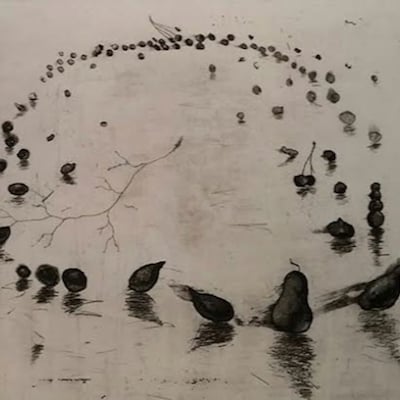
Drypoint is an intaglio printmaking technique where an image is incised onto a plate using a sharp, pointed tool, typically a needle made of metal or diamond. Traditionally, copper plates were used, but today zinc, plexiglass, or acetate are also common. Drypoint is easier for drawing artists to master compared to engraving, as the needle technique resembles drawing with a pencil rather than the more complex burin used in engraving.

De Stijl, meaning The Style, was a group of Dutch artists who created abstract art based on strict adherence to vertical and horizontal geometry. The group was founded by Piet Mondrian and Theo van Doesburg in 1917. Mondrian eventually left De Stijl when Van Doesburg began incorporating diagonal geometry into his work, which Mondrian felt deviated from the group's principles.
Can't find your Answer?
Thank you! Your question has been sent — we'll get back to you shortly.
