

What is constructivism?
- Show All
- Established
- Discoveries
- Show All
Artworks Related to Constructivism
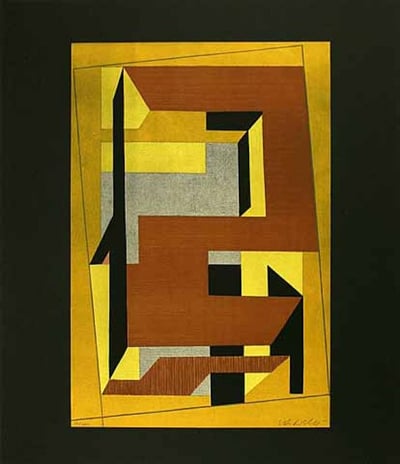
Victor Vasarely
Gordes Taira, 1971
Limited Edition Print
Lithograph
EUR 1,500

Victor Vasarely
La Certa, 1981
Limited Edition Print
Screen-print
EUR 1,400

Victor Vasarely
Gordes Tabor, 1971
Limited Edition Print
Lithograph
EUR 1,400
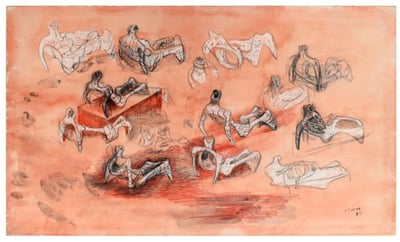
Henry Moore
Reclining Figures, 1939
Painting
Mixed Media
Inquire For Price
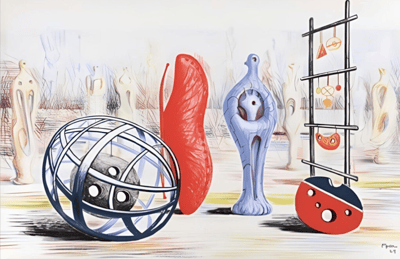
Henry Moore
Scultpural Objects School, 1949
Limited Edition Print
Lithograph
Inquire For Price
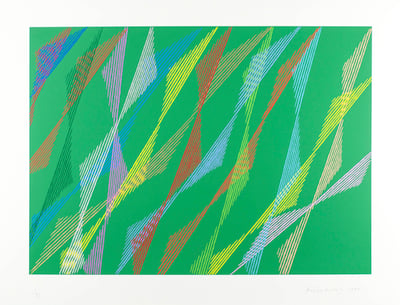
Piero Dorazio
La Ribambelle Des Gobelins II, 1992
Limited Edition Print
Silkscreen
EUR 1,750
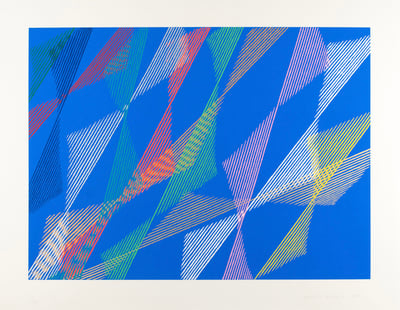
Piero Dorazio
La Ribambelle Des Gobelins I, 1992
Limited Edition Print
Silkscreen
EUR 1,750
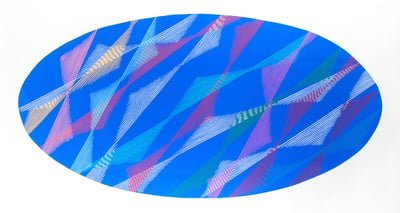
Piero Dorazio
Ellisse blu, 1989
Limited Edition Print
Silkscreen
EUR 2,400
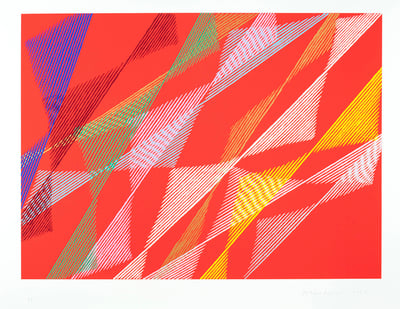
Piero Dorazio
La Ribambelle Des Gobelins IV, 1992
Limited Edition Print
Silkscreen
EUR 1,750
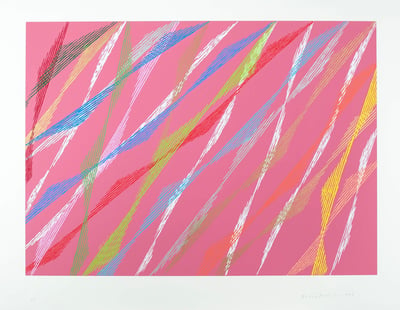
Piero Dorazio
La Ribambelle Des Gobelins V, 1992
Limited Edition Print
Silkscreen
EUR 1,750
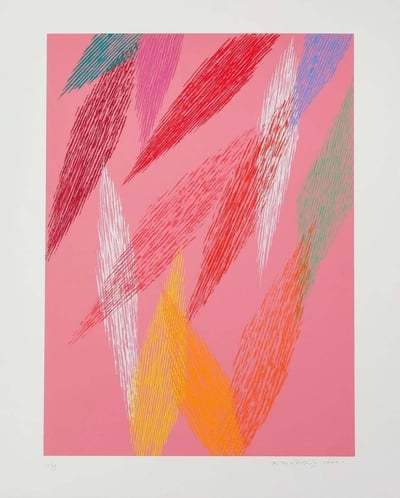
Piero Dorazio
Pink Abstract, 1992
Limited Edition Print
Silkscreen
EUR 1,750

Victor Vasarely
Olla, 1988
Limited Edition Print
Silkscreen
Inquire For Price

Victor Vasarely
Thez I, 1986
Limited Edition Print
Silkscreen
Inquire For Price

Victor Vasarely
Metagalaxie, 1989
Limited Edition Print
Silkscreen
Inquire For Price
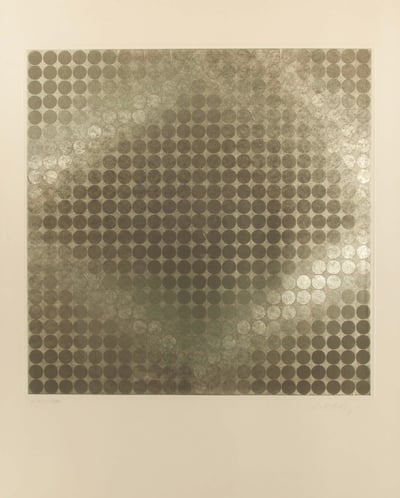
Victor Vasarely
Di.am, ca. 1980
Limited Edition Print
Silkscreen
Inquire For Price
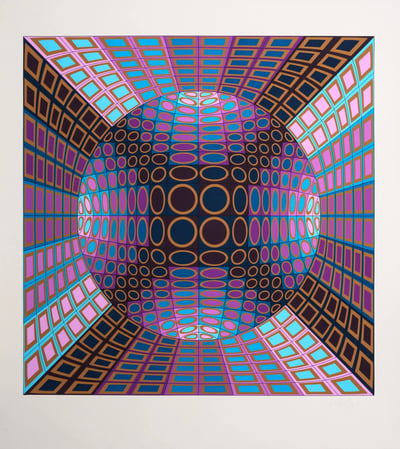
Victor Vasarely
Niels Bohr, 1981
Limited Edition Print
Silkscreen
Inquire For Price
Related Articles



Gestural art is a term that describes painting with freely sweeping brushstrokes. The primary goal of gestural art is to allow the artist to physically express emotional impulses. The varied, yet expressive paint marks are intended to convey the artist's inner thoughts and emotions, which viewers are believed to understand through the dynamic and spontaneous application of paint.

Plaster is a mixture of heat-treated powdered gypsum combined with water to create a workable material. It can be used to make solid sculptures, cast in molds, carved, modeled, or attached to other materials. Artists have used plaster for both working models and finished artworks for centuries due to its versatility.

Sand consists of loose grains of material primarily made up of minerals like quartz, mica, and feldspar, as well as small fragments of rocks. Sand paintings are created by pouring colored sand into intricate designs, often for cultural rituals or special celebrations. These designs can take many days to complete and are traditionally brushed away after the ceremony, emphasizing the impermanence of the artwork.
Can't find your Answer?
Thank you! Your question has been sent — we'll get back to you shortly.
