
What is Cubism?
- Show All
- Established
- Discoveries
- Show All
Artworks Related to Cubism
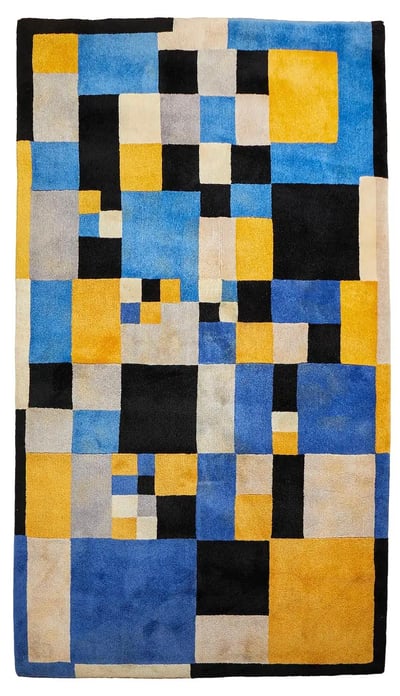
Sonia Delaunay
Carrés Magique, c. 1980
Tapestry
Tapestry
EUR 10,900

Pablo Picasso
DANAÉ (B. 1084; BA. 1286), 1962
Limited Edition Print
Linocut
Inquire For Price
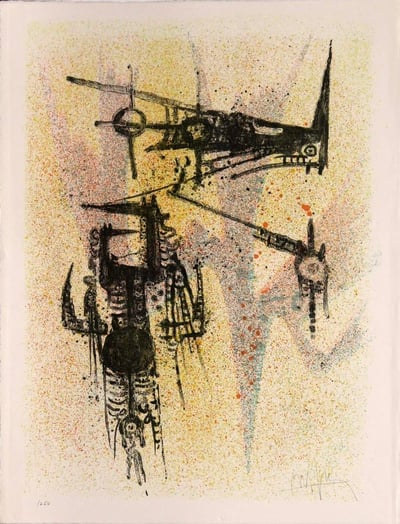
Wifredo Lam
Untitled (from the Flight), 1968
Limited Edition Print
Lithograph
USD 1,100

Pablo Picasso
Le peintre et son modele, 1954
Limited Edition Print
Lithograph
EUR 23,500

Georges Braque
Nature Morte, 1933
Limited Edition Print
Lithograph
Inquire For Price
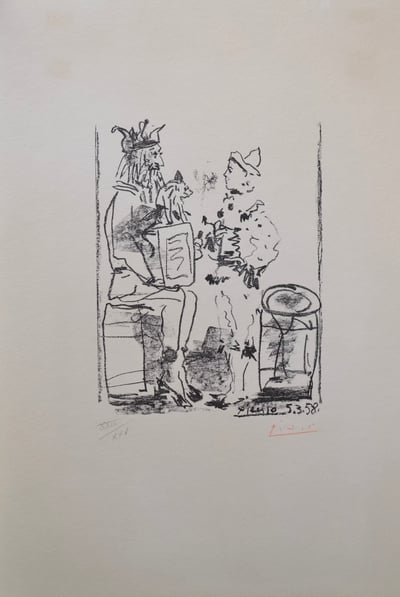
Pablo Picasso
Les Saltmbanque (B855), 1958
Limited Edition Print
Lithograph
USD 8,950
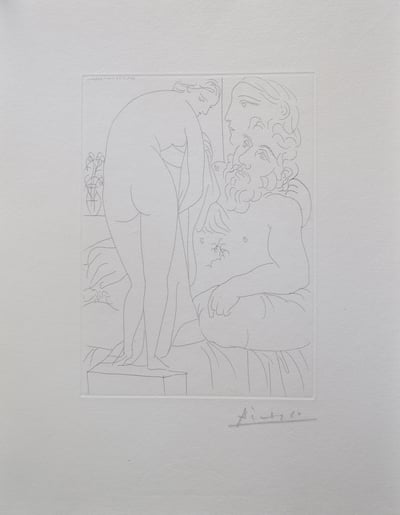
Pablo Picasso
Le repos du sculpteur devant un nu à la draperie, pl. 51 (B160 Vollard), 1933-1939
Limited Edition Print
Etching
USD 14,250
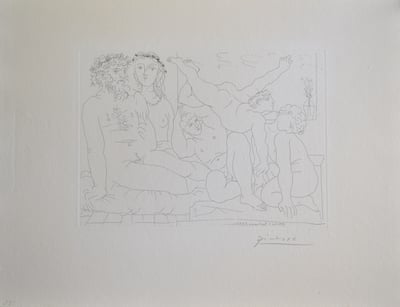
Pablo Picasso
Famille de Saltimbanques (B163 Vollard), 1933-1939
Limited Edition Print
Etching
USD 14,250

Pablo Picasso
Modèle et Grande Tête Sculptée (B170 Vollard), 1933
Limited Edition Print
Etching
USD 15,500
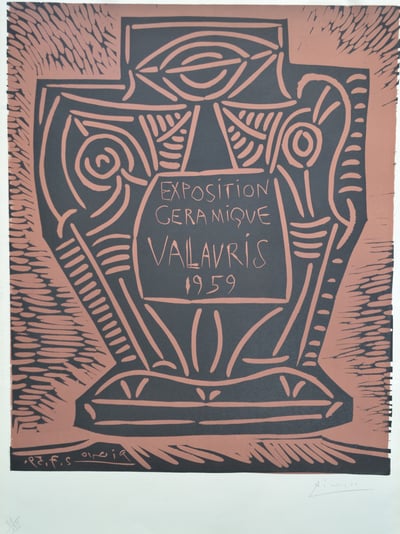
Pablo Picasso
Exposition Céramique Vallauris - B1286 , 1959
Limited Edition Print
Linocut
USD 10,700
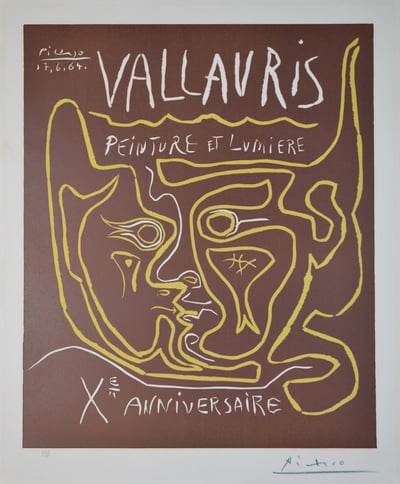
Pablo Picasso
Vallauris Exhibition - B1850, 1964
Limited Edition Print
Linocut
USD 10,700

Pablo Picasso
Femme assise en pyjama de plage. II - B1062, 1961
Limited Edition Print
Linocut
USD 17,750

Alberto Giacometti
Tête d'homme III, 1964
Limited Edition Print
Lithograph
USD 14,500

Helena Vieira da Silva
Azteque (Tumulus), 1971
Limited Edition Print
Lithograph
Currently Not Available

Helena Vieira da Silva
Untitled (Rua das Chagas), 1987
Limited Edition Print
Lithograph
Currently Not Available
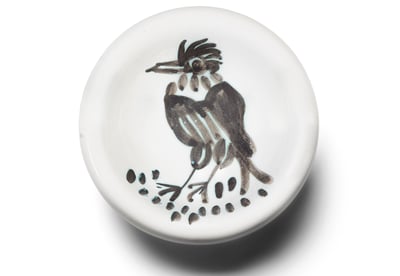
Pablo Picasso
Bird with tuft, 1952
Sculpture / Object
Clay
USD 3,900
Related Articles

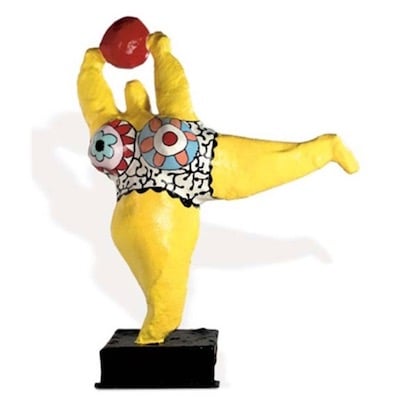
Papier-mâché is a composite material made from pieces of paper or pulp, reinforced with textiles and bound with adhesives like starch, wallpaper paste, or glue. There are two main methods to create papier-mâché: one involves layering strips of paper soaked in adhesive, while the other uses a pulp made by boiling or soaking paper and then adding glue. Though each method has a different process, both yield similar results.

Ephemeral art is a type of art that occurs only once and typically lasts for a very short period. It cannot be displayed as a traditional work of art in a gallery or museum. Examples of ephemeral art include performances, happenings, sound sculptures, flyers, and mass-produced items. This art form emphasizes the transient nature of the experience, existing only in the moment and often leaving no lasting physical trace.

Digital art refers to artistic practices or works that utilize digital technology as an essential component of both the creation and presentation process. Since the 1970s, various terms like multimedia and computer art have been used to describe this practice. Digital art is a subset of the broader category known as new media art, which has brought significant changes to the art world. Technology has transformed traditional forms of painting, drawing, sound/music, and sculpture into new digital formats, expanding the possibilities of artistic expression.
Can't find your Answer?
Thank you! Your question has been sent — we'll get back to you shortly.
