
What is Cubism?
- Show All
- Established
- Discoveries
- Show All
Artworks Related to Cubism

Pablo Picasso
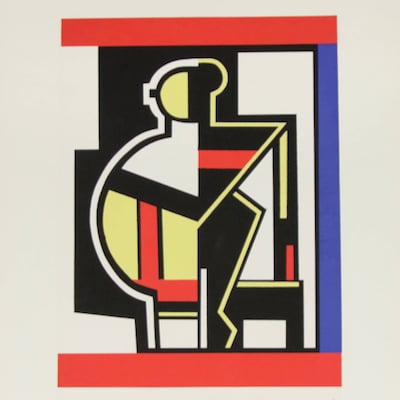
Face With Circles R140, 1969
Ceramics
Ceramic
USD 15,500
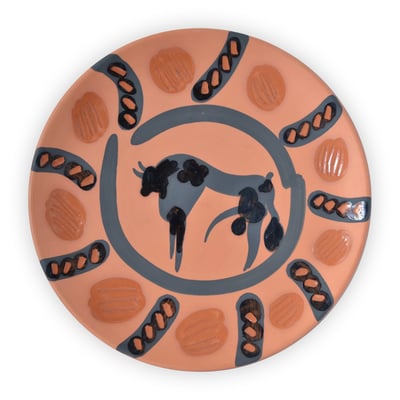
Pablo Picasso
Bull #392 R529, 1957
Ceramics
Plate
USD 15,900
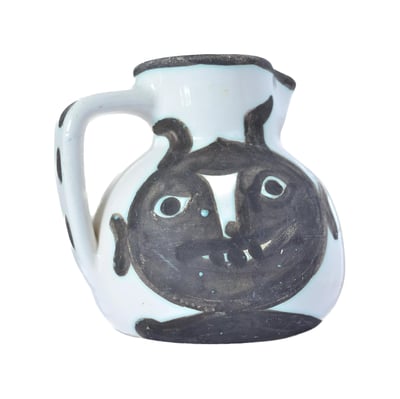
Pablo Picasso
Heads #367 (Ceramic Pitcher), 1956
Ceramics
Ceramic
USD 6,400

Pablo Picasso
Big Fish #332 B95, 1956
Ceramics
Plate
USD 17,800

Pablo Picasso
Picador, 1952
Ceramics
Plate
USD 6,700

Marc Chagall
The infant being revived by Elijah - MCH84
Limited Edition Print
Etching
USD 8,600

Marc Chagall
Joshua reading The Word Of The Law - MCH47
Limited Edition Print
Etching
USD 8,600

Marc Chagall
The suffering of Jeremiah - MCH103
Limited Edition Print
Etching
USD 8,600

Marc Chagall
L’Abre Fleuri - M915, 1977
Limited Edition Print
Lithograph
USD 11,900

Marc Chagall
Odyssey - M754
Limited Edition Print
Lithograph
USD 14,250

Marc Chagall
Enchanted Flute - M665
Limited Edition Print
Lithograph
USD 14,500

Marc Chagall
Jonah Against A Blue Background - M661
Limited Edition Print
Lithograph
USD 14,250

Marc Chagall
By the window - M624
Limited Edition Print
Lithograph
USD 13,200

Marc Chagall
20th Century Stage 2 - M470, 1966
Limited Edition Print
Lithograph
USD 14,250

Marc Chagall
D.C Daphne And Chloe - M317
Limited Edition Print
Lithograph
USD 21,300
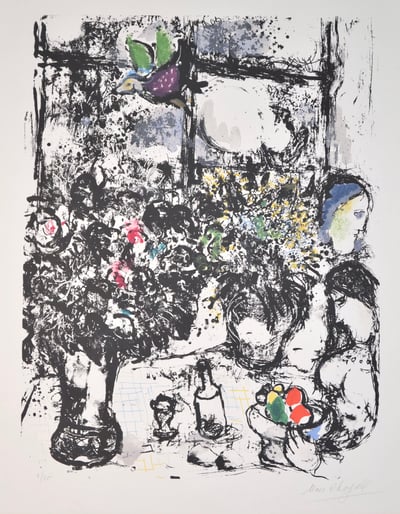
Marc Chagall
Nature Morte En Bouquet - M299
Limited Edition Print
Lithograph
USD 14,700
Related Articles

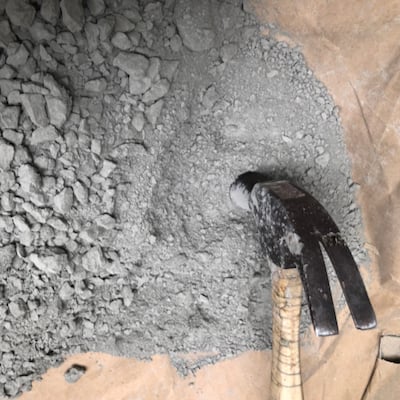
Cement refers to a variety of mixtures, typically made from clay, limestone, water, sand, and gravel, which form concrete used in construction. The term to cement also means to join or unite materials. In art, cement can refer to the process of securely gluing or bonding elements together, often used in sculptural work or mixed media.
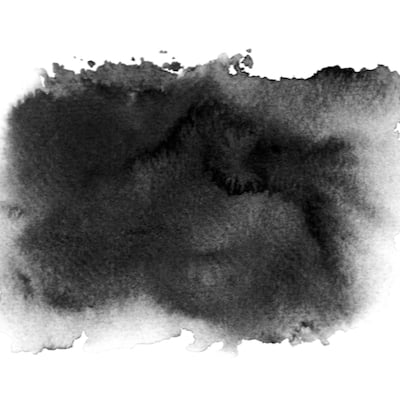
Ink is a colored liquid or paste used for writing, drawing, painting, and printing. The term also refers to the process of applying ink to mark, cover, stain, draw, or trace over pencil lines. Ink can be applied using various tools, such as pens, brushes, and quills.

New British Sculpture is the name referring to the work produced by a group of sculptors, installation artists, and other creators who exhibited together in London during the 1980s. This group included artists like Richard Deacon, Richard Wentworth, and Tony Cragg. Tim Woods helped define this movement by identifying four major themes: the blending of kitsch and pop culture, the use of UK urban waste in a bricolage style, the assignment of new meanings to everyday objects, and a playful approach using wit and humor.
Can't find your Answer?
Thank you! Your question has been sent — we'll get back to you shortly.
