
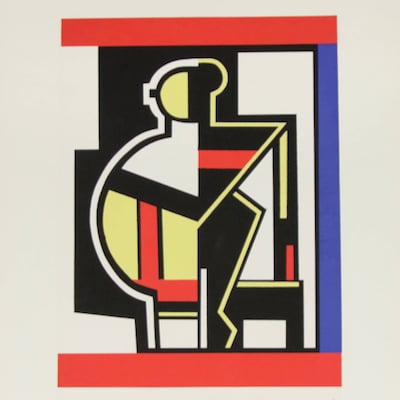
What is Cubism?
- Show All
- Established
- Discoveries
- Show All
Artworks Related to Cubism

Marc Chagall
Sarah And Abimelech - M239
Limited Edition Print
Lithograph
USD 9,500
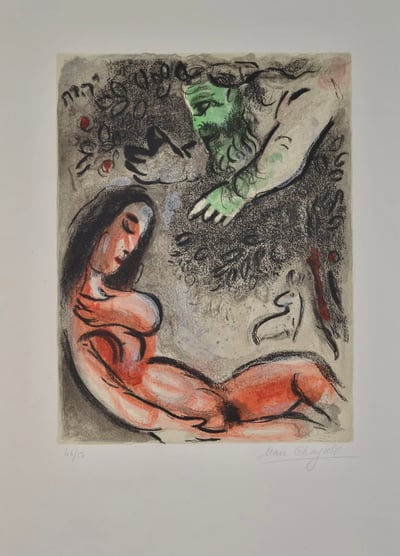
Marc Chagall
Eve Incurs God Displeasure - M236
Limited Edition Print
Lithograph
USD 8,500

Marc Chagall
Colour Amour, La Bette Bleu, 1940 - 1958
Limited Edition Print
Lithograph
USD 1,500
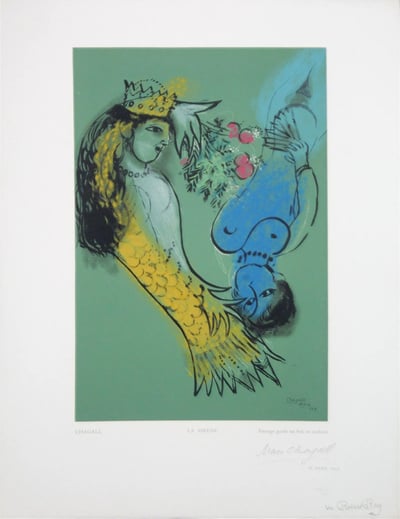
Marc Chagall
La Sirene, 1950
Limited Edition Print
Woodblock printing
USD 7,350
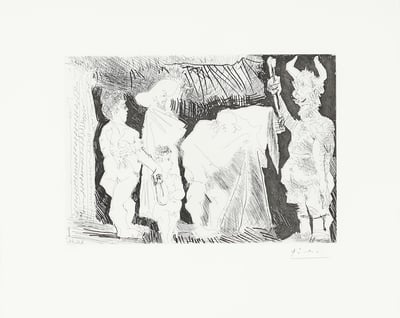
Pablo Picasso
Le Cocu Posant pour une photographie devant des spectateurs, 1966
Limited Edition Print
Etching and Aquatint
USD 7,950

Pablo Picasso
Peintre Avec Deux Modeles Regardant une Toile, 1927
Limited Edition Print
Etching
USD 7,950

Marc Chagall
Composition A L'Horloge, 1967
Limited Edition Print
Etching and Aquatint
EUR 5,000

Marc Chagall
Le Veau d'or, 1958
Limited Edition Print
Etching and Aquatint
Currently Not Available

Marc Chagall
Paysage, 1956
Limited Edition Print
Lithograph
USD 4,600

Helena Vieira da Silva
Les Grilles, 1961
Limited Edition Print
Lithograph
EUR 1,350

Helena Vieira da Silva
L’Échiquier , 1961
Limited Edition Print
Lithograph
EUR 1,750

Willem de Kooning
Rainbow: Thelonious Monk Devil at, 1972/76
Limited Edition Print
Lithograph
USD 4,200

Al Held
Pradorama, 1991
Limited Edition Print
Lithograph
EUR 4,200

Willem de Kooning
Composition for lisa, 1984
Limited Edition Print
Lithograph
USD 10,000

Willem de Kooning
In Favor of Ones Time, 1988
Limited Edition Print
Lithograph
USD 1,700
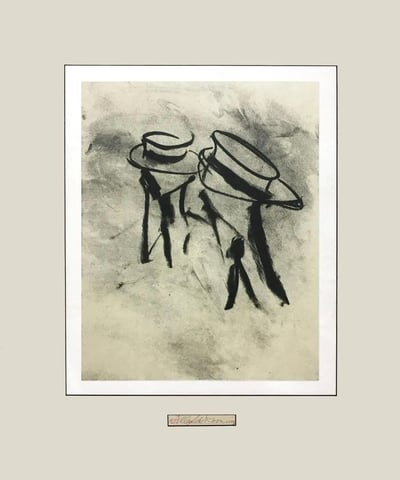
Willem de Kooning
You Are Gorgeous and Im Coming, 1988
Limited Edition Print
Lithograph
Inquire For Price
Related Articles
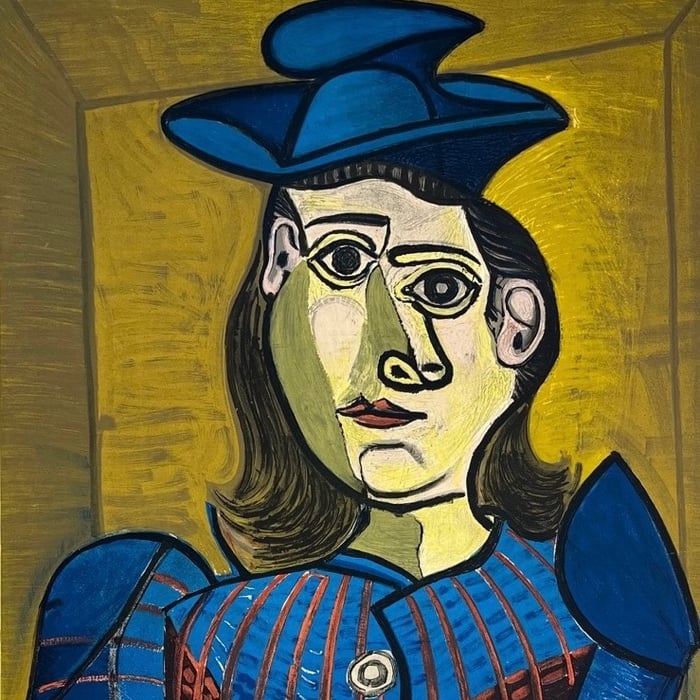
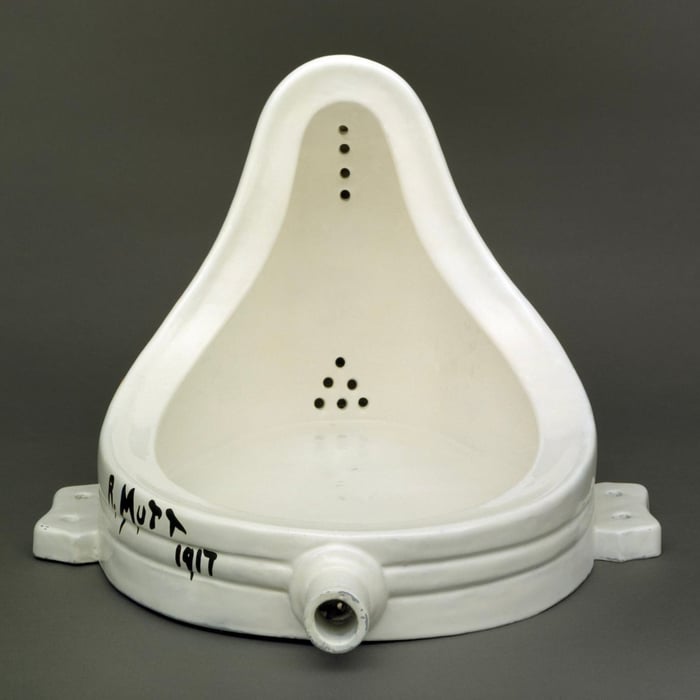

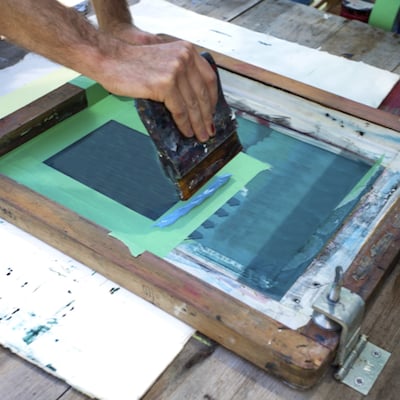
Serigraph is a printmaking process that uses silk screen techniques to create an image. The image is digitally separated into individual colors, each of which is assigned to a separate silk screen. These screens are then used to apply each color by hand, layer by layer, to replicate the original artwork, often based on an oil painting.

New Topographics is a term coined in 1975 by curator William Jenkins to describe a group of photographers whose work focused on formal black-and-white images of urban and industrial landscapes. Jenkins initially described their aesthetic as banal, but the photographers themselves argued that their compositions were as significant as those of natural landscapes, emphasizing the beauty in everyday, man-made environments.
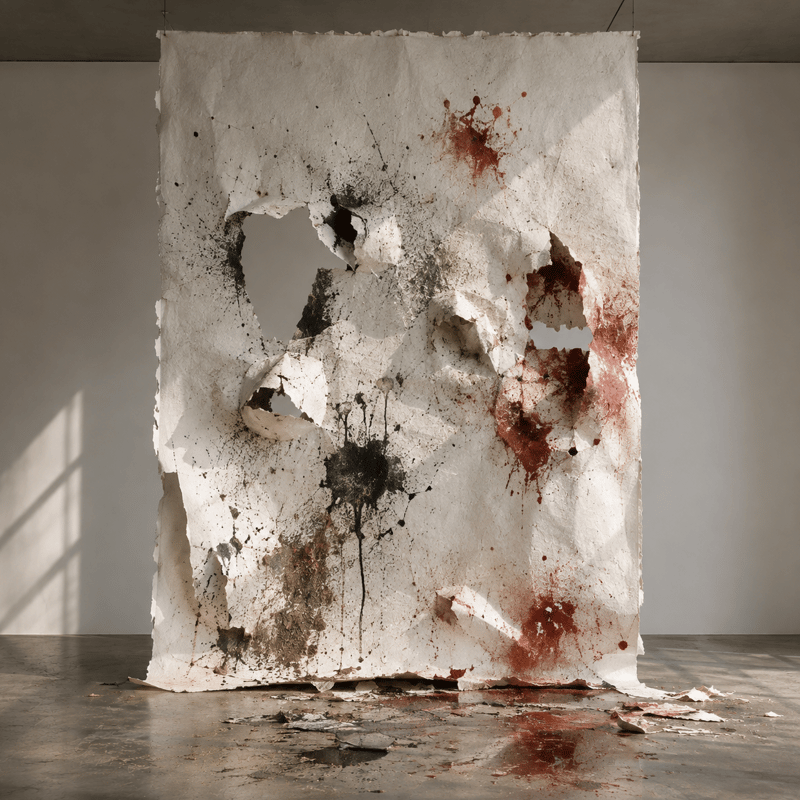
Gutai was a group of Japanese radical artists who formed the Gutai Art Association in 1954. The word Gutai translates to embodiment. The group was known for creating art on the spot for live audiences, often incorporating their own physical movements. Their performances included actions like throwing paint, piercing paper, and rolling in mud, emphasizing the direct interaction between the body and the material.
Can't find your Answer?
Thank you! Your question has been sent — we'll get back to you shortly.
