
What is Cubism?
- Show All
- Established
- Discoveries
- Show All
Artworks Related to Cubism

Louise Nevelson
Bicentennial Dawn, 1976
Limited Edition Print
Serigraph
USD 1,450

Louise Nevelson
Winter chord, 1974
Sculpture / Object
Wood
EUR 14,850

Louise Nevelson
Untitled (Red Rectangle on Black), 1975
Limited Edition Print
Silkscreen
EUR 5,450

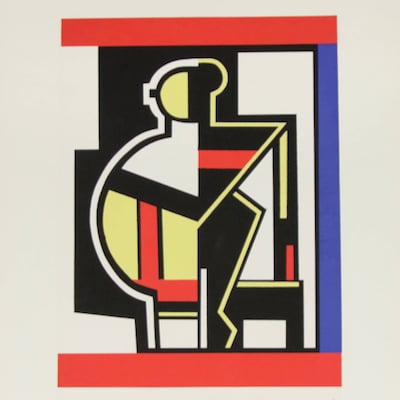
Sonia Delaunay
Le Guépard, 1970
Limited Edition Print
Silkscreen
EUR 4,250

Georges Braque
Les Champs M#1045, 1962
Limited Edition Print
Lithograph
USD 5,000
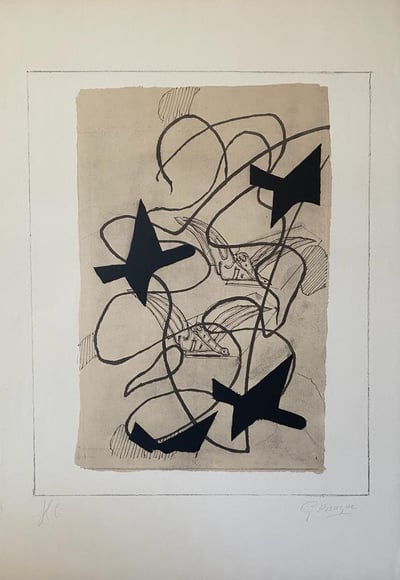
Georges Braque
L'envol
Limited Edition Print
Lithograph
USD 6,250

Georges Braque
Le Lierre #99 , 1955
Limited Edition Print
Etching
USD 4,375

Georges Braque
La Liberte Des Mers (Vallier 143), 1959
Limited Edition Print
Lithograph
USD 4,375

Georges Braque
La Chaise M #1046 , 1962
Limited Edition Print
Lithograph
USD 5,000
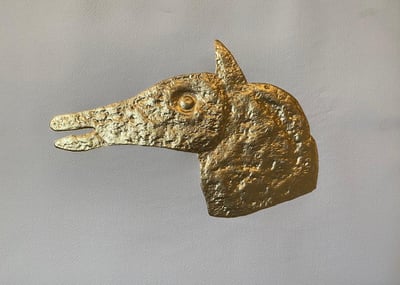
Georges Braque
Aréion (Horse), 1971
Limited Edition Print
Embossing
USD 1,150

Georges Braque
Greek Profile M. 76 – 146, 1960
Limited Edition Print
Lithograph
USD 3,750
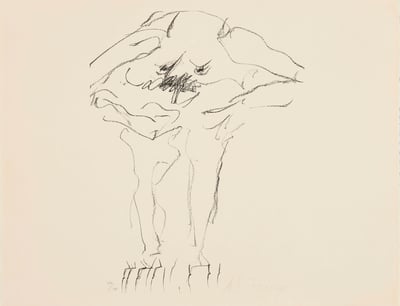
Willem de Kooning
Clam Digger, 1966
Limited Edition Print
Lithograph
USD 3,950

Marcel Duchamp
La Mariée (The bride), 1934
Limited Edition Print
Aquatint
Currently Not Available

Alberto Giacometti
Nue Debout , 1961
Limited Edition Print
Lithograph
Currently Not Available

Alberto Giacometti
Femme Nue Debout avec le bras drout levé - signed, 1961
Limited Edition Print
Lithograph
USD 8,000

Alberto Giacometti
Buste d'une femme regardant a gauche - signed, 1964
Limited Edition Print
Lithograph
USD 6,200
Related Articles
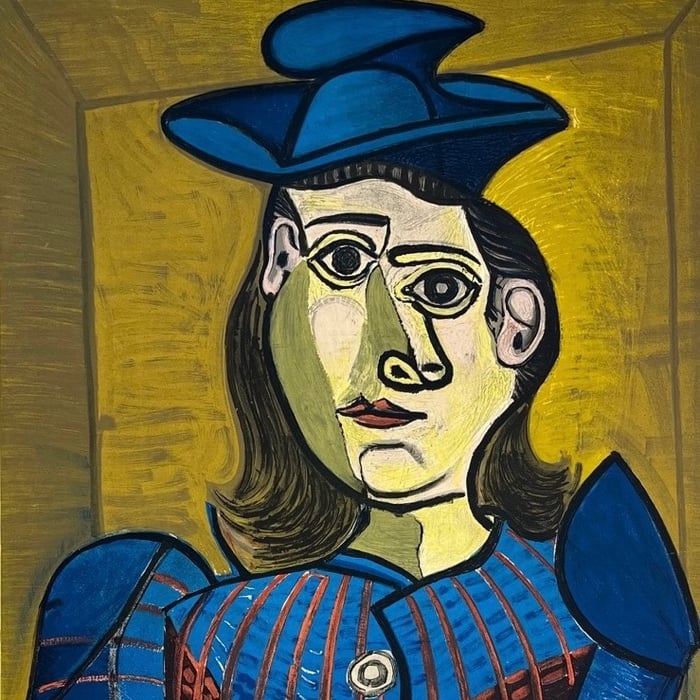
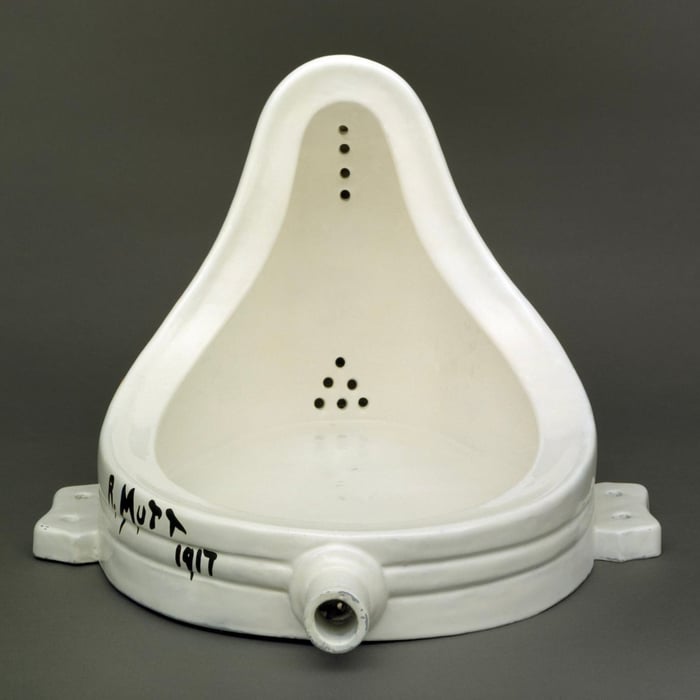


Massurrealism is a portmanteau word coined by American artist James Seehafer in 1992. He observed a trend among postmodern artists who blended themes and aesthetic styles with mass media, including elements of pop art. Massurrealism is a development of surrealism that emphasizes the technological effects on the imagery of contemporary surrealism. The key difference between massurrealism and surrealism is that the latter was founded in Europe at the beginning of the 20th century, while massurrealism is rooted in the influence of modern technology and media.

Clay is a natural material formed when rocks break down over time due to weathering. Water carries the fine particles of earth, which accumulate as a soft, sticky substance called muck. This muck is collected, cleaned, and refined by removing impurities like rocks and adding sand to improve its texture, resulting in usable clay.

A curator is a professional responsible for managing and overseeing a collection of art pieces or artifacts. Employed by a gallery or museum, curators use their expertise to acquire, develop, display, and care for the collection. They also organize exhibitions and ensure that the collection is accessible to the public.
Can't find your Answer?
Thank you! Your question has been sent — we'll get back to you shortly.
