
What is Cubism?
- Show All
- Established
- Discoveries
- Show All
Artworks Related to Cubism

Pablo Picasso
Le Cocu magnifique I, 1968
Limited Edition Print
Etching
EUR 11,900
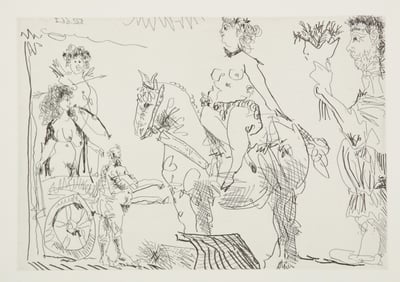
Pablo Picasso
Le Cocu magnifique, 1968
Limited Edition Print
Etching
EUR 11,900
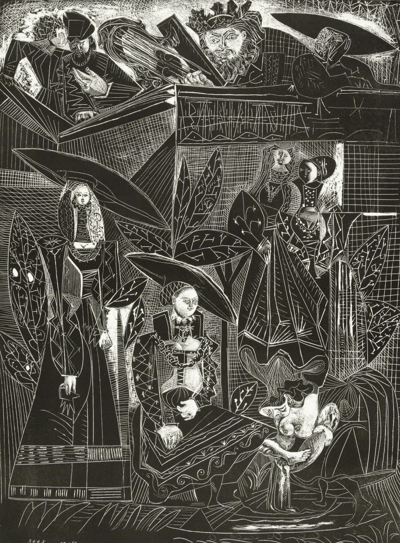
Pablo Picasso
David Et Bethsabée, 1949
Limited Edition Print
Lithograph
EUR 40,400

Helena Vieira da Silva
Grottes, 1971
Limited Edition Print
Lithograph
Currently Not Available

Wifredo Lam
Contre une maison sèche (light), 1977
Limited Edition Print
Etching and Aquatint
USD 1,100
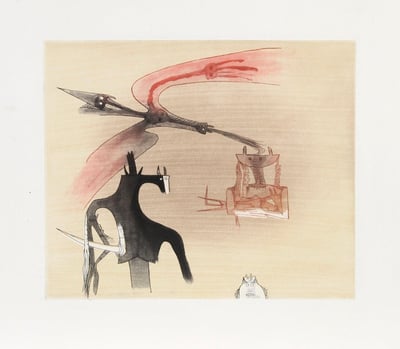
Wifredo Lam
Contre une maison sèche (red), 1977
Limited Edition Print
Etching and Aquatint
USD 1,100

Sonia Delaunay
Totem, 1970
Limited Edition Print
Lithograph
EUR 4,850

Louise Nevelson
Lullaby for Jumbo, 1966
Limited Edition Print
Serigraph
Currently Not Available
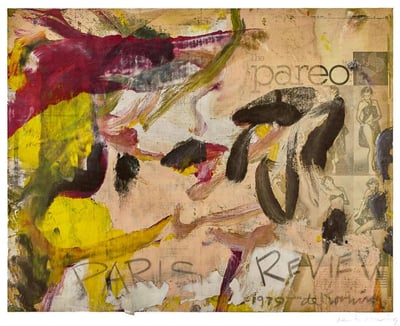
Willem de Kooning
Paris Review, 1979
Limited Edition Print
Lithograph
Currently Not Available

Louise Nevelson
Nursery rhyme, 1966
Limited Edition Print
Serigraph
Inquire For Price

Louise Nevelson
Dark song, 1966
Limited Edition Print
Serigraph
Currently Not Available
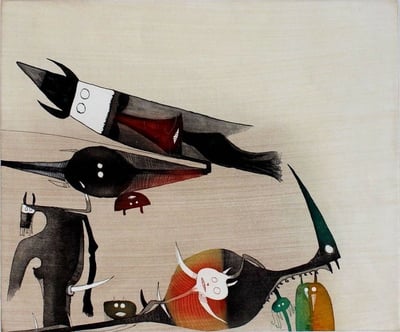
Wifredo Lam
Sans titre - XXe siecle plate #5, 1977
Limited Edition Print
Etching and Aquatint
USD 1,100
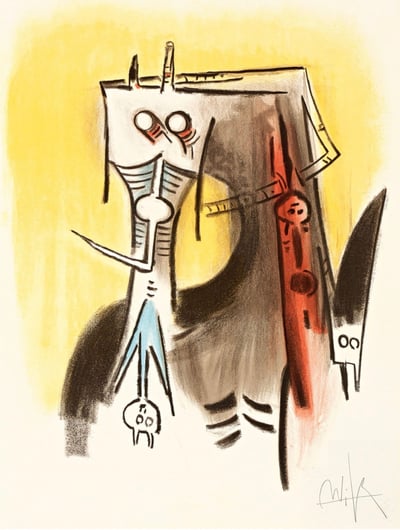
Wifredo Lam
Le regard vertical #1, 1973
Limited Edition Print
Lithograph
Currently Not Available

Sonia Delaunay
Gravure I, 1970
Limited Edition Print
Etching
USD 1,950
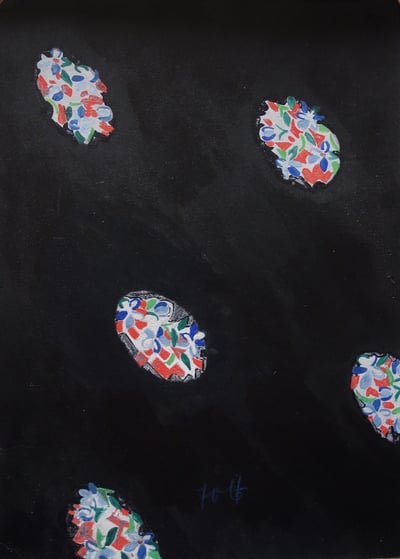
Sonia Delaunay
Untitled (gouache)
Painting
Gouache
GBP 10,150

Helena Vieira da Silva
Faïence, 1971
Limited Edition Print
Lithograph
Currently Not Available
Related Articles

A movement and style in art that originated in Italy during the 1960s. It integrates elements of minimalism, performance art, and conceptual art by using everyday or seemingly worthless materials, such as newspapers, stones, or rags. The goal was to challenge and subvert the commercialization of art.

Chinese Contemporary Art is marked by a wide range of styles and experimental approaches. In the 1980s, avant-garde exhibitions were often shut down by government officials. The 1990s saw the rise of political pop and cynical realism, while China's One-Child Policy influenced artists to explore the individual as a subject matter.

Xiamen Dada was a Chinese artist group based in Xiamen, a city on China’s southeast coast. Emerging in the 1980s, the group explored the relationship between Chan Buddhism and European Dada, embracing absurdity and the use of chance in the creation of their artworks. Xiamen Dada sought to challenge conventional artistic norms, blending Eastern philosophy with the avant-garde practices of Dada, and became known for their provocative and unconventional approach to art.
Can't find your Answer?
Thank you! Your question has been sent — we'll get back to you shortly.
