
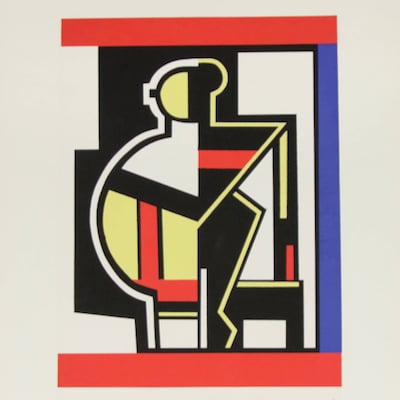
What is Cubism?
- Show All
- Established
- Discoveries
- Show All
Artworks Related to Cubism
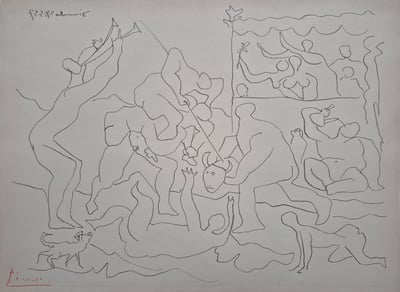
Pablo Picasso
Jeu de corrida, 1957
Limited Edition Print
Etching
EUR 6,000
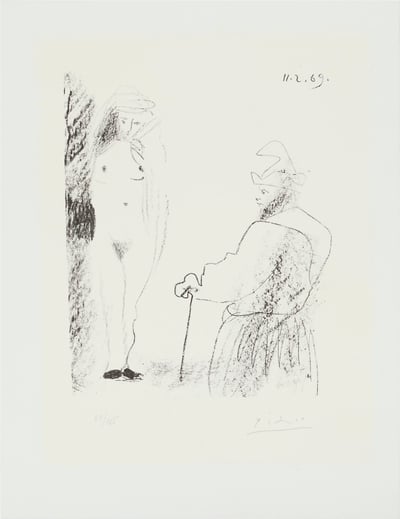
Pablo Picasso
Femme Nue et Homme à la Canne, 1969
Limited Edition Print
Lithograph
USD 4,950

Pablo Picasso
L'Ecuyère, 1960
Limited Edition Print
Lithograph
USD 2,500
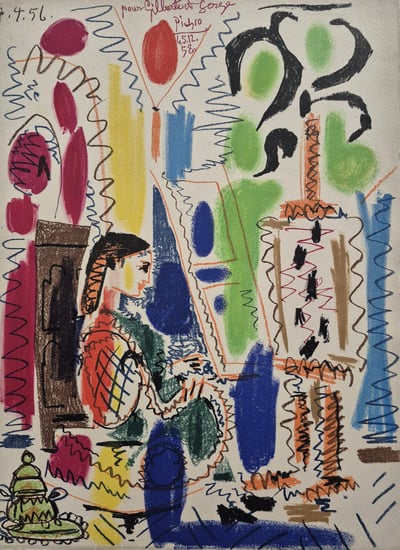
Pablo Picasso
L'Atelier Cannes, 1956/58
Limited Edition Print
Lithograph
EUR 6,000

Pablo Picasso
Femme Veillant une Dormeuse, 1932
Limited Edition Print
Etching
USD 7,500

Pablo Picasso
Visage de Faune Tourmente, 1956
Ceramics
Plate
USD 18,000

Georges Braque
Les Oiseaux Blancs, 1958
Limited Edition Print
Lithograph
USD 8,000
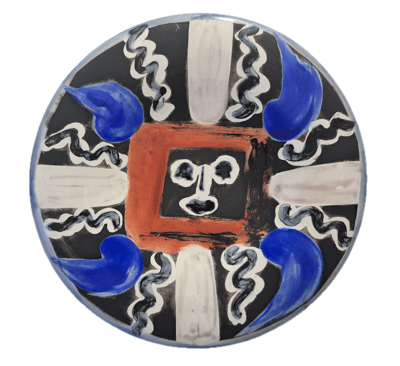
Pablo Picasso
Visage No. 54, 1963
Ceramics
Plate
EUR 9,800

Marc Chagall
The Bay of Angels (La Baie des Anges), 1962
Limited Edition Print
Lithograph
EUR 7,200

Pablo Picasso
Three drinkers, 1961
Limited Edition Print
Lithograph
EUR 5,000
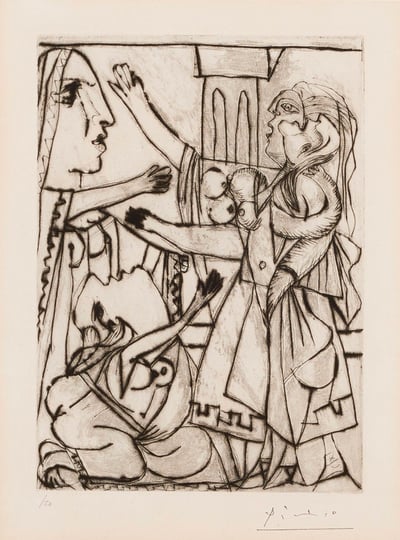
Pablo Picasso
La plainte des femmes, 1933 / 1961
Limited Edition Print
Mixed Media
USD 7,800
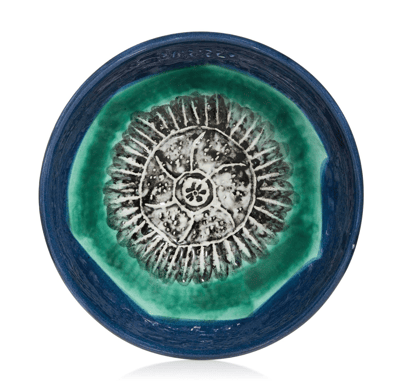
Pablo Picasso
Oursin (A.R. 268), 1955
Sculpture / Object
Plate
USD 7,000 - 9,000

Louise Nevelson
Sky Flower, 1977
Limited Edition Print
Collage
USD 5,000 - 6,000

Pablo Picasso
Filles entre elles, dont une avec une fleur, 1971
Limited Edition Print
Drypoint
Inquire For Price
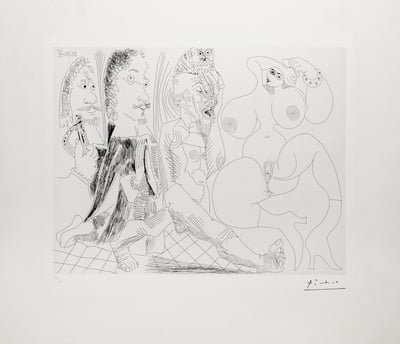
Pablo Picasso
Mousquetaire, Abbé en Priére, Vieillard a la Chouette Et Odalisque: Méduse, Vierge ou Smple Femme?, 1970
Limited Edition Print
Etching
Inquire For Price

Pablo Picasso
60 Years of Graphic Works, 1966
Limited Edition Print
Lithograph
USD 6,900
Related Articles
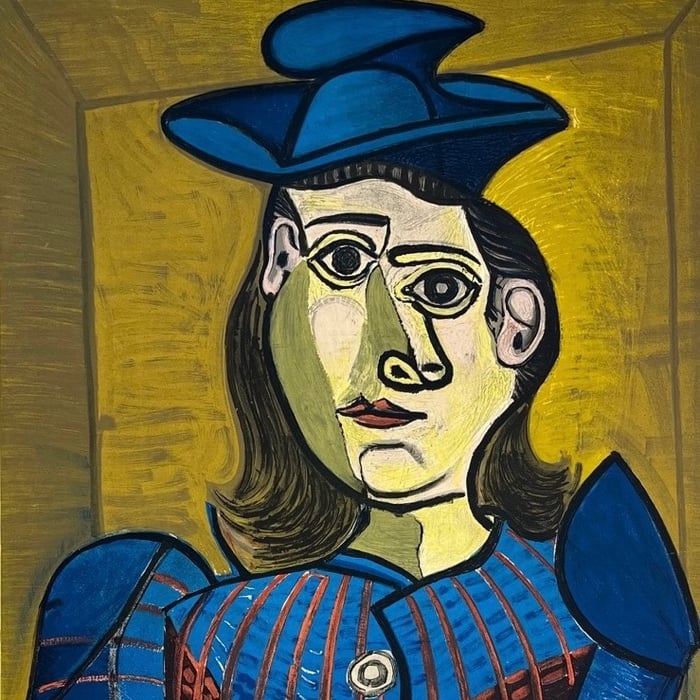
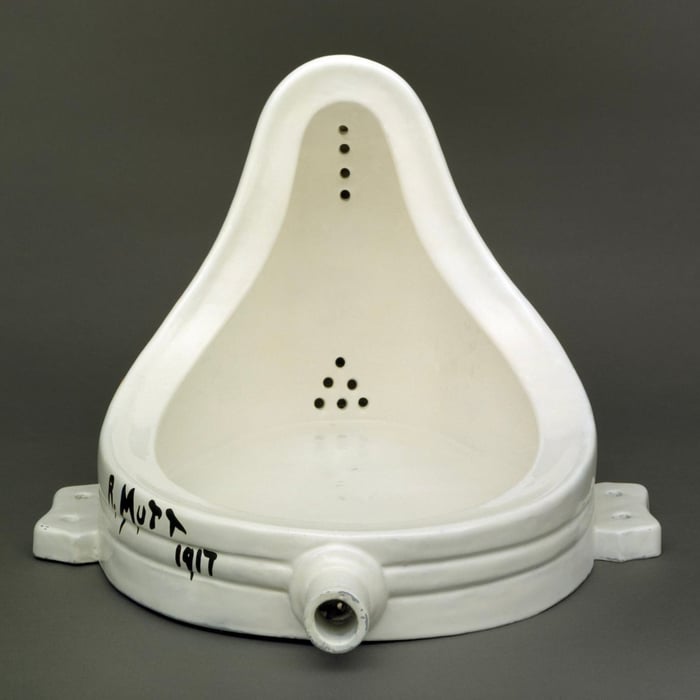


Bricolage is the creation or construction of a piece of art using materials that are readily available to the artist. The term is French and roughly translates to do-it-yourself. This approach became popular when materials were scarce, encouraging artists to improvise and repurpose everyday objects. Bricolage emphasizes creativity and resourcefulness, often resulting in artworks that reflect the unique character of the materials used.
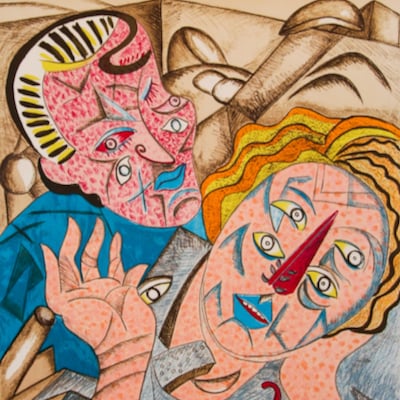
Arte Nucleare was the name of an artist group founded in Milan in 1951. The group aimed to create art that responded to the dangers and technologies of the nuclear age. Their works often utilized automatic techniques and depicted devastated landscapes and mushroom clouds, reflecting the anxieties of a world on the brink of nuclear catastrophe.
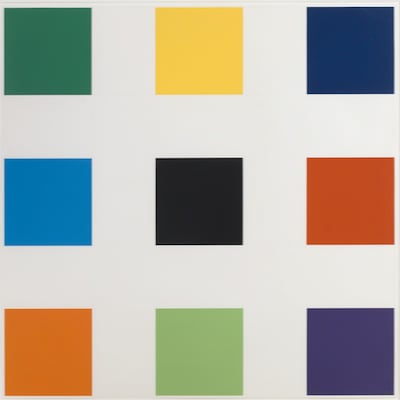
Hard Edge art is a style of abstract painting that became popular in the 1960s. It features areas of color separated by crisp, sharp edges that are painted with geometric precision. The term hard-edge painting was coined by art critic Jules Langsner to describe this approach, which contrasts with the softer, more fluid forms of other abstract styles.
Can't find your Answer?
Thank you! Your question has been sent — we'll get back to you shortly.
