
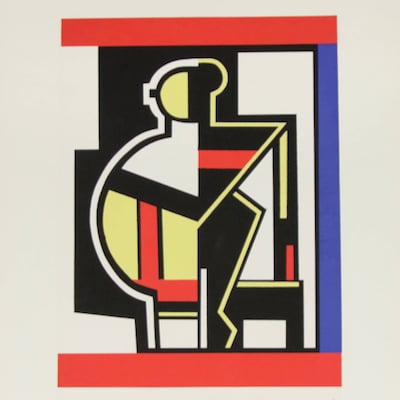
What is Cubism?
- Show All
- Established
- Discoveries
- Show All
Artworks Related to Cubism

Pablo Picasso
Le Clown, 1961
Limited Edition Print
Lithograph
Currently Not Available
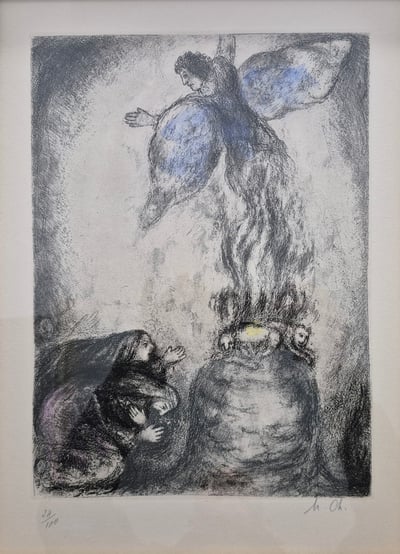
Marc Chagall
Sacrifice of Manoah, 1956
Limited Edition Print
Etching
EUR 4,200

Marc Chagall
Le Bouquet Blanc, 1969
Limited Edition Print
Lithograph
EUR 9,600

Pablo Picasso
Combat de centaures IV, 1959
Limited Edition Print
Lithograph
EUR 7,200

Pablo Picasso
Reclining Man in Turban and Belly Dancer, 1968
Limited Edition Print
Mixed Media
USD 3,950

Marc Chagall
The Tribe of Issachar, 1964
Limited Edition Print
Lithograph
Inquire For Price

Pablo Picasso
Paysage (Landscape), 1953
Sculpture / Object
Plate
USD 13,000 - 15,000

Pablo Picasso
Yan Barbu (Bearded Yan), 1963
Sculpture / Object
Clay
Inquire For Price

Pablo Picasso
Scène d'intérieur, 1926
Limited Edition Print
Lithograph
USD 8,850

Willem de Kooning
Rainbow: Thelonious Monk Devil at the Keyboard, 1972/76
Limited Edition Print
Lithograph
Currently Not Available

Marc Chagall
Autoportrait, 1968
Limited Edition Print
Etching and Aquatint
Inquire For Price
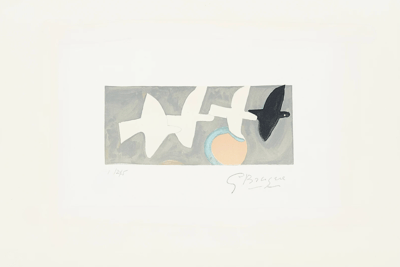
Georges Braque
Quatre Oiseaux, 1959
Limited Edition Print
Lithograph
Inquire For Price

Pablo Picasso
Groupe avec homme dans un fauteuil à boules, pl. 21 (from Serie 347), 1968
Limited Edition Print
Mixed Media
USD 16,000 - 20,000
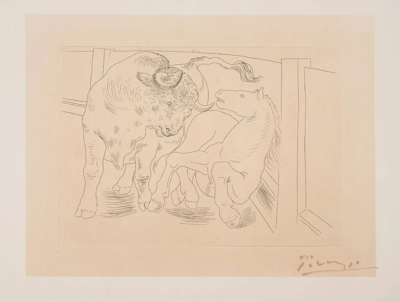
Pablo Picasso
Taureau et Cheval, 1927
Limited Edition Print
Etching
Inquire For Price

Willem de Kooning
Untitled from Self Portrait in a Convex Mirror, 1984
Limited Edition Print
Lithograph
Inquire For Price
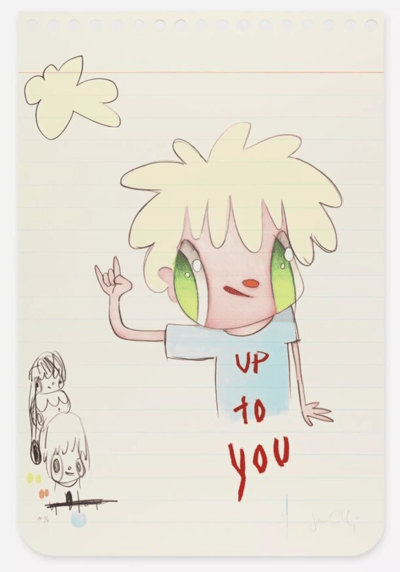
Javier Calleja
Up To You, 2020
Limited Edition Print
Mixed Media
Inquire For Price
Related Articles
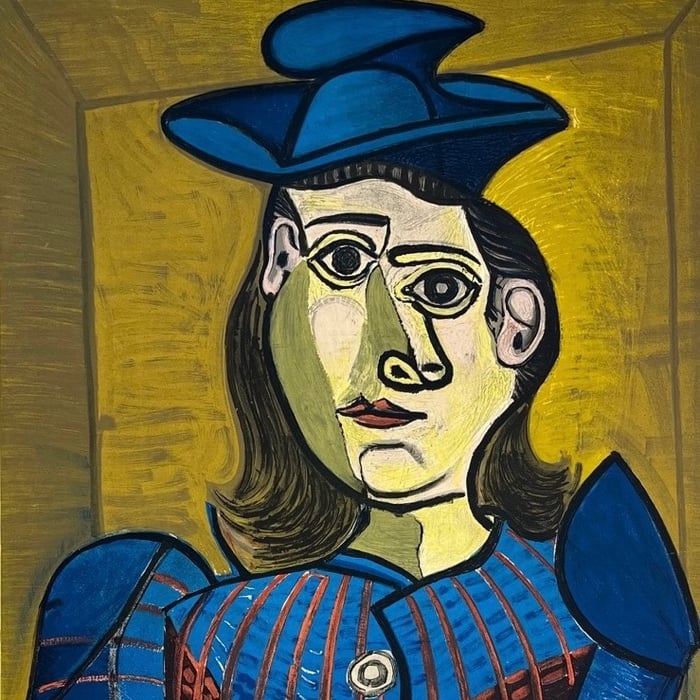
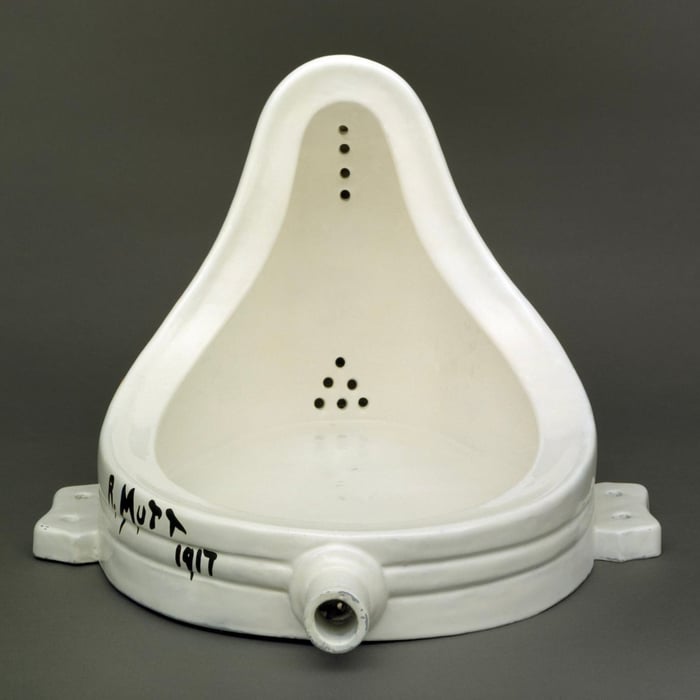


Screen printing is a technique where ink is transferred through a mesh onto a substrate, with areas blocked by a stencil to prevent ink from passing through. This method, also known as serigraphy or silkscreen printing, is commonly used to produce prints on posters, T-shirts, vinyl, stickers, wood, and other materials. The process is a type of stencil printing, allowing for vibrant, detailed designs on various surfaces.

Queer Aesthetics refers to an art movement that emerged in the 1980s, focusing on themes of homosexuality, lesbianism, and broader issues of identity and gender. This movement gained momentum in the context of the AIDS crisis and the feminist movement, challenging traditional representations of sexuality and gender. Queer Aesthetics often explores the fluidity of gender and identity, as seen in the works of artists like Nan Goldin, who is known for her photography of individuals with ambiguous or non-conforming gender presentations.

A limited edition print is one of a number of prints made at the same time from one printmaking plate. A fixed number are made and signed by the artist, indicating the printing order, using the format 1/10, meaning first of ten prints.
Can't find your Answer?
Thank you! Your question has been sent — we'll get back to you shortly.
