
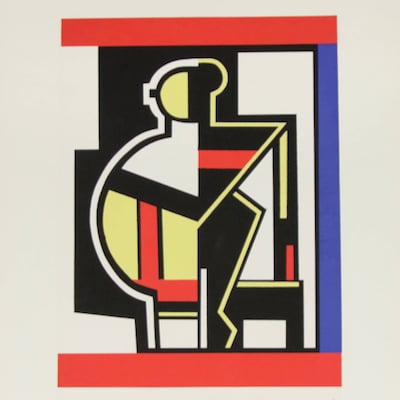
What is Cubism?
- Show All
- Established
- Discoveries
- Show All
Artworks Related to Cubism

Marc Chagall
Chloë's Kiss, from Daphnis and Chloë, 1962
Limited Edition Print
Lithograph
EUR 5,000

Marc Chagall
Philetas's Lesson, from Daphnis and Chloë, 1962
Limited Edition Print
Lithograph
EUR 6,200

Sonia Delaunay
Untitled, C. 1930
Drawing / Watercolor
Watercolor
EUR 4,200

Pablo Picasso
Le Clown, 1968
Limited Edition Print
Lithograph
USD 9,500

Pablo Picasso
L'Etreinte, 1963
Limited Edition Print
Etching
USD 7,750
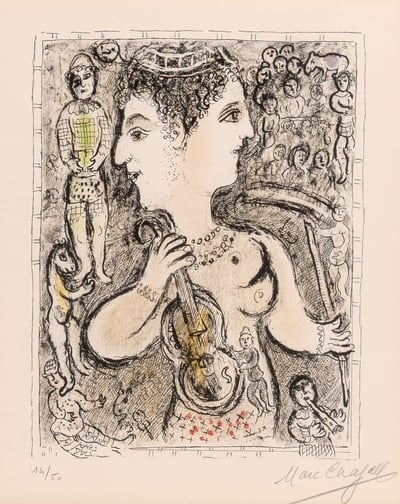
Marc Chagall
Double Visage, 1978
Limited Edition Print
Silkscreen
USD 5,310

Georges Braque
Vase de Fleurs Jaunes, c. 1955
Limited Edition Print
Aquatint
EUR 1,900

Javier Calleja
It wasn't me & Floating (Diptych), 2024
Limited Edition Print
Etching
EUR 4,800

Javier Calleja
Between The Lines , 2016
Limited Edition Print
Silkscreen
USD 21,300
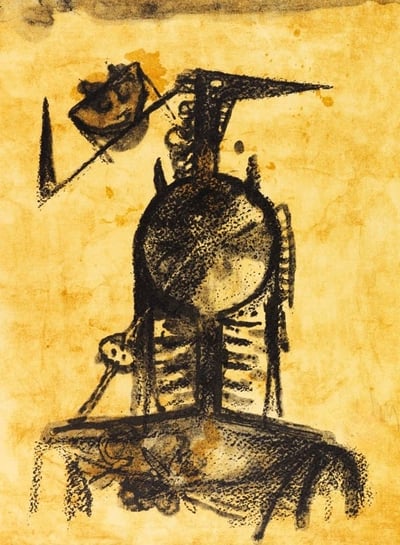
Wifredo Lam
Jean Cassou, 1975
Limited Edition Print
Lithograph
EUR 980
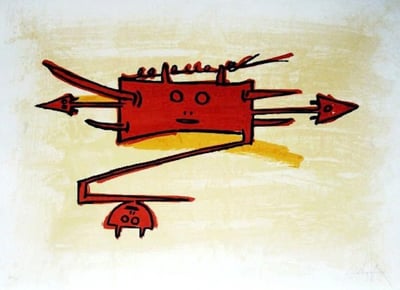
Wifredo Lam
El último viaje del buque fantasma VI, 1976
Limited Edition Print
Lithograph
EUR 850
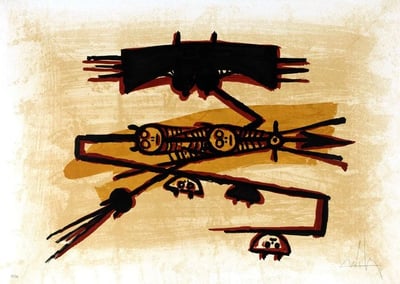
Wifredo Lam
El último viaje del buque fantasma III, 1976
Limited Edition Print
Lithograph
EUR 850
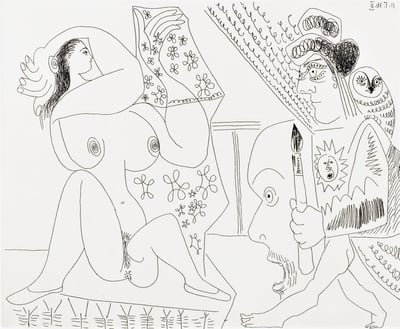
Pablo Picasso
Peintre et modèle , 1970
Limited Edition Print
Etching
EUR 2,400
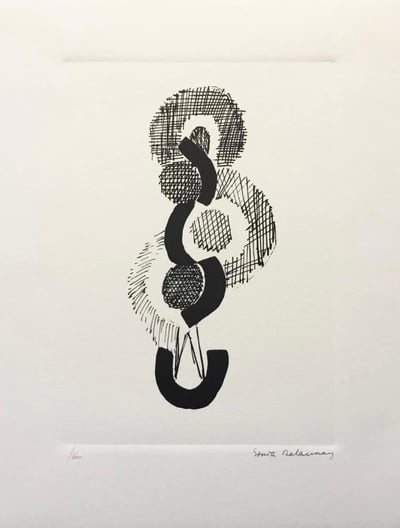
Sonia Delaunay
Dance Endless Rhythm (1923), 1994
Limited Edition Print
Lithograph
USD 720
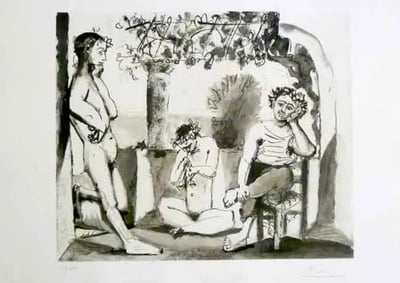
Pablo Picasso
Bacchanale, 1955
Limited Edition Print
Etching and Aquatint
EUR 13,150
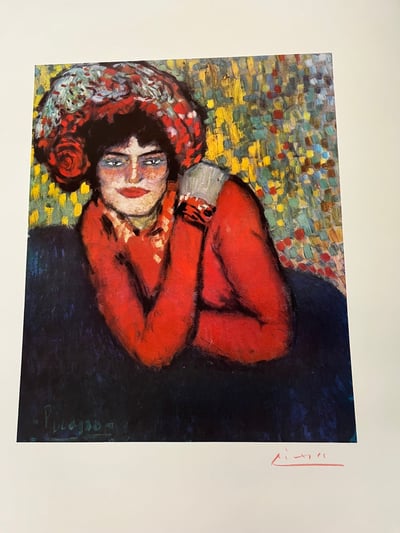
Pablo Picasso
L`Attente, 1966
Limited Edition Print
Lithograph
EUR 6,400
Related Articles
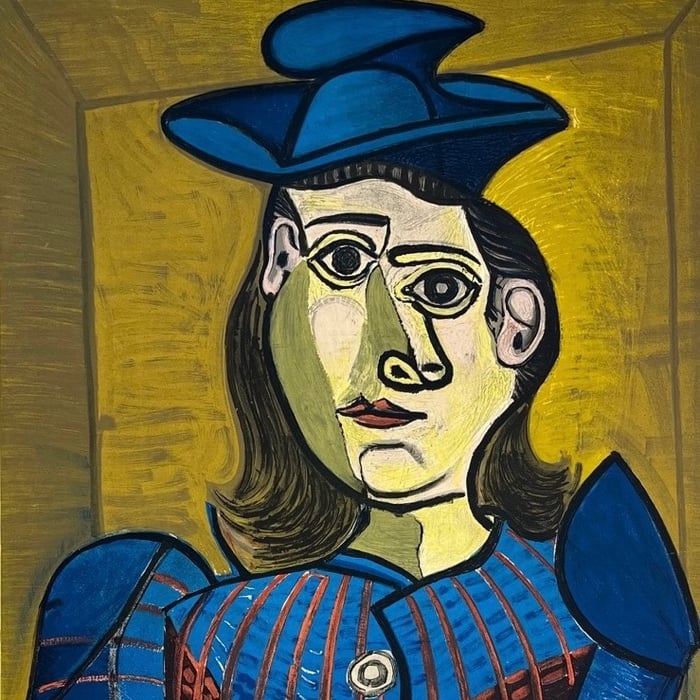
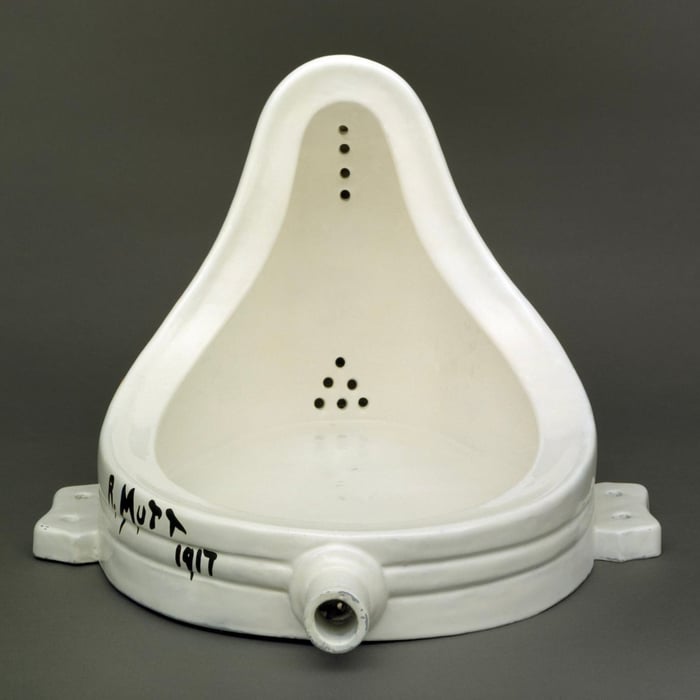


Décollage is an art technique involving the removal, cutting, or tearing away of parts of an original image. The term comes from the French word meaning to take off or to unstick. Artists use this method to challenge or replace existing values, often symbolically tearing away influences from media or conventional thinking.

Embossing is a technique used to create raised designs or images on a surface, typically paper. Artists achieve this effect by altering the shape of the paper, often by pressing it from the reverse side using a template and a tool like a sanded dowel. The result is a design with multiple levels of depth, giving a three-dimensional appearance.
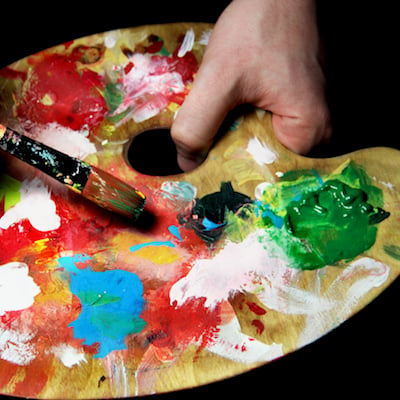
Oil on board is a painting technique where oil paint is applied to either wood panels that have been sanded and primed or high-density cardboard covered with canvas. These surfaces offer the advantage of being more compact for storage compared to traditional stretched canvas on frames, while still providing a stable surface for painting.
Can't find your Answer?
Thank you! Your question has been sent — we'll get back to you shortly.
