
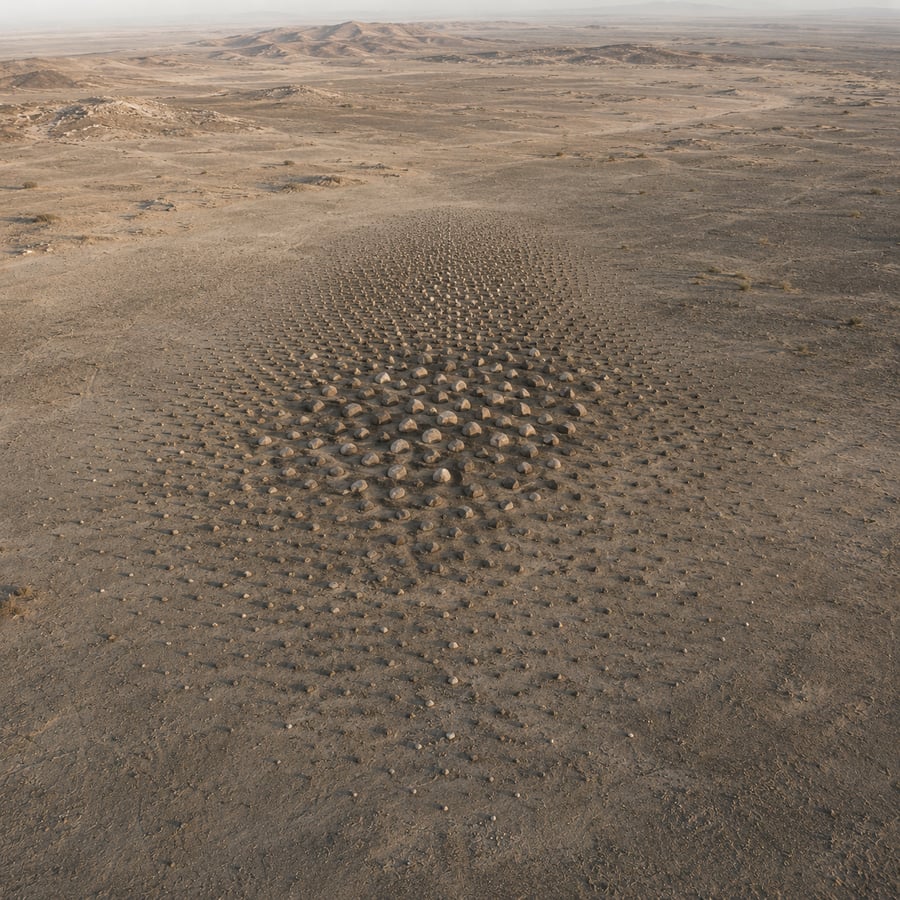
What is Earth Art?
- Show All
- Established
- Discoveries
- Show All
Artworks Related to Earth Art

Dieter Roth
Middle sunset
Limited Edition Print
Mixed Media
EUR 5,400

Javacheff Christo
Wrapped Trees Portfolio, 1997-1998
Limited Edition Print
Photograph
EUR 15,500
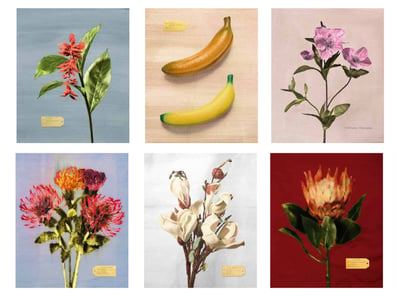
Vik Muniz
Flora Industrialis, 2024
Photography
Photograph
Currently Not Available
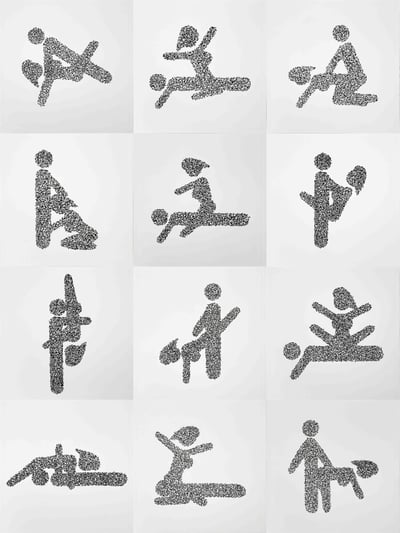
Vik Muniz
Love Bug Suite, 2014
Limited Edition Print
C-Print
Inquire For Price

Cristina Iglesias
Habitación XI (b&w), 2002
Limited Edition Print
Silkscreen
EUR 3,950

Cristina Iglesias
Habitación XII, 2002
Limited Edition Print
Silkscreen
EUR 3,950

Gunther Uecker
Baum. Kunstpranger, 1984
Sculpture / Object
Mixed Media
EUR 10,800
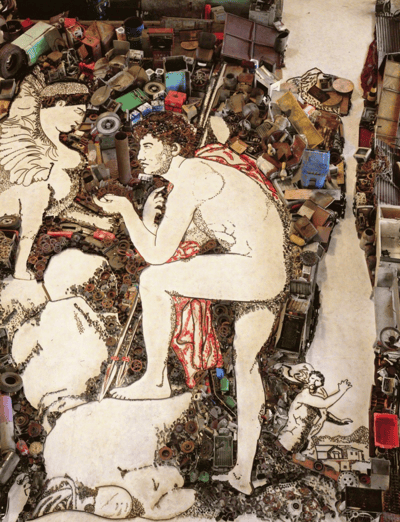
Vik Muniz
Oedipus and Sphinx, after Jean Auguste Dominique Ingres (Pictures of Junk), 2006
Photography
C-Print
Currently Not Available
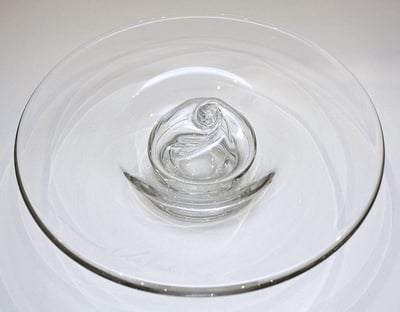
Gunther Uecker
Jahresteller, 1975
Sculpture / Object
Glass
EUR 1,620

Javacheff Christo
Running Fence Sunset RF-352, 1976
Limited Edition Print
Photograph
EUR 11,000

Javacheff Christo
The Gates II, 2005
Limited Edition Print
Photograph
EUR 8,900

Javacheff Christo
The Gates I, 2005
Limited Edition Print
Photograph
EUR 8,900

Javacheff Christo
The Gates IV, 2005
Photography
Photograph
EUR 4,500

Javacheff Christo
The Gates III, 2005
Photography
Photograph
Currently Not Available

Javacheff Christo
The Gates längs und quer M2, 2005
Photography
Photograph
EUR 6,000

Javacheff Christo
The Gates Lange Reihe M1, 2005
Photography
Photograph
EUR 6,000
Related Articles


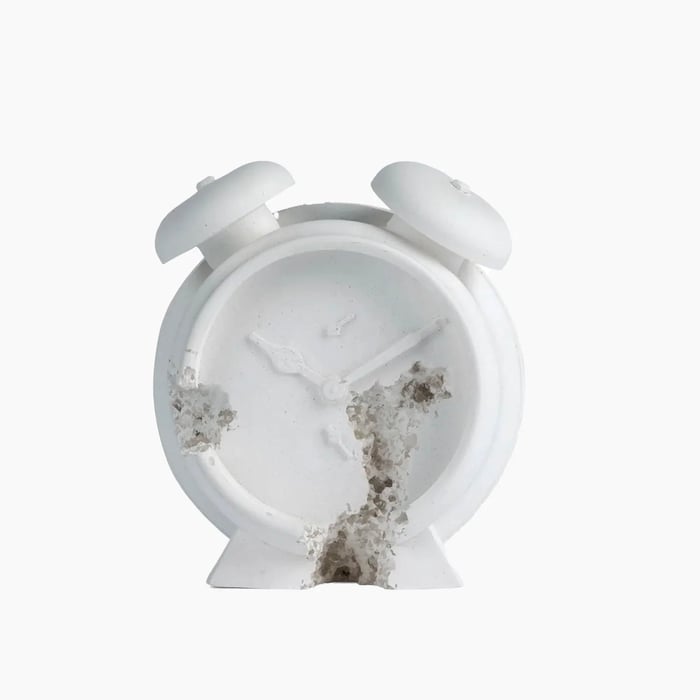

An object in art refers to any tangible thing that exists and can be depicted in a work of art. Sometimes, the object becomes the focal point of a painting, drawing, or sculpture, meaning it is the most important element in the composition. An object can be anything that can be seen or touched, and it is often used to convey meaning or emphasize certain aspects of the artwork.

Charcoal is made from charred wood and is used in both initial sketches and finished drawings. It can be easily smudged or erased, making it versatile for corrections. To make charcoal drawings permanent, a fixative like resin or gum is required. It’s especially useful for sketching first ideas on walls or canvas.

A C-type print, also known as a chromogenic print, is a photographic print made from a color negative or slide. The print is created on chromogenic paper, which contains three emulsion layers, each sensitized to a different primary color. After exposure, the paper is processed in a series of chemical baths, where each layer reacts to the chemicals to produce the final image. C-type prints are known for their rich color depth and are widely used in fine art and commercial photography.
Can't find your Answer?
Thank you! Your question has been sent — we'll get back to you shortly.
