
What is figurative art?
- Show All
- Established
- Discoveries
- Show All
Artworks Related to Figurative art

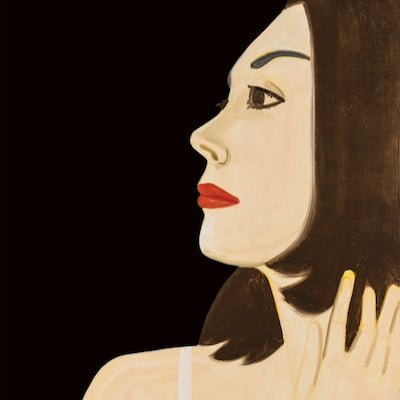
Alex Katz
Eyes Open Eyes Closed, 2017
Limited Edition Print
Silkscreen
Inquire For Price
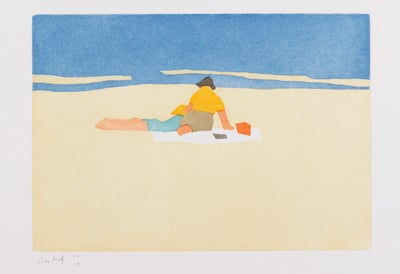
Alex Katz
Figures on beach, 2008
Limited Edition Print
Aquatint
EUR 5,000

Alex Katz
House and Barn, 1954/2008
Limited Edition Print
Aquatint
EUR 5,000

Alex Katz
Sunset Cove, 2008
Limited Edition Print
Aquatint
EUR 5,000

Alex Katz
Untitled (Flying Carpet), 2008
Limited Edition Print
Aquatint
EUR 5,000

Alex Katz
Red Sails, 2008
Limited Edition Print
Aquatint
EUR 5,000
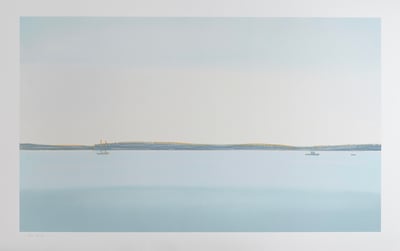
Alex Katz
Landscape, 2017
Limited Edition Print
Silkscreen
EUR 10,150
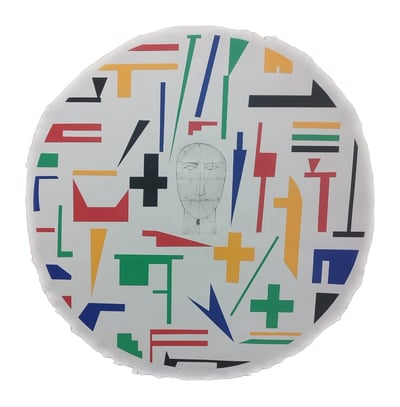
Mimmo Paladino
Scudo 3, 1999
Limited Edition Print
Mixed Media
EUR 2,530
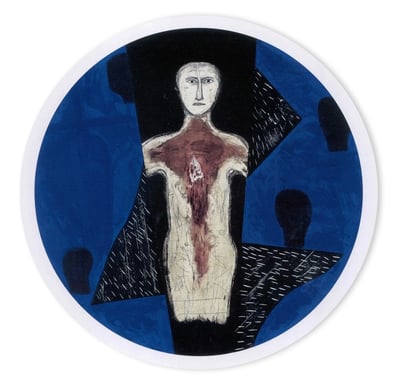
Mimmo Paladino
Oceania, 1996
Limited Edition Print
Mixed Media
EUR 2,530
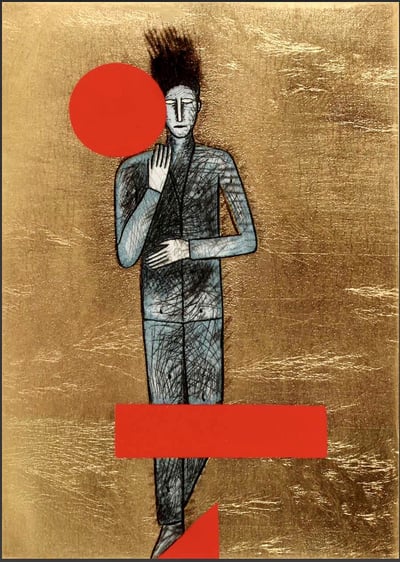
Mimmo Paladino
Sans Titre, 2001
Limited Edition Print
Mixed Media
EUR 1,250
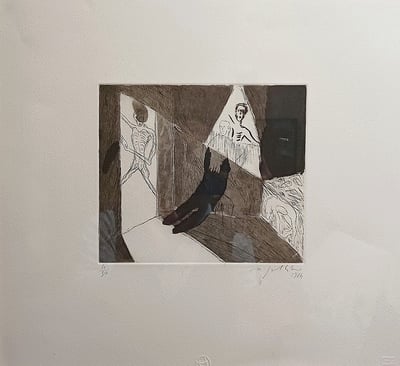
Mimmo Paladino
Necropolis, 1984
Limited Edition Print
Etching
EUR 1,250

Burton Morris
Museum Interior - Venus, 2010
Painting
Acrylic on canvas
USD 11,900

Katherine Bernhardt
Nike Panther, 2019
Limited Edition Print
Lithograph
USD 4,800

Eva Claessens
A Rose, 2024
Painting
Mixed Media
USD 8,800

Eva Claessens
A Hug III, 2023
Sculpture / Object
Bronze
USD 7,800

Eva Claessens
Embrace (sculpture), 2023
Sculpture / Object
Marble
Inquire For Price
Related Articles


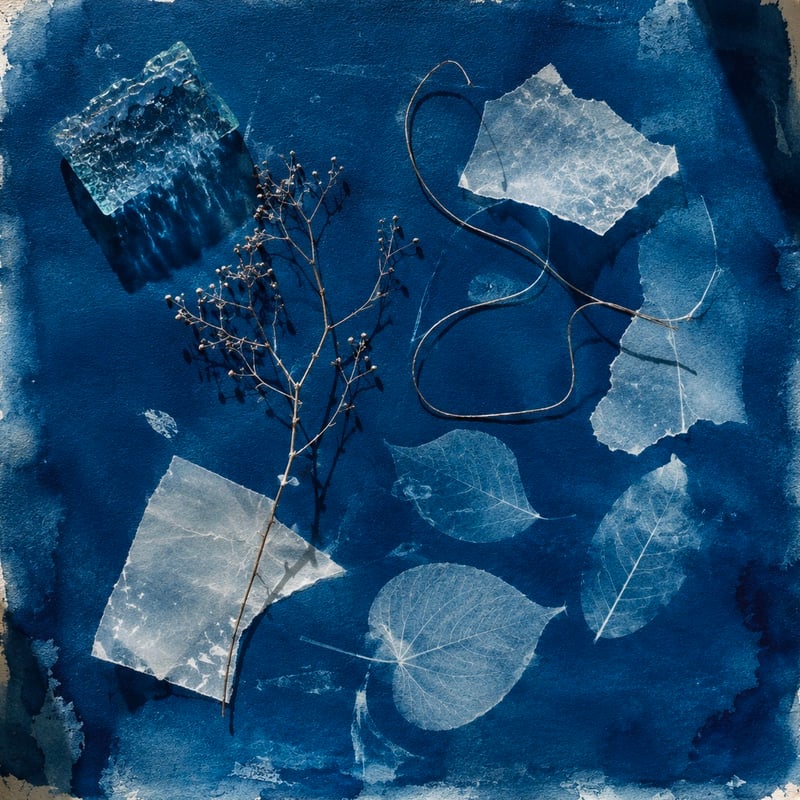
Cyanotype is a photographic technique that creates images in shades of blue, commonly known as blueprints. It involves coating a surface with a mixture of two chemicals, typically ferric ammonium citrate and potassium ferricyanide. When exposed to UV light and then washed in water, the process produces white images on a deep blue background.

Massurrealism is a portmanteau word coined by American artist James Seehafer in 1992. He observed a trend among postmodern artists who blended themes and aesthetic styles with mass media, including elements of pop art. Massurrealism is a development of surrealism that emphasizes the technological effects on the imagery of contemporary surrealism. The key difference between massurrealism and surrealism is that the latter was founded in Europe at the beginning of the 20th century, while massurrealism is rooted in the influence of modern technology and media.
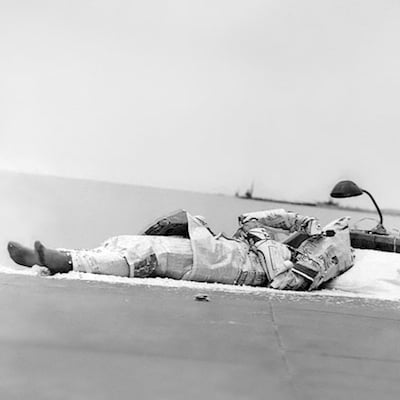
A Happening is a term used to describe artistic and theatrical events held by artists in the 1950s and 60s. These events were typically staged in gallery installations or planned environments and often involved audience participation, along with elements like lighting, sounds, and slide projections. Happenings were a precursor to performance art, which later included the active participation of the artists themselves.
Can't find your Answer?
Thank you! Your question has been sent — we'll get back to you shortly.
