
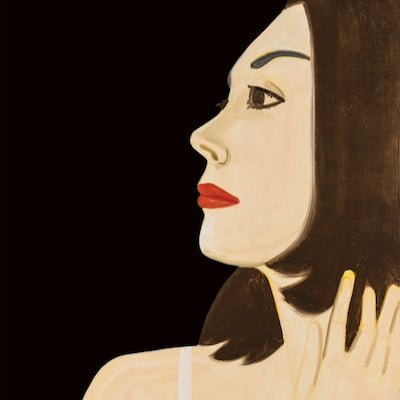
What is figurative art?
- Show All
- Established
- Discoveries
- Show All
Artworks Related to Figurative art

Lucian Freud
Girl with a Kitten, 1947
Limited Edition Print
Archival Print
GBP 5,000 - 6,500

Keith Haring
Apocalypse VIII, 1988
Limited Edition Print
Silkscreen
EUR 22,350

Keith Haring
Apocalypse IV, 1988
Limited Edition Print
Silkscreen
EUR 22,350
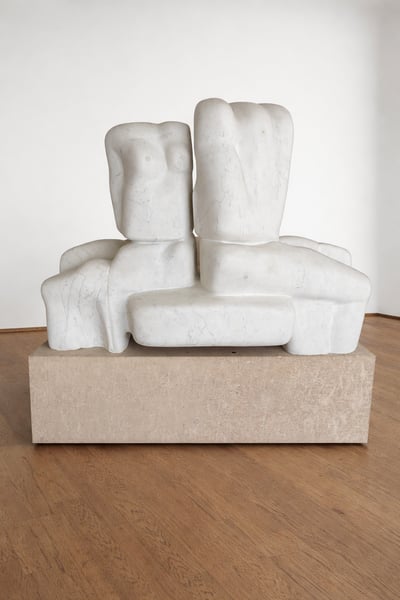
Livia Canestraro
Seated Couple, ca 1985
Sculpture / Object
Marble
EUR 17,500

Livia Canestraro
Standing Woman
Sculpture / Object
Bronze
EUR 15,000
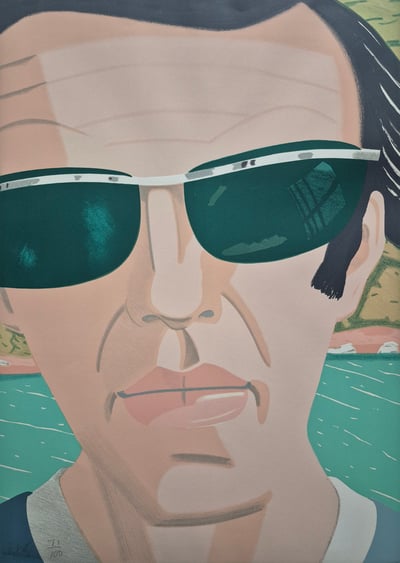
Alex Katz
Alex, 1970
Limited Edition Print
Lithograph
EUR 9,600
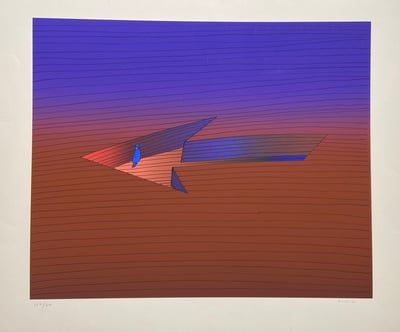
Jean-Michel Folon
Le chemin, 1985
Limited Edition Print
Silkscreen
EUR 1,500

Mimmo Paladino
Senza titolo, 1999
Drawing / Watercolor
Collage
EUR 12,000

Keith Haring
Untitled (w/ Sean Kalish) #9, 1989
Limited Edition Print
Etching
USD 3,600

Keith Haring
Untitled (w/ Sean Kalish) #7, 1989
Limited Edition Print
Etching
USD 3,600

Keith Haring
Untitled (w/ Sean Kalish) #11, 1989
Limited Edition Print
Etching
USD 3,600
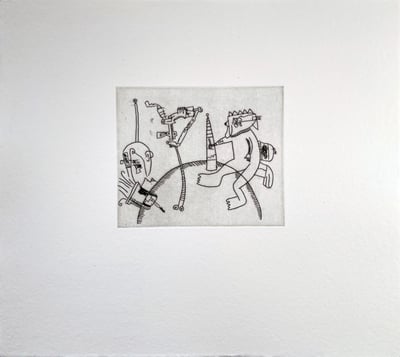
Keith Haring
Untitled (w/ Sean Kalish) #10, 1989
Limited Edition Print
Etching
USD 3,600
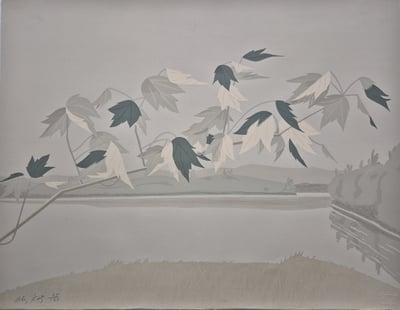
Alex Katz
Late July 2, 1971
Limited Edition Print
Lithograph
EUR 9,600
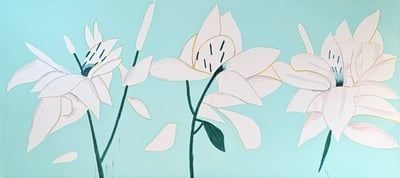
Alex Katz
White Lilies 6, 2025
Limited Edition Print
Silkscreen
Inquire For Price
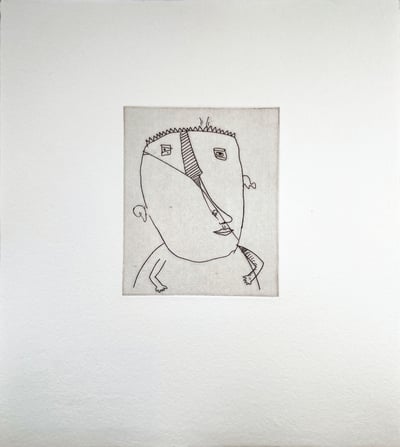
Keith Haring
Untitled (w/ Sean Kalish) #6, 1989
Limited Edition Print
Etching
USD 3,600

Keith Haring
Untitled (w/ Sean Kalish) #5, 1989
Limited Edition Print
Etching
USD 3,600
Related Articles


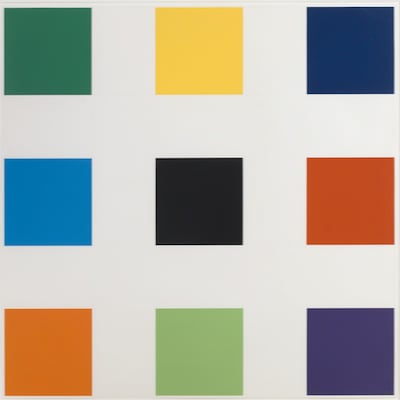
Hard Edge art is a style of abstract painting that became popular in the 1960s. It features areas of color separated by crisp, sharp edges that are painted with geometric precision. The term hard-edge painting was coined by art critic Jules Langsner to describe this approach, which contrasts with the softer, more fluid forms of other abstract styles.

Original artwork is art that stems directly from the personal inspiration and creativity of an artist. It is not a direct copy of another artist’s work, though it may be inspired by it. The subject matter can be similar, but it cannot be an exact replication. The term also refers to a unique piece, as opposed to a multiple or edition.

Orphism is an abstract style of painting influenced by Cubism, developed by Sonia and Robert Delaunay. The term was coined around 1912 by French poet Guillaume Apollinaire to differentiate the Delaunays' work from Cubism, emphasizing their focus on vibrant color and light. The name Orphism is inspired by the Greek musician Orpheus, symbolizing the movement's lyrical and harmonious qualities.
Can't find your Answer?
Thank you! Your question has been sent — we'll get back to you shortly.
