
What is Gestural?
- Show All
- Established
- Discoveries
- Show All
Artworks Related to Gestural

Sam Francis
Untitled (SFE-071), 1989
Limited Edition Print
Mixed Media
USD 10,500
Sam Francis
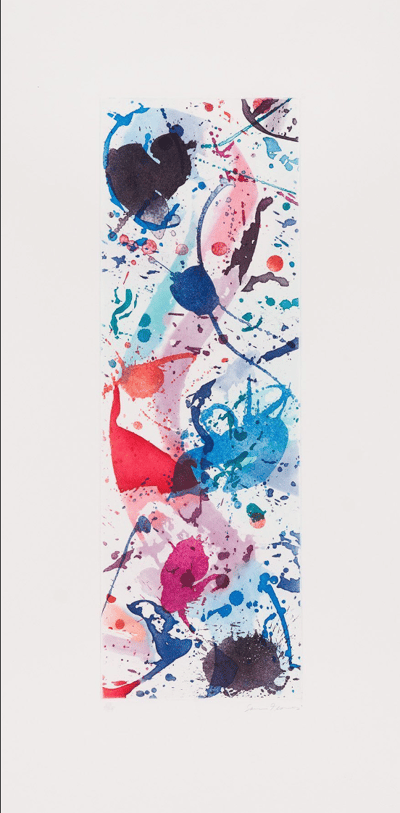
Untitled (SFE-013), 1984
Limited Edition Print
Aquatint
USD 7,400

Sam Francis
Untitled Red (American Foundation), 1992
Limited Edition Print
Etching
USD 11,600
Sam Francis
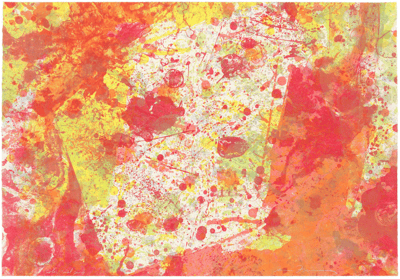
And Pink (SF-143), 1973
Limited Edition Print
Lithograph
USD 11,600
Sam Francis
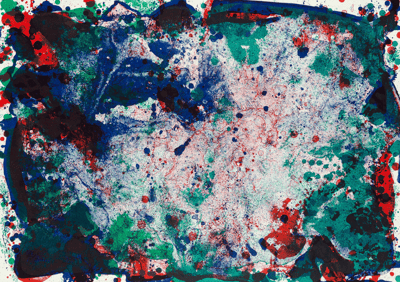
Another Footprint, 1971
Limited Edition Print
Lithograph
USD 11,600
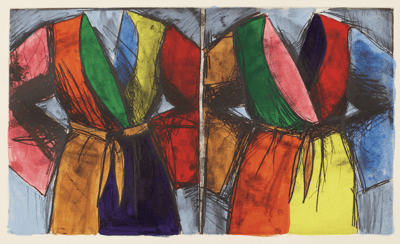
Jim Dine
Jumps Out at You, No?, 1993
Limited Edition Print
Etching
USD 14,000 - 16,000

Richard Diebenkorn
Folsom Street Variations II (Grey), 1986
Limited Edition Print
Mixed Media
USD 10,800

Howard Hodgkin
Ice, 2013
Limited Edition Print
Screen-print
GBP 4,620

Etel Adnan
We Have To Reconnect What Words Separated, 2021
Limited Edition Print
Giclée printing
GBP 2,340
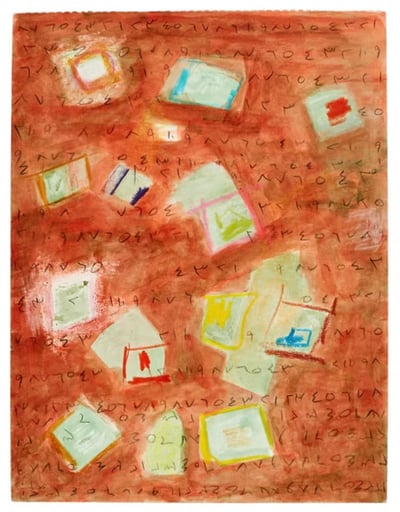
Etel Adnan
Untitled Colour Study, 1990
Drawing / Watercolor
Pastel
GBP 25,000 - 32,500

Etel Adnan
Untitled (Teacup), 1992
Drawing / Watercolor
Pencil
GBP 7,500 - 9,700
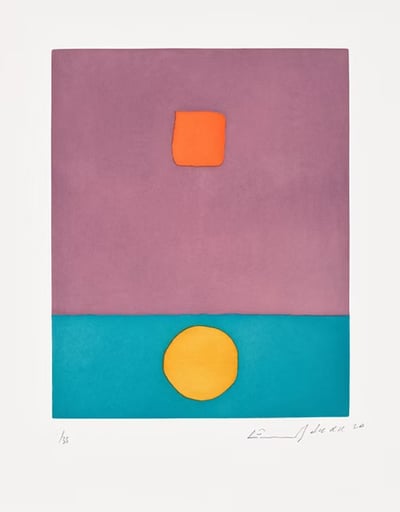
Etel Adnan
La Soleil a Vécu (The Sun has Lived), 2020
Limited Edition Print
Etching
GBP 9,000
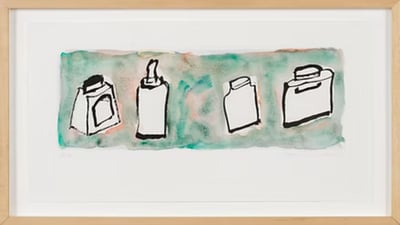
Etel Adnan
La Commedia dell'arte dei calamai I, 2021
Drawing / Watercolor
Mixed Media
GBP 8,500 - 11,000
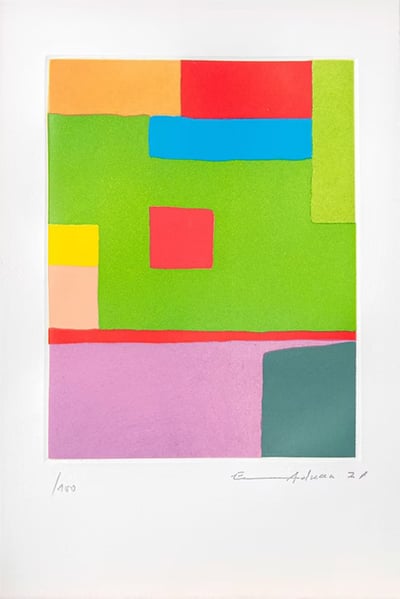
Etel Adnan
Fil du Temps, 2021
Limited Edition Print
Etching
GBP 5,500 - 7,000
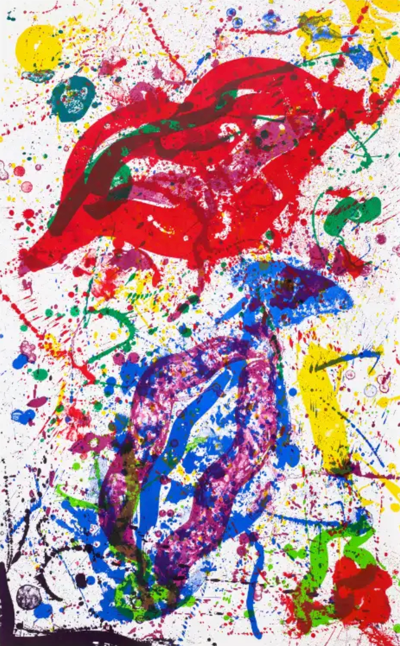
Sam Francis
Untitled (SF-329) (L. L278), 1988
Limited Edition Print
Lithograph
EUR 7,500 - 10,000

Sam Francis
Untitled (from the Fresh Air School portfolio), 1972
Limited Edition Print
Lithograph
EUR 1,850
Related Articles

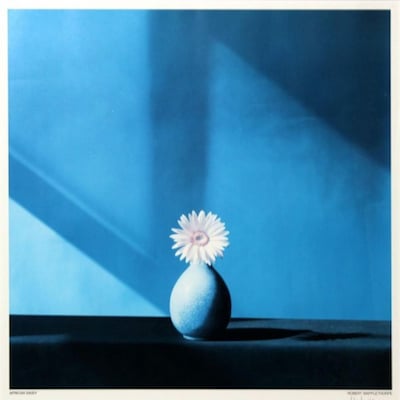
Photogravure is a high-quality printing process that involves etching a photograph onto a copper plate. The plate is inked and pressed onto paper, producing fine art prints with detailed, soft tones and rich textures. Developed in the 19th century, photogravure is renowned for its ability to create art reproductions with exceptional depth and subtlety.

Colour Field Painting is an abstract style characterized by large areas of a single color or simple, solid colors. The term was first used in the 1950s to describe the work of three American Abstract Expressionist painters—Barnett Newman, Mark Rothko, and Clyfford Still. Their work emphasized the emotional power of color and the creation of vast, meditative spaces through expansive color fields.

Transavanguardia is the Italian version of Neo-Expressionism, referring to an art movement that emerged in Italy and other parts of Western Europe during the 1970s and 1980s. The term translates to beyond the avant-garde. Transavanguardia arose as a reaction against the dominance of conceptual art, reintroducing emotion and reviving painting as a primary medium. The movement marked a return to mythic imagery and figurative art, celebrating a rediscovery of traditional forms and themes in a contemporary context.
Can't find your Answer?
Thank you! Your question has been sent — we'll get back to you shortly.
