
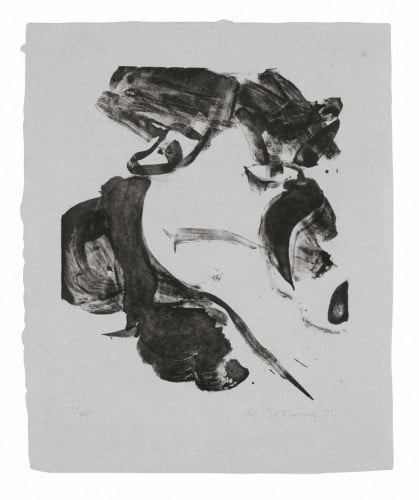
What is Gestural?
- Show All
- Established
- Discoveries
- Show All
Artworks Related to Gestural

Jim Dine
Nine Views of Winter 2, 1985
Limited Edition Print
Woodcut
USD 5,000
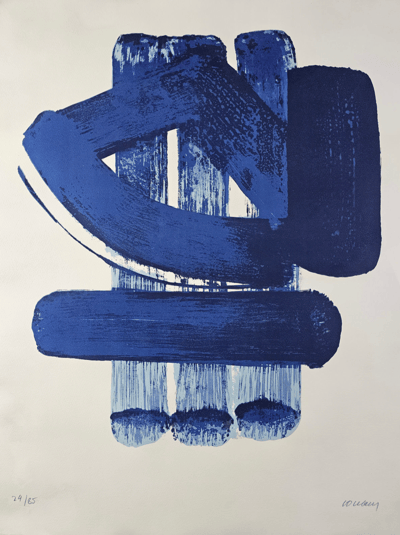
Pierre Soulages
Lithographie No 37, 1974
Limited Edition Print
Lithograph
EUR 68,000
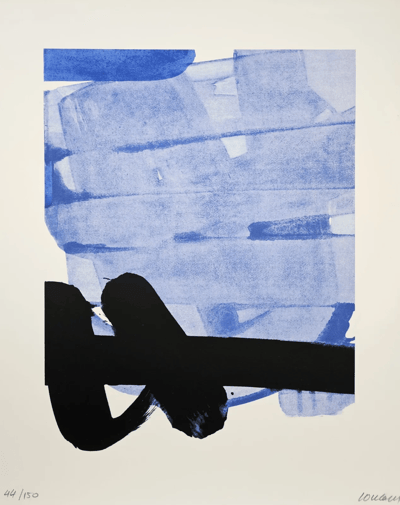
Pierre Soulages
Sérigraphie No 8, 1978
Limited Edition Print
Screen-print
EUR 60,000

Larry Rivers
Untitled from The New York Collection for Stockholm, 1973
Limited Edition Print
Mixed Media
GBP 2,340

William Kentridge
The Bacchae, 1983
Limited Edition Print
Silkscreen
EUR 9,500

William Kentridge
Film at the Market, 1986
Limited Edition Print
Silkscreen
EUR 9,500

William Kentridge
Woozebear and the Zoo-Bears, 1981
Limited Edition Print
Offset Print
EUR 9,500

Karel Appel
Untitled (Colorful Figure), 1998
Drawing / Watercolor
Pastel
EUR 7,500

William Kentridge
Exhibition William Kentridge (Pit Monotypes), 1979
Limited Edition Print
Silkscreen
EUR 15,000

William Kentridge
Dikhitsheneng (The Kitchens), 1980
Limited Edition Print
Silkscreen
EUR 9,500
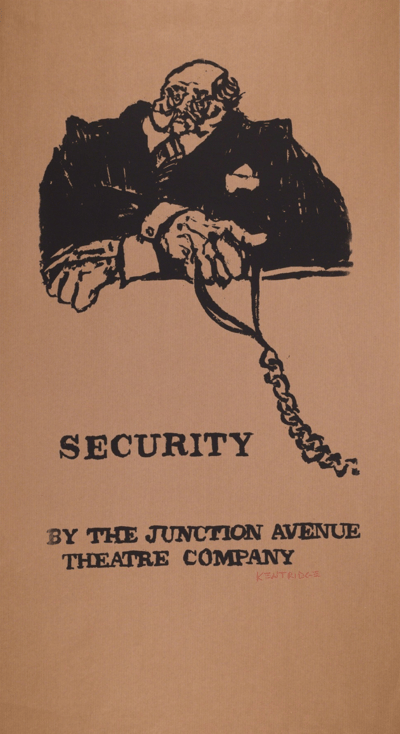
William Kentridge
Security, 1979
Limited Edition Print
Silkscreen
EUR 9,500

Antoni Tapies
Untitled (Calligraphic Loop Form), 1992
Drawing / Watercolor
Graphite
EUR 4,950

William Kentridge
Untitled, from Domestic Scenes, 1980
Limited Edition Print
Etching and Aquatint
EUR 15,000
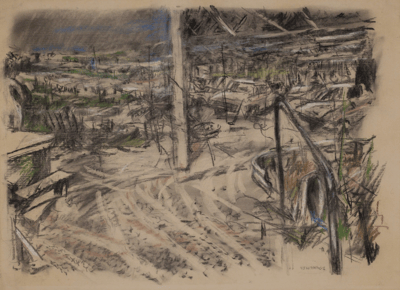
William Kentridge
Embarkation, 1986
Drawing / Watercolor
Mixed Media
Inquire For Price
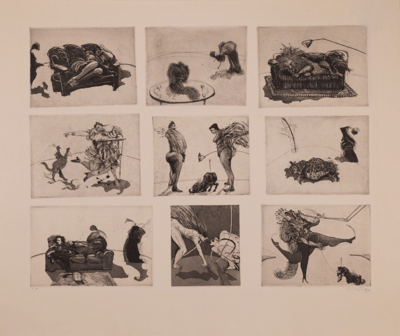
William Kentridge
A Wildlife Catalogue II, 1980
Limited Edition Print
Etching
EUR 25,000
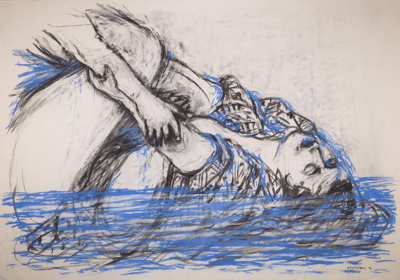
William Kentridge
The Passion of Mrs Eckstein, 1991
Drawing / Watercolor
Mixed Media
Inquire For Price
Related Articles

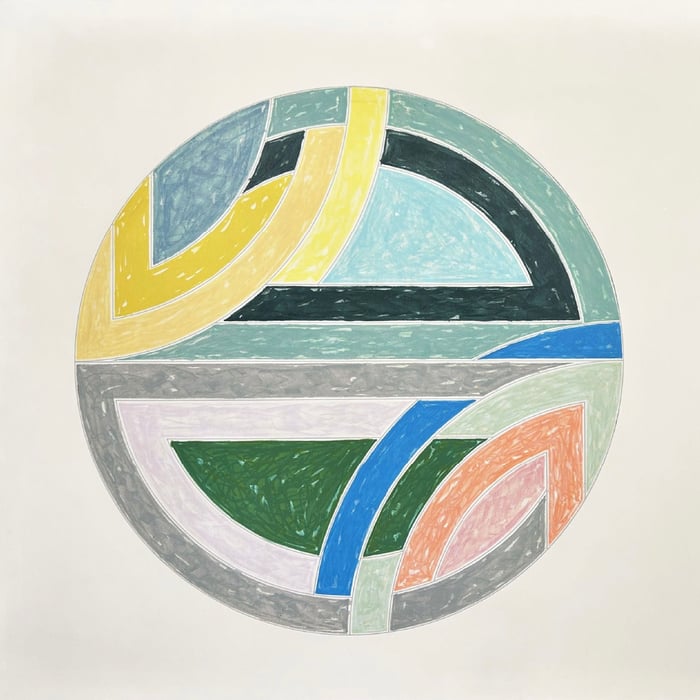

A Biennial is an art exhibition held every two years, typically on a large scale with international participants. The first and most famous example is the Venice Biennale, established in 1895 and held in the Giardini, a public park in Venice. Over time, the event has grown to include thirty permanent pavilions, each representing different countries. Biennials have become significant events in the contemporary art world, offering a platform for artists to showcase their work to a global audience.
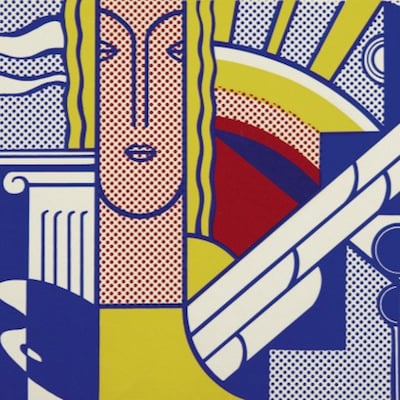
Late Modernism refers to the continuation and evolution of Modernist principles in art, architecture, and literature from the mid-20th century into the late 20th century. This movement maintains a focus on form, abstraction, and the rejection of traditional styles, but it often incorporates more complexity and ambiguity compared to early Modernism. Late Modernism explores themes such as alienation, identity, and the fragmentation of reality, reflecting the social and cultural shifts of the post-war period. It is seen in the works of architects like Louis Kahn and artists like Francis Bacon, who pushed the boundaries of Modernism while responding to the changing world around them.

Nouveau Réalisme is an artistic movement founded in 1960 by art critic Pierre Restany and painter Yves Klein during a collective exhibition at a gallery in Milan. Restany wrote the original manifesto in April 1960, proclaiming the movement. In October of that year, nine artists, including Martial Raysse, Yves Klein, Daniel Spoerri, Jean Tinguely, Arman, Pierre Restany, and three Ultra-Lettrists—Jacques de la Villeglé, François Dufrêne, and Raymond Hains—signed the declaration. In 1961, the movement expanded to include Mimmo Rotella, Niki de Saint Phalle, Gérard Deschamps, and César. The movement emphasized a return to reality in art, often incorporating everyday objects and exploring the boundaries between art and life.
Can't find your Answer?
Thank you! Your question has been sent — we'll get back to you shortly.
