
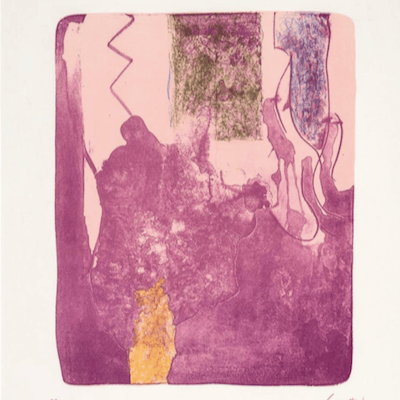
What is lyrical abstraction ?
- Show All
- Established
- Discoveries
- Show All
Artworks Related to Lyrical Abstraction
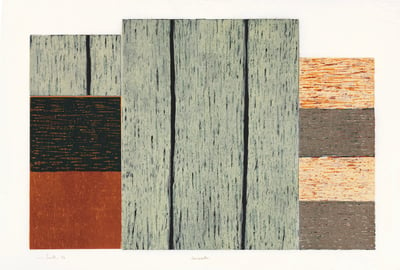
Sean Scully
Conversation, 1986
Limited Edition Print
Woodcut
EUR 14,400
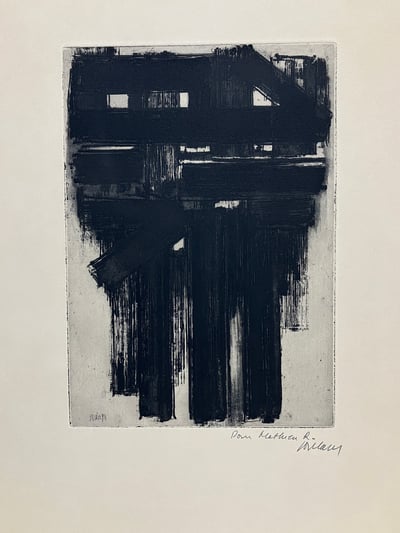
Pierre Soulages
Eau-forte III, 1956
Limited Edition Print
Etching
EUR 10,800
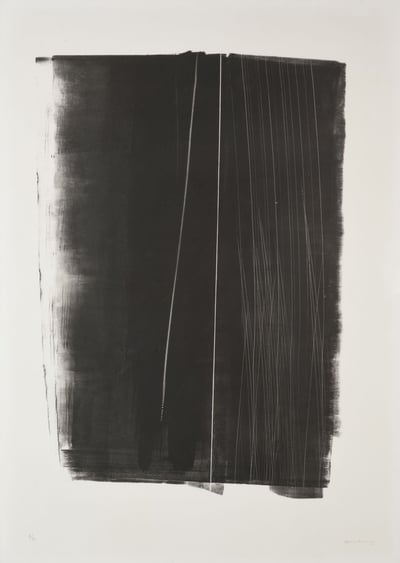
Hans Hartung
L 1973-46, 1973
Limited Edition Print
Lithograph
EUR 2,050
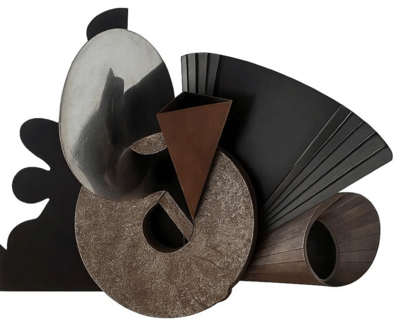
Frank Stella
The Decanter, 1986
Sculpture / Object
Mixed Media
Inquire For Price

Paul Jenkins
Untitled, 1960
Drawing / Watercolor
Watercolor
Inquire For Price

Sam Francis
Untitled, 1988
Painting
Acrylic on canvas
Inquire For Price

Sam Francis
Untitled (SF-358), 1993
Limited Edition Print
Lithograph
EUR 8,000

Robert Motherwell
Soot-Black Stone, #5, 1975
Limited Edition Print
Lithograph
USD 1,810

Robert Motherwell
Soot-Black Stone, #4, 1975
Limited Edition Print
Lithograph
USD 1,810

Robert Motherwell
Soot-Black Stone, #3, 1975
Limited Edition Print
Lithograph
USD 1,810

Robert Motherwell
Soot-Black Stone, #2, 1975
Limited Edition Print
Lithograph
USD 1,810

Cy Twombly
Studio Lexington, 2008
Limited Edition Print
Drypoint
EUR 4,800

Helen Frankenthaler
Reflections IX, 1995
Limited Edition Print
Lithograph
USD 7,150

Frank Stella
Had Gadya: Front Cover, from Illustrations after El Lissitzky's Had Gadya, 1984
Limited Edition Print
Collage
USD 19,850

Helen Frankenthaler
Solar Imp, 2001
Limited Edition Print
Screen-print
Currently Not Available
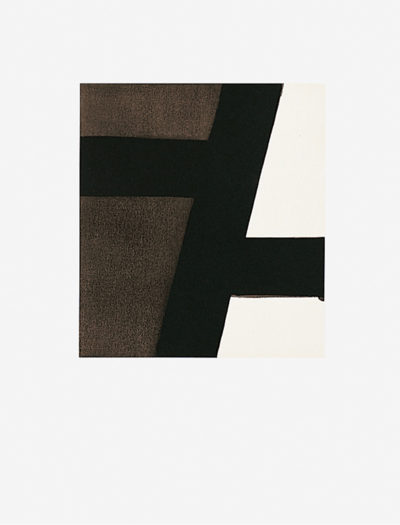
Pierre Soulages
Lithographie n° 21, 1969
Limited Edition Print
Lithograph
Inquire For Price
Related Articles


Montage is a film editing technique where a series of shots are edited into a sequence to condense time, convey information, and manage space within the narrative. While it primarily refers to this method in film, the term can also be used in various other contexts to describe the assembly of disparate elements into a cohesive whole.

Clay is a natural material formed when rocks break down over time due to weathering. Water carries the fine particles of earth, which accumulate as a soft, sticky substance called muck. This muck is collected, cleaned, and refined by removing impurities like rocks and adding sand to improve its texture, resulting in usable clay.

Situationism is a psychological theory that gained prominence in 1968, following the publication of a monograph by Walter Mischel that sparked the Person-situation debate. This theory argues that behavior is primarily influenced by external situational factors rather than internal traits or motivations, challenging the ideas of trait theorists like Raymond B. Cattell and Hans Eysenck, who emphasized stable personality traits. It is important not to confuse this with the Situationist International movement, an artistic and political movement founded by Asger Jorn, which focused on the critique of modern consumer society and the influence of environments on human behavior.
Can't find your Answer?
Thank you! Your question has been sent — we'll get back to you shortly.
