
What is Op Art?
- Show All
- Established
- Discoveries
- Show All
Artworks Related to Op Art

Luis Tomasello
S/T 1 - Verde, 2013
Limited Edition Print
Lithograph
EUR 3,000
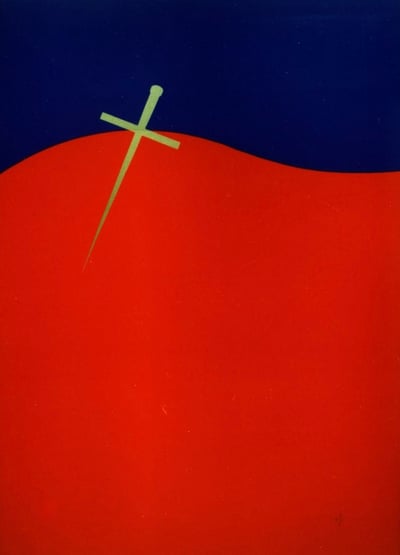
Rafael Jesus Soto
Homage to Federico Garcia Lorca, 1999
Limited Edition Print
Silkscreen
EUR 800

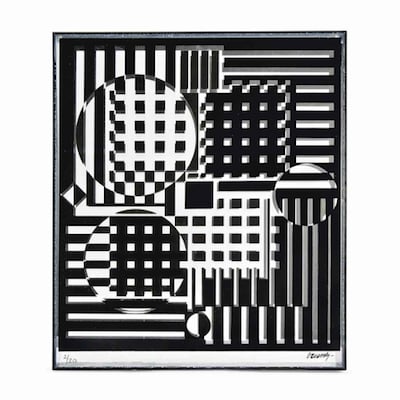
Victor Vasarely
Kervilahuen-BL, 1985
Limited Edition Print
Serigraph
Artwork On Hold

Bridget Riley
Measure For Measure, 2020
Limited Edition Print
Screen-print
GBP 9,000
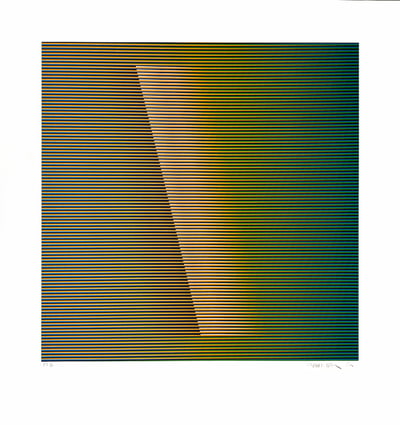
Carlos Cruz-Diez
Medellín 2, 2013
Limited Edition Print
Serigraph
EUR 5,990

Carlos Cruz-Diez
Medellín 3, 2013
Limited Edition Print
Serigraph
EUR 5,990

Gunther Uecker
Verletzungen-Verbindungen, 1998
Limited Edition Print
Screen-print
EUR 1,980
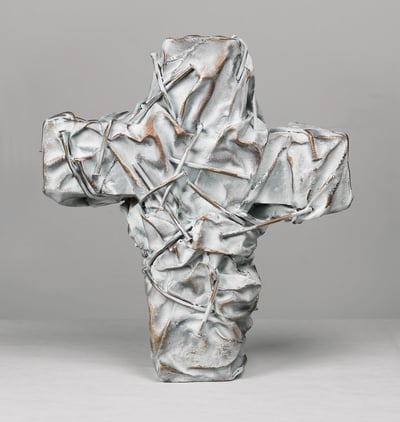
Gunther Uecker
Helles Nagelkreuz, 2017
Sculpture / Object
Bronze
EUR 49,500

Antonio Asis
Vibration 9 petits et 4 grands cercles, 2010
Sculpture / Object
Mixed Media
EUR 3,000

Luis Tomasello
s/t 2, 2012
Sculpture / Object
Mixed Media
EUR 2,200

Luis Tomasello
s/t 3, 2012
Sculpture / Object
Mixed Media
EUR 2,200

Julio Le Parc
Vase surface colorée, 2017
Ceramics
Ceramic
EUR 500

Julio Le Parc
Tulles – lumières, 2019
Sculpture / Object
Object
EUR 5,000

Julio Le Parc
Cercles par déplacement (small), 2016
Sculpture / Object
Acrylic sculpture
EUR 300

Julio Le Parc
Image virtuel par déplacement, 2016
Sculpture / Object
Acrylic sculpture
EUR 300
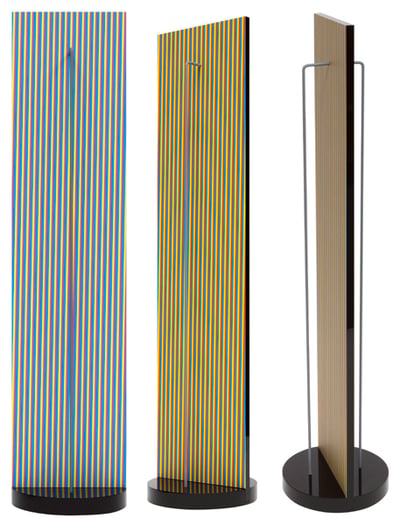
Carlos Cruz-Diez
Couleur à l’espace nova, 2012
Sculpture / Object
Object
EUR 9,000
Related Articles
Futurism was an early 20th-century art movement that sought to capture the energy and dynamism of the modern world. The movement was launched by Italian poet Filippo Tommaso Marinetti, who published the Manifesto of Futurism on February 20, 1909. Futurism denounced the past and passionately embraced technology, industry, and the speed of modern life.
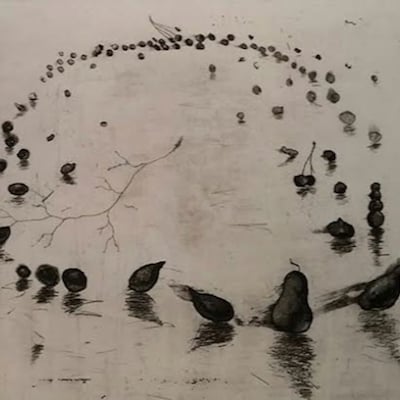
Drypoint is an intaglio printmaking technique where an image is incised onto a plate using a sharp, pointed tool, typically a needle made of metal or diamond. Traditionally, copper plates were used, but today zinc, plexiglass, or acetate are also common. Drypoint is easier for drawing artists to master compared to engraving, as the needle technique resembles drawing with a pencil rather than the more complex burin used in engraving.

Viennese Actionism was a short-lived but intense art movement in the 20th century, emerging as part of the broader action art efforts of the 1960s. Known for its violent and provocative performances, the movement sought to break traditional art boundaries. Key figures in this movement included Arnulf Rainer and Hermann Nitsch.
Can't find your Answer?
Thank you! Your question has been sent — we'll get back to you shortly.
