
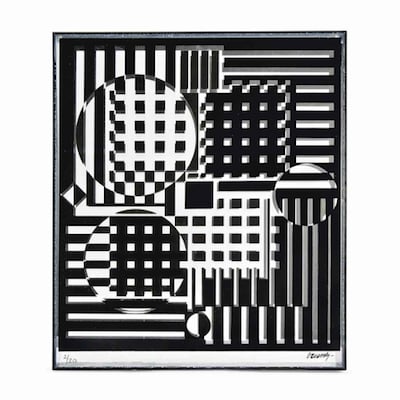
What is Op Art?
- Show All
- Established
- Discoveries
- Show All
Artworks Related to Op Art
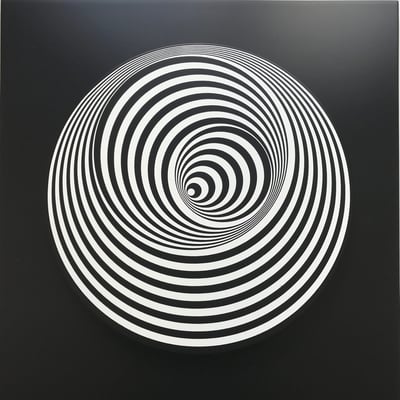
Marina Apollonio
Dinamica Circolare 6B Ruotato, 1968-2020
Sculpture / Object
Wood
Currently Not Available
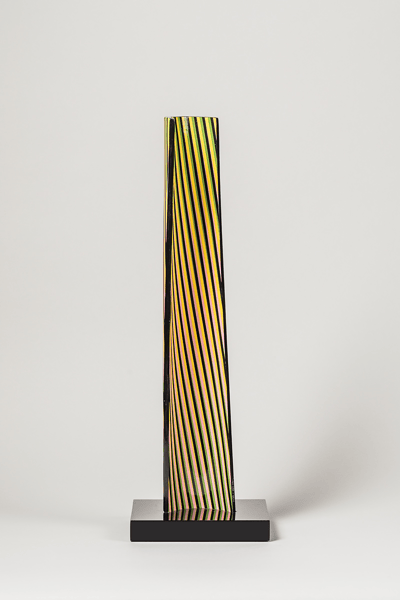
Carlos Cruz-Diez
Cromovela 17, 2018
Ceramics
Ceramic
EUR 8,000
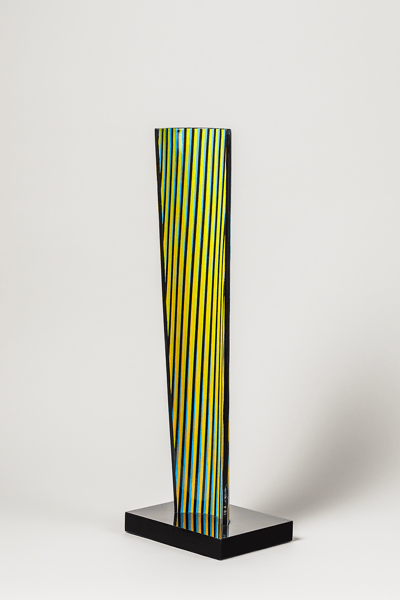
Carlos Cruz-Diez
Cromovela 19, 2018
Ceramics
Ceramic
EUR 8,000
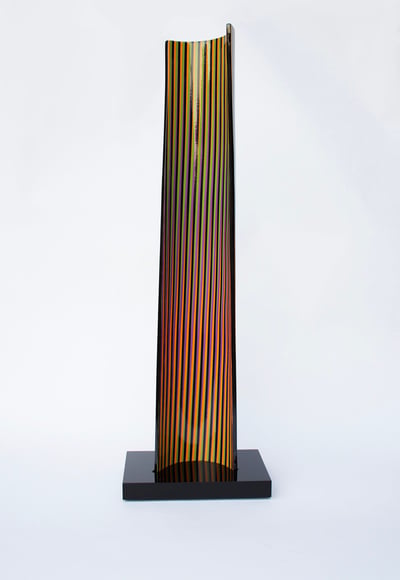
Carlos Cruz-Diez
Cromovela 11 (Big), 2009
Ceramics
Ceramic
EUR 12,000
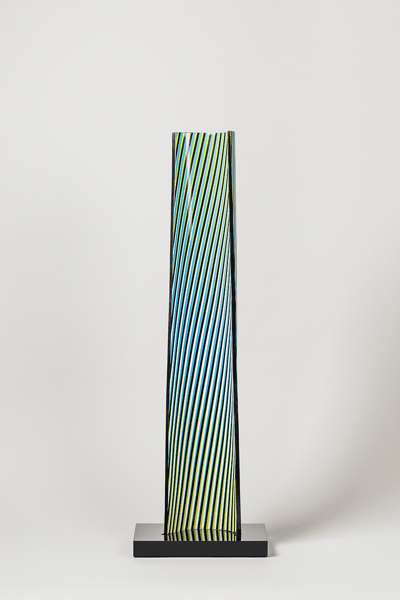
Carlos Cruz-Diez
Cromovela 21 (Big), 2018
Ceramics
Ceramic
EUR 12,000
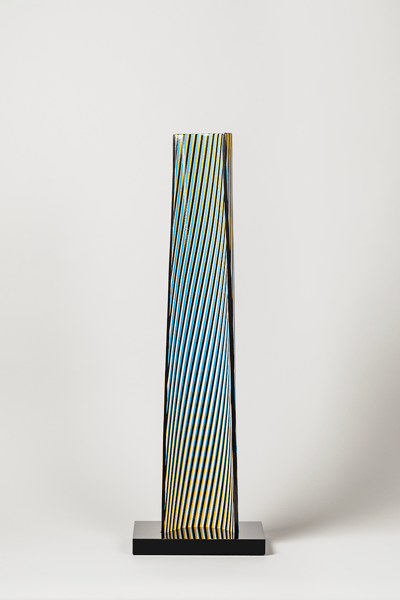
Carlos Cruz-Diez
Cromovela 22 (Big), 2018
Ceramics
Ceramic
EUR 12,000

Carlos Cruz-Diez
Cromovela Tryptich 18, 2018
Ceramics
Ceramic
EUR 18,000

Carlos Cruz-Diez
Cromovela Tryptich 20, 2018
Ceramics
Ceramic
EUR 18,000

Carlos Cruz-Diez
Cromovela Tryptich 13, 2009
Ceramics
Ceramic
EUR 18,000

Bridget Riley
One small step, 2009
Limited Edition Print
Screen-print
GBP 10,500

Yaacov Agam
Kiddush Cup, 1993
Sculpture / Object
Mixed Media
USD 1,350
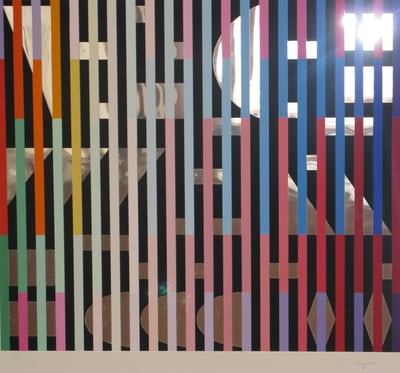
Yaacov Agam
Silver, 1982
Limited Edition Print
Silkscreen
USD 1,400
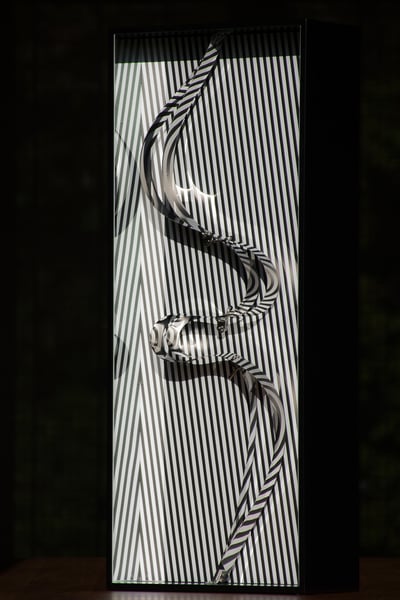
Julio Le Parc
Formes en Contorsions , 1967 - 2018
Sculpture / Object
Mixed Media
Inquire For Price

Geneviève Claisse
Cercles Blancs, 1968/2014
Sculpture / Object
Mixed Media
EUR 2,000
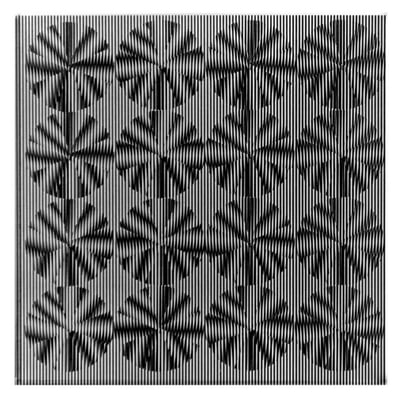
Ludwig Wilding
SBST 2827, 1993
Sculpture / Object
Object
EUR 1,500
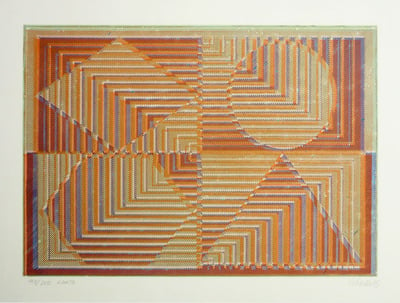
Rogelio Polesello
Ágata, 1975
Limited Edition Print
Serigraph
Currently Not Available
Related Articles
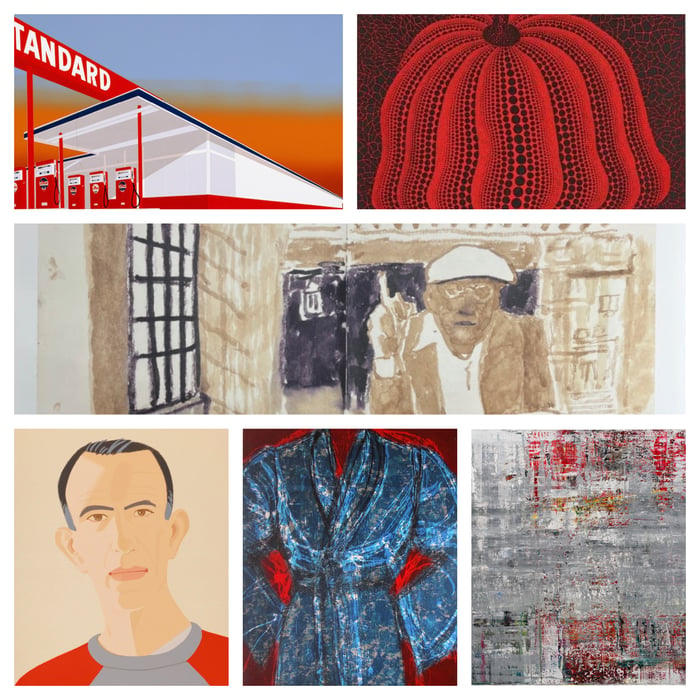

Queer Aesthetics refers to an art movement that emerged in the 1980s, focusing on themes of homosexuality, lesbianism, and broader issues of identity and gender. This movement gained momentum in the context of the AIDS crisis and the feminist movement, challenging traditional representations of sexuality and gender. Queer Aesthetics often explores the fluidity of gender and identity, as seen in the works of artists like Nan Goldin, who is known for her photography of individuals with ambiguous or non-conforming gender presentations.
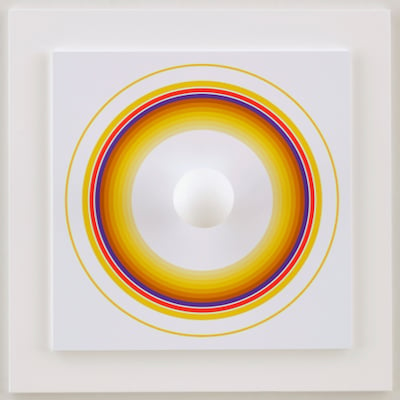
Monotype is a printmaking technique where an image is painted or drawn on a nonabsorbent, smooth surface, traditionally an etching plate of copper, but now also acrylic, zinc, or glass. The image is then transferred to paper using a printing press, creating a unique print. The first pressing removes most of the ink, making it difficult to produce additional prints with the same richness, resulting in a one-of-a-kind artwork.

Colored pencils consist of a core made from various colored pigments mixed with a binder, encased in wood. They can also be found as solid pigment sticks without the wooden casing. When drawing, the pigment is transferred to a surface, allowing for lines and shading in different thicknesses.
Can't find your Answer?
Thank you! Your question has been sent — we'll get back to you shortly.
