
What is Op Art?
- Show All
- Established
- Discoveries
- Show All
Artworks Related to Op Art
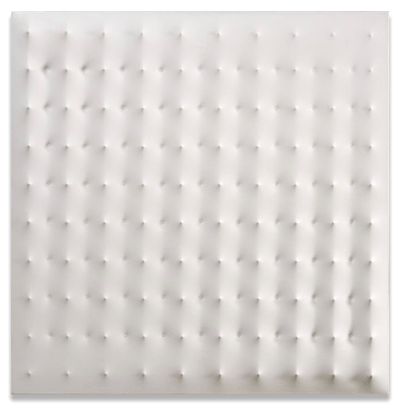
Enrico Castellani
Superficie Bianca, 1968
Limited Edition Print
Plastic
Currently Not Available

Dieter Roth
Stamp images, 1968
Limited Edition Print
Mixed Media
EUR 1,350
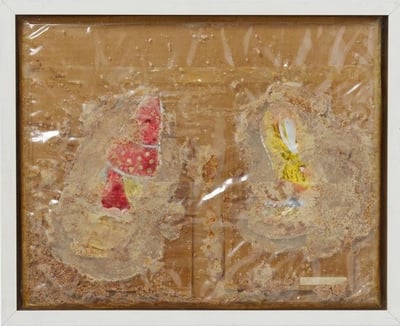
Dieter Roth
Lauf der Welt, 1970
Limited Edition Print
Mixed Media
EUR 3,000

Yaacov Agam
Night rainbow (large), 1982
Limited Edition Print
Silkscreen
USD 1,875

Günter Fruhtrunk
Between Green, 1970
Limited Edition Print
Screen-print
Currently Not Available
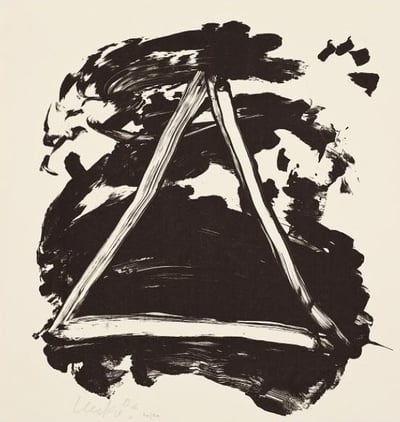
Gunther Uecker
Hiob Seite 24
Limited Edition Print
Silkscreen
Currently Not Available

Gunther Uecker
Hiob Seite 16
Limited Edition Print
Silkscreen
EUR 1,800
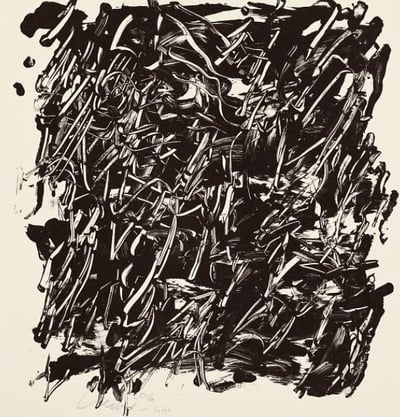
Gunther Uecker
Hiob Seite 25
Limited Edition Print
Silkscreen
Currently Not Available

Victor Vasarely
Orgovan, 1984
Limited Edition Print
Screen-print
EUR 1,250

Almir Mavignier
Komposition VI, 1965
Limited Edition Print
Lithograph
Currently Not Available

Victor Vasarely
Cinetiques portfolio, 1973
Limited Edition Print
Serigraph
EUR 1,300
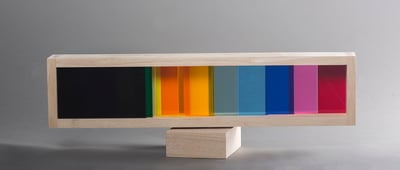
Yaacov Agam
Infinity transparency #3, 2017
Sculpture / Object
Mixed Media
EUR 3,700

Yaacov Agam
Sketch #1b
Drawing / Watercolor
Pen and ink
USD 1,280

Yaacov Agam
Sketch #1
Drawing / Watercolor
Pen and ink
USD 1,280
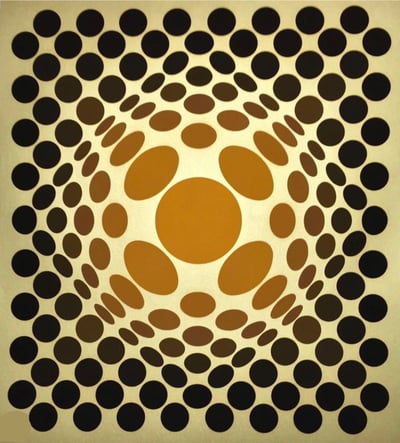
Victor Vasarely
Tewek, 1978
Limited Edition Print
Silkscreen
USD 1,850

Victor Vasarely
Purple long, 1977
Limited Edition Print
Silkscreen
USD 1,700
Related Articles

Body art involves creating art directly on or with the human body. Common forms include body piercings and tattoos, but it also encompasses practices like branding, scarification, scalping, body painting, full-body tattoos, body shaping, and sub-dermal implants. Body art can also refer to a subcategory of performance art where the artist's body is central to the artwork.

Orphism is an abstract style of painting influenced by Cubism, developed by Sonia and Robert Delaunay. The term was coined around 1912 by French poet Guillaume Apollinaire to differentiate the Delaunays' work from Cubism, emphasizing their focus on vibrant color and light. The name Orphism is inspired by the Greek musician Orpheus, symbolizing the movement's lyrical and harmonious qualities.

Pastel is an art medium in stick form made from powdered pigment and a binder. The pigments used in pastels are the same as those in other colored art media. The color effect of pastels closely resembles that of dry pigments, more so than any other medium. Artworks created with pastels are called pastel paintings, pastel drawings, or simply pastels. The term pastel can also refer to the process of creating art using pastel sticks.
Can't find your Answer?
Thank you! Your question has been sent — we'll get back to you shortly.
