

What is pop-art?
- Show All
- Established
- Discoveries
- Show All
Artworks Related to Pop art

Claes Oldenburg
Broken Button (Split Button), 1981
Sculpture / Object
Mixed Media
Currently Not Available

Claes Oldenburg
The Soap at Baton Rouge, 1990
Sculpture / Object
Mixed Media
Inquire For Price
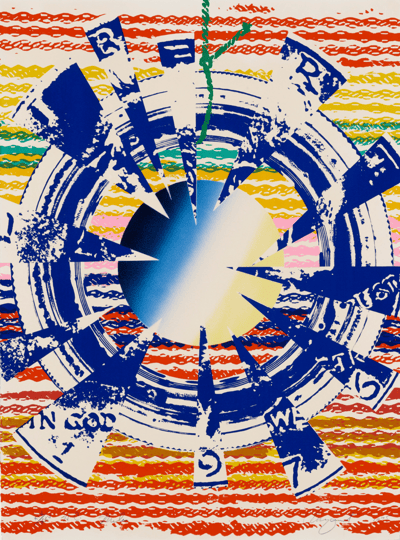
James Rosenquist
Miles, 1975
Limited Edition Print
Screen-print
USD 2,000
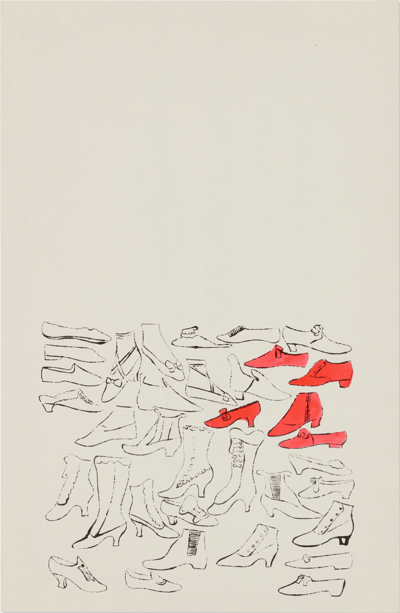
Andy Warhol
Cover (from À la recherche du shoe perdu portfolio), 1955
Limited Edition Print
Mixed Media
USD 6,800
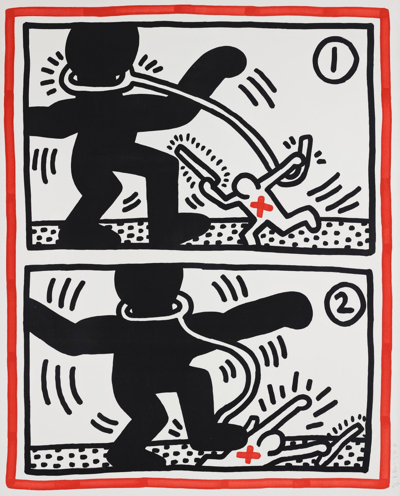
Keith Haring
Untitled 2 (from Free South Africa), 1985
Limited Edition Print
Lithograph
USD 35,900
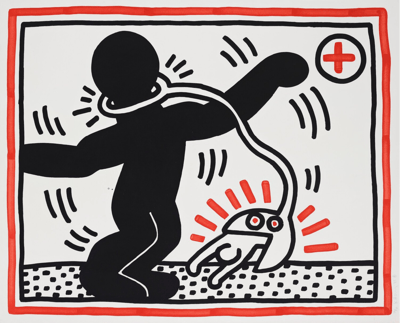
Keith Haring
Untitled 1 (from Free South Africa), 1985
Limited Edition Print
Lithograph
Currently Not Available
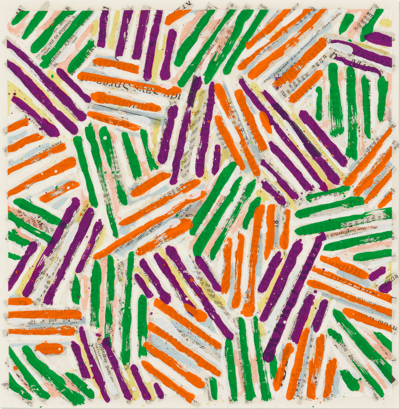
Jasper Johns
Cross Hatch, 1977
Limited Edition Print
Screen-print
Currently Not Available

Andy Warhol
Saint Apollonia (F. & S. II.330), 1984
Limited Edition Print
Screen-print
USD 23,500
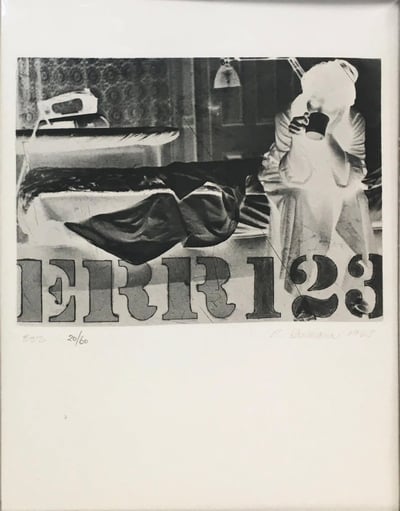
Robert Indiana
Err123, 1962
Limited Edition Print
Photogravure
Inquire For Price
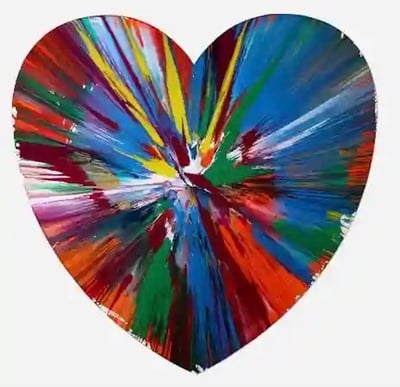
Damien Hirst
Heart Spin Painting (Blue, red, yellow), 2009
Painting
Acrylic on paper
Inquire For Price
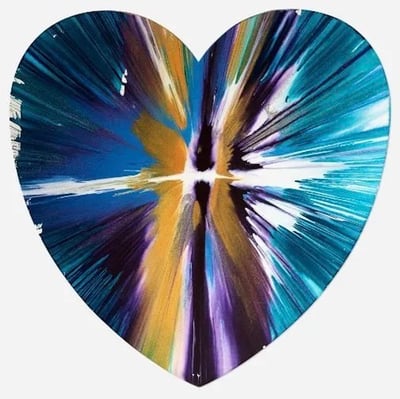
Damien Hirst
Heart Spin Painting (Teal, gold, purple), 2009
Painting
Acrylic on paper
Inquire For Price

Red Grooms
Gertrude Stein, 1975
Sculpture / Object
Mixed Media
Currently Not Available
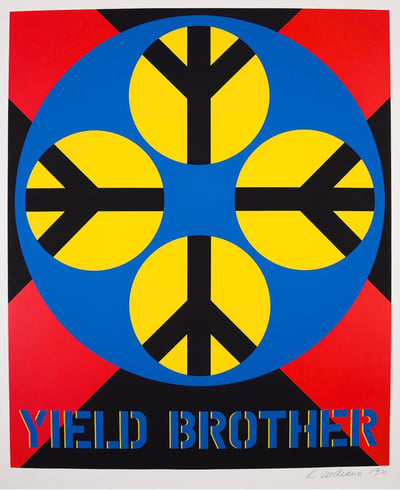
Robert Indiana
Yield Brother, 1971
Limited Edition Print
Screen-print
USD 2,500
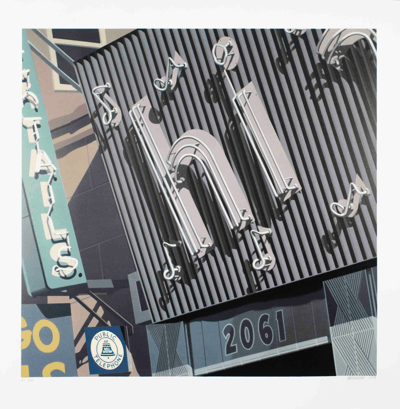
Robert Cottingham
Hi, 2009
Limited Edition Print
Silkscreen
USD 1,350
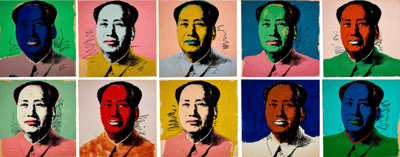
Andy Warhol
Mao (Complete Suite) (F. & S. 90-99), 1972
Limited Edition Print
Silkscreen
Currently Not Available
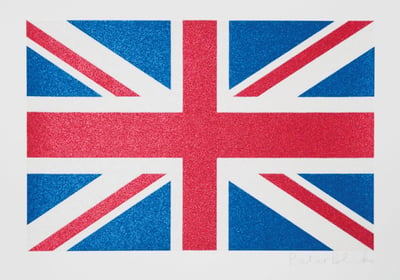
Peter Blake
Small Union Flag, 2016
Limited Edition Print
Screen-print
GBP 2,700
Related Articles
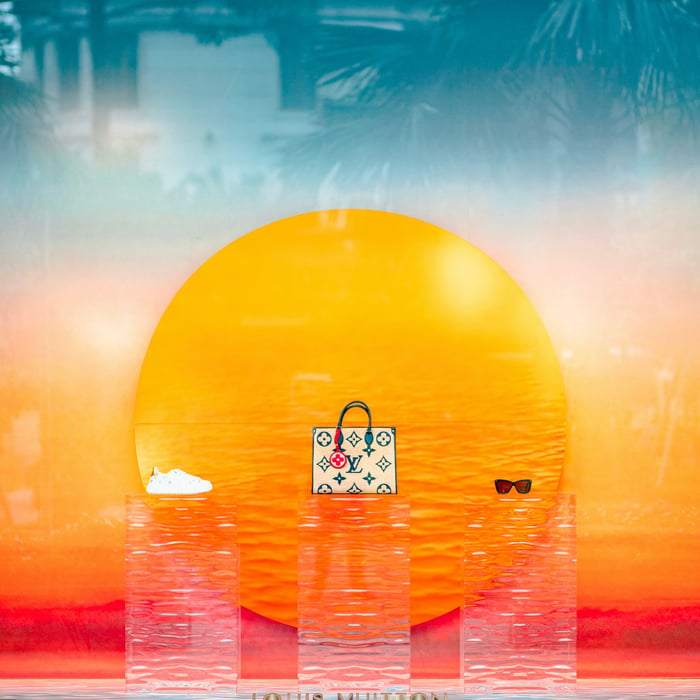


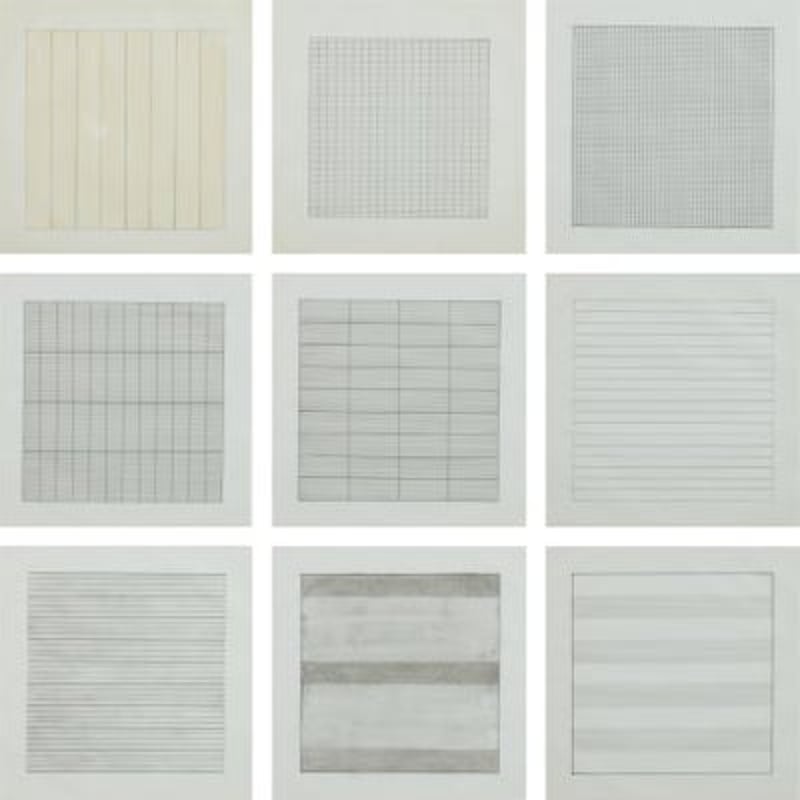
A portfolio is a collection of artworks or images assembled in a folder or digital format for storage or display. Artists often compile portfolios to showcase their work, either thematically related or varied, to present to potential clients, galleries, or institutions. Portfolios are essential tools for artists to demonstrate their skills and artistic development.
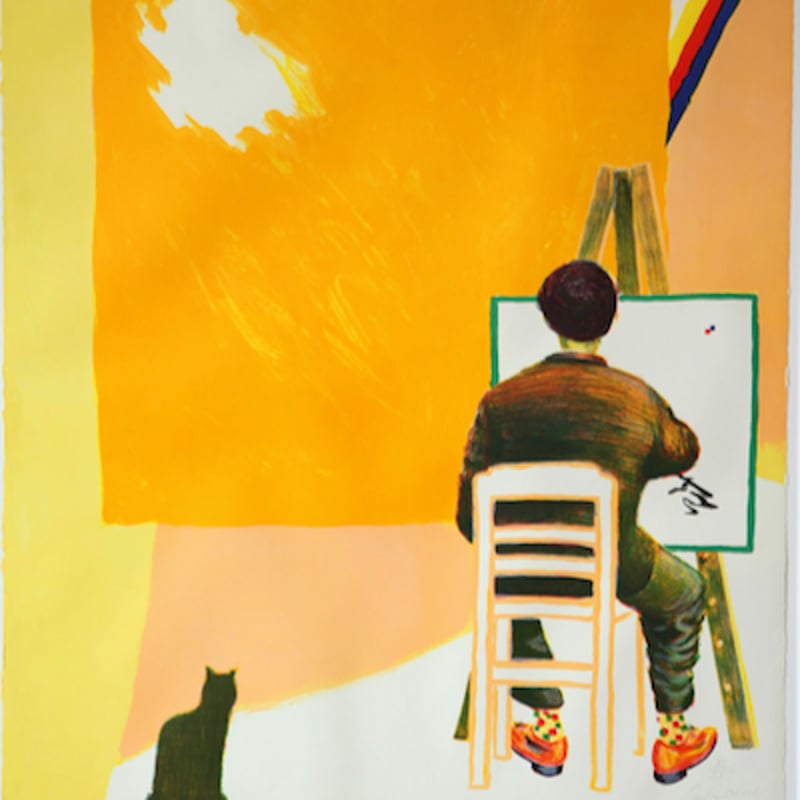
Neo-Figurative Art is a collective term that refers to the revival of figurative art in America and Europe during the 1960s, following a period dominated by abstraction. Michel Ragon, a French art critic, argued that this resurgence of figuration occurred during a critical time of social and political upheaval in both regions.

A found object is a term used to describe a man-made or natural object, or a fragment of one, that an artist discovers or purchases and keeps for inspiration or as a work of art. The artist may also modify the object or incorporate it into a collage or assemblage, transforming it into a new piece of art.
Can't find your Answer?
Thank you! Your question has been sent — we'll get back to you shortly.
