

What is pop-art?
- Show All
- Established
- Discoveries
- Show All
Artworks Related to Pop art
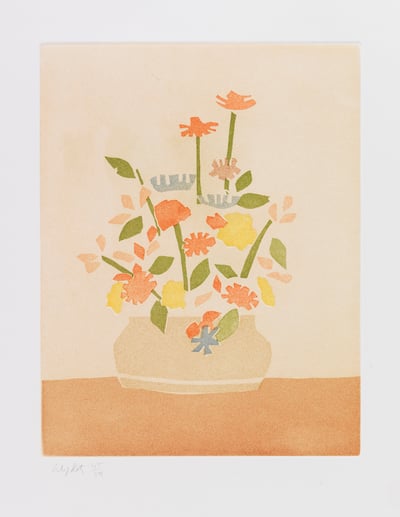
Alex Katz
Wildflowers in Vase, 2008
Limited Edition Print
Aquatint
EUR 4,870
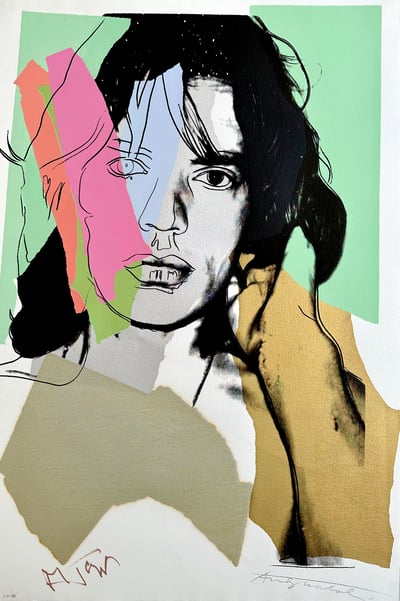
Andy Warhol
Mick Jagger #140, 1975
Limited Edition Print
Screen-print
Currently Not Available

Andy Warhol
Electric Chair (Retrospective Series), 1978
Limited Edition Print
Screen-print
USD 45,000 - 55,000

Ed Ruscha
Safe and Effective Medication, 2001
Limited Edition Print
Lithograph
Currently Not Available
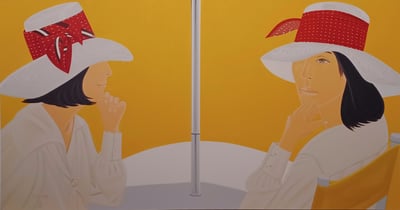
Alex Katz
The Red Band, 2017
Limited Edition Print
Silkscreen
EUR 30,000
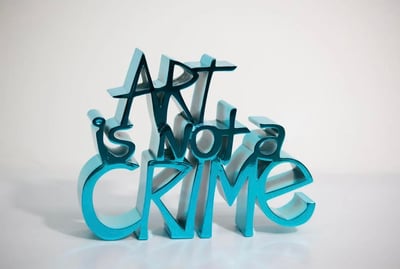
Mr. Brainwash
ART IS NOT A CRIME (Chrome Blue, 2021
Sculpture / Object
Acrylic sculpture
USD 1,790

Robert Rauschenberg
Untitled (Native American with Truck), 2000
Limited Edition Print
Pigment print
EUR 2,850
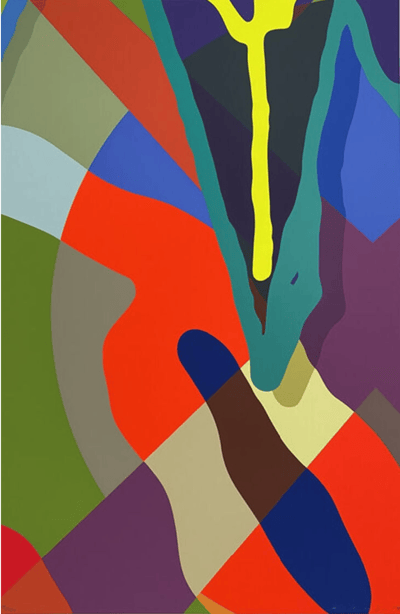
KAWS
Tension No. 6, 2019
Limited Edition Print
Screen-print
USD 11,350
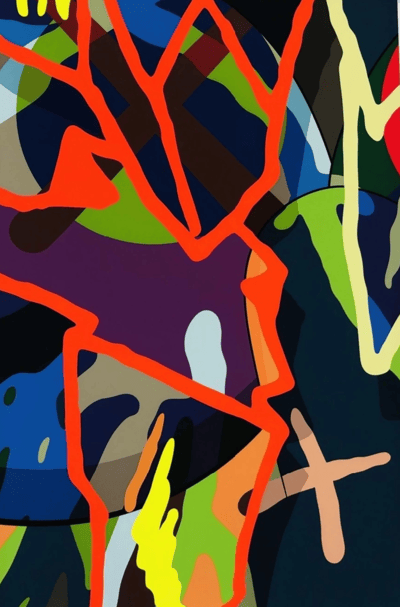
KAWS
Tension No. 3, 2019
Limited Edition Print
Screen-print
USD 11,350
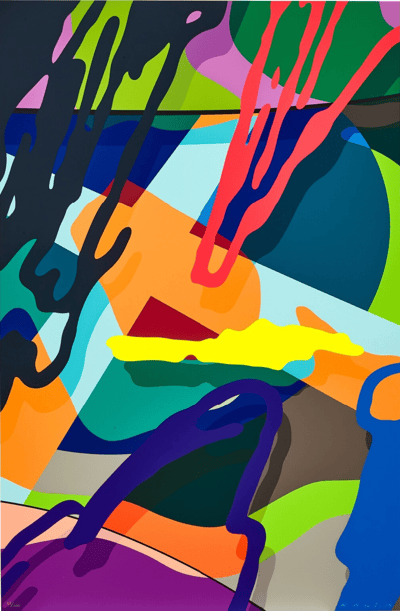
KAWS
Tension No. 2, 2019
Limited Edition Print
Screen-print
USD 11,350
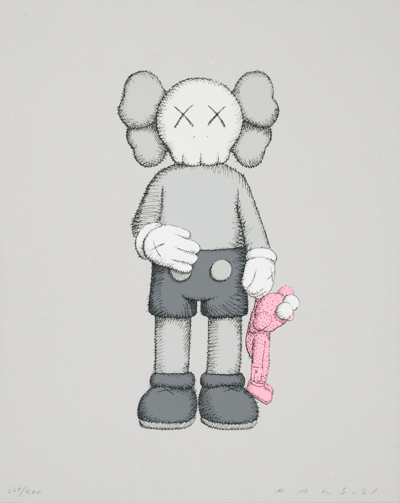
KAWS
Share, 2021
Limited Edition Print
Screen-print
USD 8,350
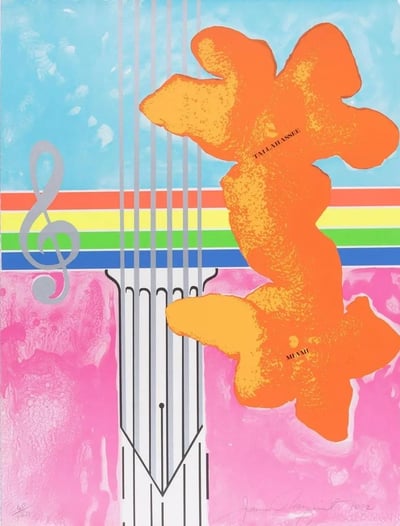
James Rosenquist
The World Art Festival, 1982
Limited Edition Print
Lithograph
Currently Not Available
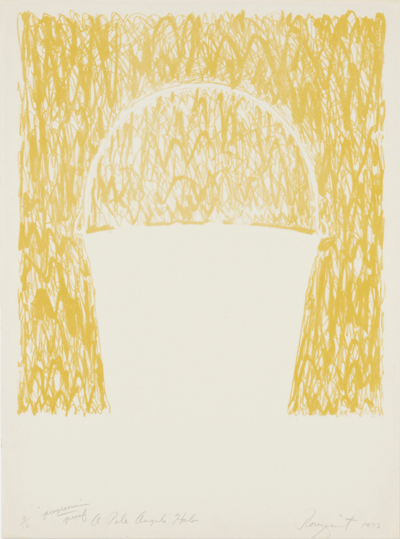
James Rosenquist
A Pale Angels Halo (Yellow), 1973
Limited Edition Print
Lithograph
USD 1,200
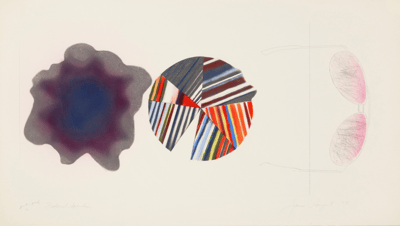
James Rosenquist
Federal Spending, 1978
Limited Edition Print
Etching and Aquatint
Inquire For Price
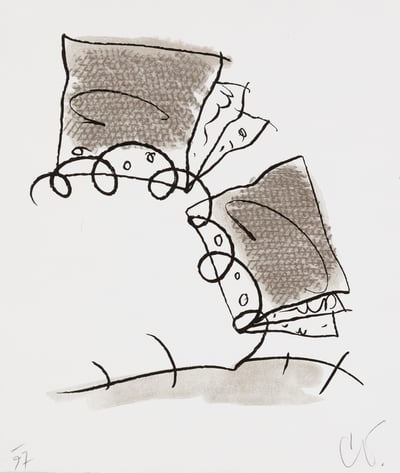
Claes Oldenburg
Notebook Torn in Half , 1997
Limited Edition Print
Lithograph
USD 1,100

Claes Oldenburg
Sketch for a Sculpture in the Form of a Dress Collar and Tie, with Stud, 1994
Limited Edition Print
Lithograph
Inquire For Price
Related Articles



Transavanguardia is the Italian version of Neo-Expressionism, referring to an art movement that emerged in Italy and other parts of Western Europe during the 1970s and 1980s. The term translates to beyond the avant-garde. Transavanguardia arose as a reaction against the dominance of conceptual art, reintroducing emotion and reviving painting as a primary medium. The movement marked a return to mythic imagery and figurative art, celebrating a rediscovery of traditional forms and themes in a contemporary context.

Provenance refers to the chronology of ownership, location, or custody of an artwork. Tracing an object's provenance helps establish its authenticity and historical context by documenting its ownership history, storage locations, and custody over time. This process often involves expert opinions, comparative analysis, and scientific testing to provide evidence of the artwork’s origin and history.

Young British Artists (YBAs), also known as Britart or Brit artists, refers to a group of artists who began exhibiting together in London in 1988. Most of them graduated from the BA Fine Arts course at Goldsmiths in the late 1980s. The YBAs are known for their wild lifestyles, use of unconventional materials, and a combination of entrepreneurial and oppositional attitudes. They dominated the British art scene in the 1990s and gained significant media attention. Many of these artists were initially supported and collected by Charles Saatchi, a key figure in their rise to prominence.
Can't find your Answer?
Thank you! Your question has been sent — we'll get back to you shortly.
