

What is pop-art?
- Show All
- Established
- Discoveries
- Show All
Artworks Related to Pop art
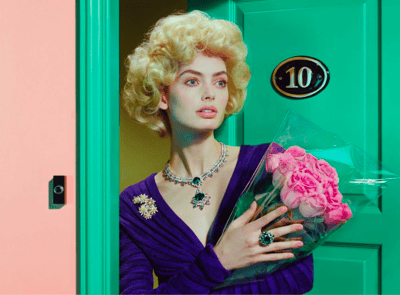
Miles Aldridge
Doors #1, 2023
Limited Edition Print
Screen-print
Currently Not Available
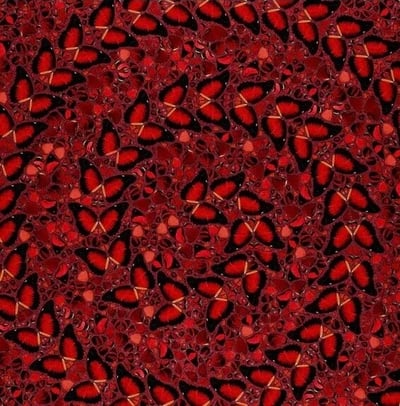
Damien Hirst
The Empresses (H10-5 Taytu Betul), 2022
Limited Edition Print
Mixed Media
GBP 4,250
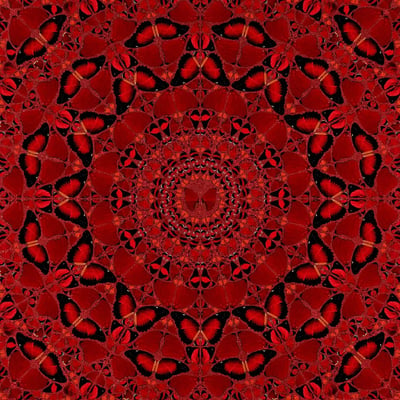
Damien Hirst
The Empresses (H10-4 Suiko), 2022
Limited Edition Print
Mixed Media
GBP 4,250
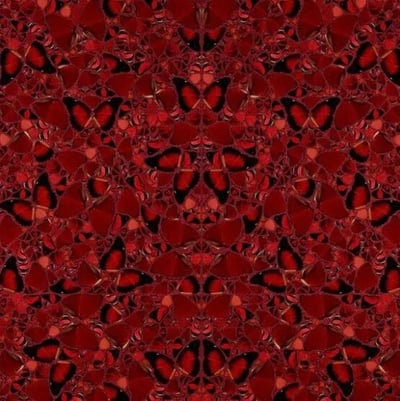
Damien Hirst
The Empresses (H10-3 Theodora), 2022
Limited Edition Print
Mixed Media
GBP 4,250
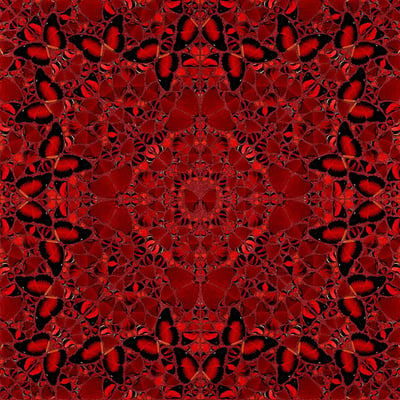
Damien Hirst
The Empresses (H10-2 Nur Jahan), 2022
Limited Edition Print
Mixed Media
GBP 2,340
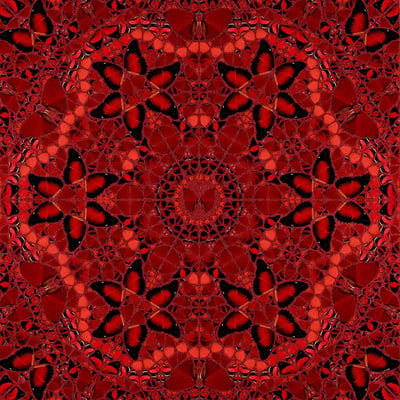
Damien Hirst
The Empresses (H10-1 Wu Zetian), 2022
Limited Edition Print
Mixed Media
GBP 4,250
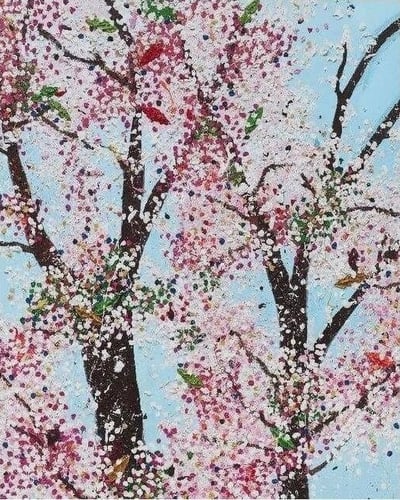
Damien Hirst
The Virtues (H9-5 Honesty), 2021
Limited Edition Print
Mixed Media
GBP 17,500
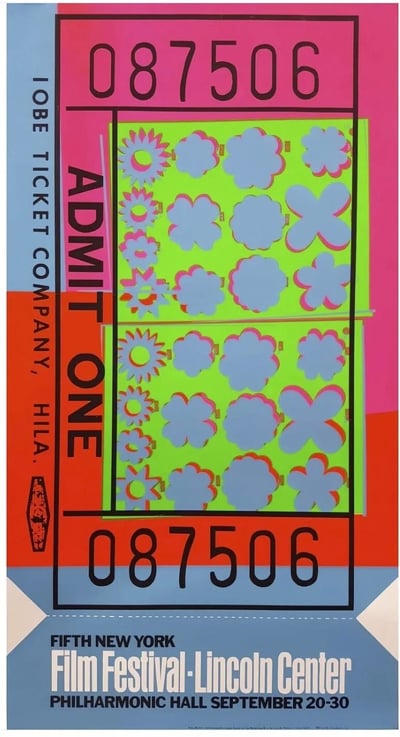
Andy Warhol
Lincoln Centre Ticket, 1967
Limited Edition Print
Screen-print
GBP 12,500

Andy Warhol
Speed Skater (FS II.303) (from Art and Sports Portfolio), 1983
Limited Edition Print
Screen-print
GBP 50,000 - 60,000
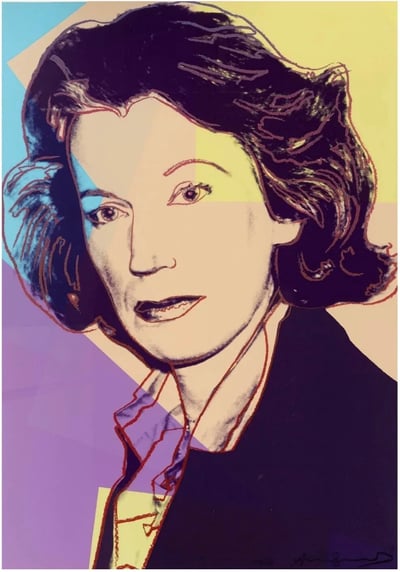
Andy Warhol
Mildred Scheel , 1980
Limited Edition Print
Silkscreen
Inquire For Price
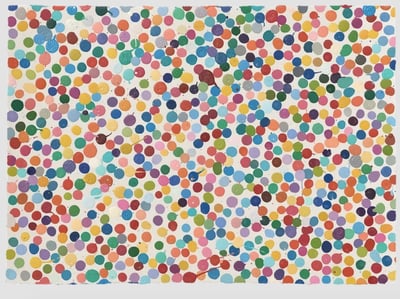
Damien Hirst
I still got it (The currency - 1399), 2021
Limited Edition Print
Mixed Media
GBP 9,500
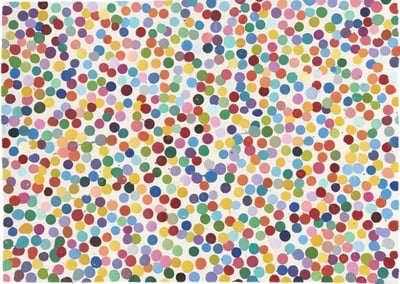
Damien Hirst
Any chance I can get (The currency - 9231), 2021
Limited Edition Print
Mixed Media
GBP 9,500
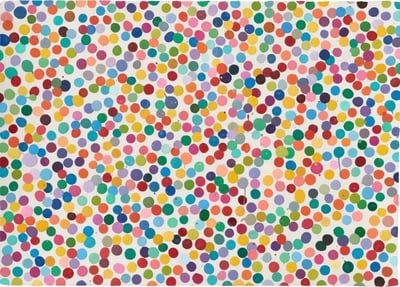
Damien Hirst
An incongruous destiny (The currency - 7491), 2021
Limited Edition Print
Mixed Media
Inquire For Price
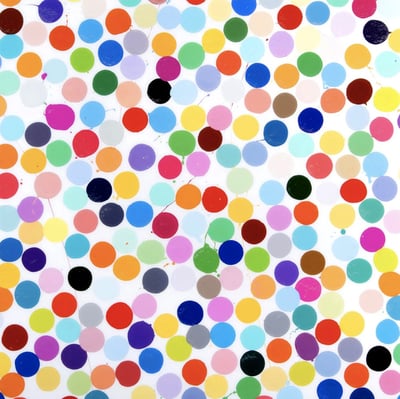
Damien Hirst
Claridges, 2018
Limited Edition Print
Giclée printing
GBP 17,200
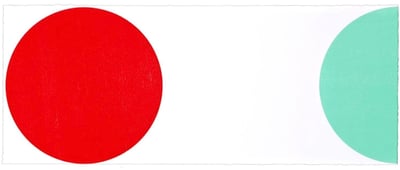
Damien Hirst
Piccolinic Acid, 2011
Limited Edition Print
Woodcut
GBP 12,700
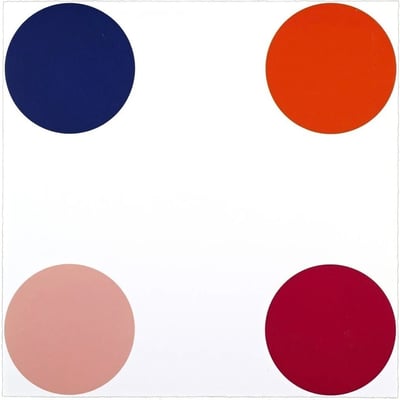
Damien Hirst
Carbonyl Iron, 2011
Limited Edition Print
Woodcut
GBP 20,000 - 30,000
Related Articles


Bronze is a metal alloy made primarily of copper and tin, with a typical modern composition of 88% copper and 12% tin. Over time, bronze develops a patina, a surface color that often turns deep green due to oxidation. Large bronze objects, such as sculptures, are typically made in foundries. Bronze is valued for its durability and has been widely used throughout history for art, tools, and weapons.

Clay is a natural material formed when rocks break down over time due to weathering. Water carries the fine particles of earth, which accumulate as a soft, sticky substance called muck. This muck is collected, cleaned, and refined by removing impurities like rocks and adding sand to improve its texture, resulting in usable clay.

Grupo Frente was a movement founded in 1954 in Brazil by teaching artist Ivan Serpa. The movement included many students from the Rio de Janeiro Museum of Modern Art and sought to reject the nationalism and figuration present in the modernist forms of Brazilian painting. Grupo Frente emphasized experimentation and abstraction, aiming to explore new artistic possibilities beyond traditional constraints.
Can't find your Answer?
Thank you! Your question has been sent — we'll get back to you shortly.
